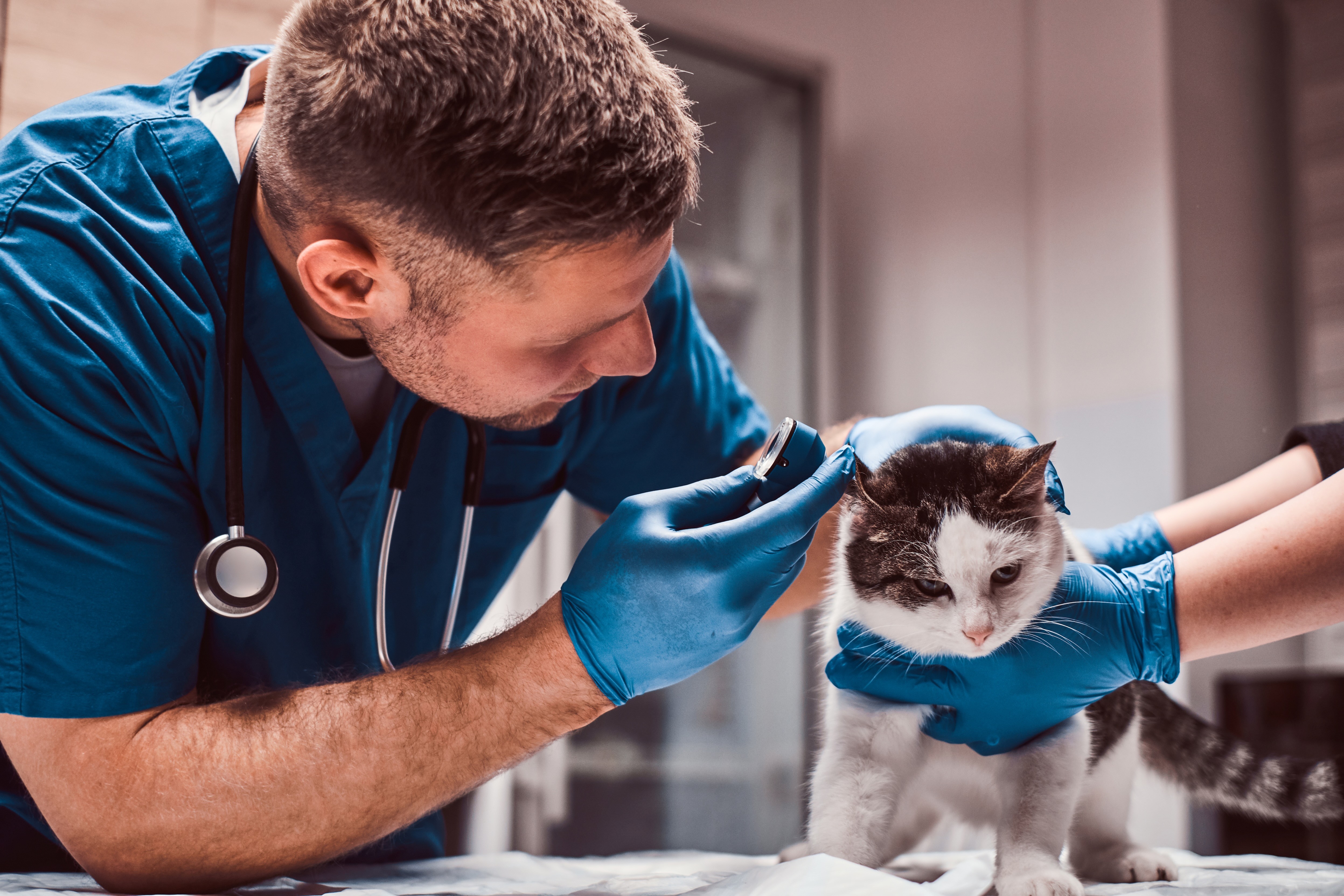
Are you a team member in a veterinary practice?
Are you a pet parent planning a trip with your furry pal?
How to Create a Checklist for Pet Travel
Your phone rings on a Tuesday. A client is flying to Lisbon in nine weeks with a nine-year-old beagle, and she wants to know exactly what to do. You know the shape of the answer: microchip, rabies, maybe a titer, a health certificate, possibly a government endorsement. What you don't have is a way to prove the order is right, the dates line up, and nothing slipped through.
That gap is where most pet travel paperwork fails. Not because someone forgot that vaccines exist, but because a document was completed in the wrong sequence or a lab result arrived after the window closed. Knowing how to create a checklist that holds order, timing, and proof is the difference between a tidy list and a working one.
How to Build the Checklist in Eight Moves
Many people start by listing everything they can remember. That produces a long document and a short memory of what really matters. Aviation has run this problem for decades. The FAA advisory circular on checklist design treats a checklist as an operational control rather than a reminder, and it asks for lines that stay readable under stress, carry enough instruction to act on, and help the user confirm they picked the right list.
You can finish a working draft in one sitting. Here are eight moves, in order.
Name the failure you're stopping. Write it in one sentence. A packet that's complete but out of order is a real failure. Someone forgetting the whole process almost never happens.
Map the path. Start at the trigger, which is usually a booked trip, and end at the handoff on departure day. Write the route in the order the work happens in practice, not the order the rules are published in.
Mark the checkpoints. Flag the steps that are easy to forget, expensive to miss, or stuck behind another step. Those earn a line. Everything else can live in a note.
Give every line one owner. A name, not a team. If two people could own it, one of them won't.
Write one observable action per line. "Handle paperwork" isn't a step. "Assemble the health certificate and its attachments" is.
Say what evidence closes the line. A signed form, a lab report, a sent message. Evidence is what makes a tick mean something.
Group lines into phases. Intake, destination rules, vaccines and tests, exam and forms, endorsement, owner handoff. Phases keep a long list usable on a bad day.
Pilot the draft on one case. Run it against a live trip or a recent one before anyone else uses it. Expect two or three lines to be wrong.
Trips with a stop in another country, or a destination that asks for a titer, don't need a longer list. They need a short if-then note. If the destination asks for a titer, insert the lab line and its wait. If it doesn't, skip past it.
The last line should close, not open. Every required file reviewed, names and chip numbers matched, copies stored, and the owner told what to carry. A list that ends on a fresh task leaves the next person guessing whether the case is finished.
Start from a blank six-column sheet: step, owner, prerequisite, due date, proof, done box. Paper is fine for a single trip. A shared spreadsheet works better for a clinic, because two people can update it without a phone call. Either way, a line with no owner and no date is a wish.

If you'd rather the list lived in a form than a spreadsheet, you can build logic-driven forms with Kiwiform, where a branch depends on the answer given instead of on someone's memory. The draft is now ready to test, not finished. And when you want to know what the documents themselves must contain, the guide to pet travel documentation requirements lays out the fields officials look at.
What Every Checklist Line Should Carry
A coordinator had vaccination, health certificate, and endorsement written on her list, in that order, all ticked a week before departure. The trip still fell apart. The microchip had been scanned after the rabies shot, and the endorsement window closed while the packet sat waiting for a corrected page.
More lines wouldn't have saved it. The list was complete and still wrong, because it carried no order and no time. The USDA APHIS pet travel process overview recommends building a schedule, for a plain reason: requirements have to be completed inside precise windows, and they change depending on the destination and any country the pet passes through.
Six fields that turn a line into an instruction
Action. One visible step. Scan the microchip and write the number down.
Prerequisite. What has to be true already. A readable chip before the rabies vaccine, when the destination wants the chip first.
Valid date window. The earliest and latest date the step is useful, including any wait after a vaccine or a lab test.
Evidence. The file that proves the line. A certificate whose chip number matches the pet.
Owner. The one person who may mark it done.
Latest safe date. Earlier than the official cutoff, so a wrong name or a missing page can still be fixed.
Open a blank six-column sheet and fill one line for your next trip before you add a second. That first line tells you whether the format holds up. Do it for the microchip step, since that number follows the pet through every later document.
Countries, and any country the pet transits, set their own timing. Treat these windows as planning aids rather than a promise of entry. Keep the scans somewhere you can reach at 11pm, which is why storing travel documents safely matters as much as the list.
A Pet Travel Checklist With Real Timing
Take one dog, one international trip, and a possible stop in another country. That's enough to show why the work splits into stages. A staged format makes missing documents visible earlier, because intake risks differ from exam risks and exam risks differ from the final handoff. The WHO guidance on safe surgery and checklists traces the evidence: across eight hospitals and nearly 7,700 operations, a checklist was associated with complications falling from 11.0% to 7.0% and mortality from 1.5% to 0.8%. The mechanism isn't surgery specific. Prerequisites get named, owners get assigned, deadlines get checked, and one confirmation closes the case.
Here is the same logic applied to the dog.
Phase | Action | Prerequisite | Timing note | Evidence |
|---|---|---|---|---|
Intake | Confirm destination, transit countries, dates, and pet | Trip is planned | Before any vaccine or exam slot is booked | Written route and dates |
Identification | Scan the microchip and record the number | Chip implanted | Before a rabies vaccine if the destination wants the chip first | Readable chip number |
Health | Confirm rabies and other requested vaccines | ID recorded | Include any wait after the shot | Certificate matching the chip |
Labs | Order a titer or other test only if this route needs it | Required vaccines done | Lab time plus any extra waiting rule | Lab report |
Exam | Book the health-certificate exam | Vaccines and labs in window | Close to travel but inside the published exam window | Exam notes |
Forms | Complete the health certificate | Exam finished | Inside the form's valid period | Draft certificate |
Endorsement | Prepare the packet for government endorsement if required | Forms and attachments match | Latest safe date several days before the window closes | Submission receipt |
Handoff | Give the owner copies and say what to carry | Prior lines closed | Before departure | Shared packet and send note |
A checked box is not the same as a matched chip number.
Read the table for the sequencing choices it can't explain on its own. Intake sits first because a destination change resets everything downstream, and booking an exam slot before you know the transit country is how people lose a fee. Labs appear only when the route calls for them, and that line carries the lab turnaround plus any waiting rule, which is often the longest stretch in the whole plan. Forms come after the exam, never before, because the certificate is built from the exam findings.
The endorsement line deserves its own date rather than the official cutoff. Give it several days of slack so a misspelled name or a missing attachment can be corrected.
Health and paperwork both matter, and preventive care guidance from Pure Paw Labs covers the routine checks that belong before any of this starts. Submission windows also close on their own schedule, so it's worth reading about common application deadlines before you pick a send date.
Re-read the official country pages when a rule changes. Treat this sample as a pattern to copy, not as permission to travel.
Test the Checklist Before You Rely on It
A checklist can look clear on a quiet day and still fail during a busy clinic shift. Test it in the conditions people will use it. The human-factors review of checklist use in critical care supports treating a checklist as a working tool that needs testing, not a document to write once and file away.
Six checks before the team adopts it
Walk through it with two people. Choose one person who knows the route and one who does not. Notice which lines rely on knowledge the second person may not have.
Try cases with complications. Include a rushed departure, two pets on one booking, a transit country, a missing lab page, and a recently changed form.
Check understanding. Can each person find the line, understand the action, and name the proof it requires without help? If not, rewrite the line.
Record failures. Note missed steps, boxes checked without a file attached, delays, workarounds, and questions people had to ask.
Fix the cause. Often, the wording, order, or a missing if-then branch is the problem, rather than the person using the checklist.
Track changes. When a country requirement changes, identify open cases and recheck the affected tasks.
After the pilot, track missed steps, rework, time to finish a case, and escalations to a manager. Remove reminders that do not help people act. A row of ticks alone does not show whether the work is complete.
A checked box is not proof by itself. Open the file behind each tick. Confirm that it exists, matches the pet, and comes from the right source.
After launch, check whether evidence is in the folder, whether a conditional task was skipped because it looked optional, and whether a rule change reached every open case.

Pilot the checklist on upcoming trips, with the person responsible for each task doing the work. Keep a copy of the country requirements used for each case. That record helps distinguish a checklist gap from a rule change.
Building country-specific branches by hand can take time. Passpaw's rules engine reads each client's destination, travel dates, and pet details, then builds requirements, sequencing, and due dates. Pet owners can also try the Travel Prep Planner.
Before submission, users must independently confirm that pet, owner, and travel information is accurate, including checking that the microchip can be read. A clear document validation process helps teams check that uploaded records match the information entered. The checklist organizes the work, while current official instructions guide decisions about the destination's requirements.
Wording and Order Mistakes That Cause Misses
Some habits look tidy and still fail. The WHO guidance behind effective checklists explains the mechanism, describing error trapping as the way a list reduces reliance on memory. It also names what causes the errors in the first place: high workload, thin experience, poor design, weak supervision, stress, fatigue, boredom, and rapid change.
That list of causes points at specific writing habits. Vague verbs hide who acts and what done means. Background notes jammed into an action line get skipped. A missing owner means whoever is nearest inherits the job. A missing due date lets a valid document arrive too late. One line bundling chip, vaccine, exam, and stamp hides the order. Critical checks buried at the bottom get skipped on a busy morning. A static list turns misleading the moment a form or country rule changes.

Weak line | Why it fails | Rewrite | Proof to keep |
|---|---|---|---|
Handle paperwork | Verb hides who acts and what done means | Assemble the health certificate and attachments, owner: coordinator | Signed form in file |
Confirm vaccines | No date window or owner | Compare rabies certificate date and chip number with the destination window, owner: coordinator | Certificate file |
Submit paperwork | No deadline, so a valid document can arrive late | Send named attachments inside the endorsement window, owner: coordinator | Submission receipt |
Chip, vaccine, exam, and stamp in one line | Hides the order | Split into one line per action, each with its prerequisite | Dated record per line |
Put a short readiness block at the top of the page: destination page open, correct form version, pet ID, supplies on hand. Put a completion block at the end: dates, names, chip number, signatures, and attachments all match the source records, then a clear done signal so the next person knows the case is closed.
A checklist should stay fur-real. Concrete enough to catch a blank page before the clock runs out, and short enough that someone reads it.
When a destination, a travel date, or a pet detail changes, the whole requirement chain can shift with it, and that's exactly the part Passpaw automates for veterinary practices and pet owners who would rather not rebuild the plan by hand. The platform keeps track of country requirements, adjusts tasks when they change, and validates uploaded documents against the destination's current rules. Visit Passpaw to see how the checklist builds itself around each trip.

More articles
From regulatory changes to best practices for veterinarians and pet owners, our resources keep you ahead of the curve.