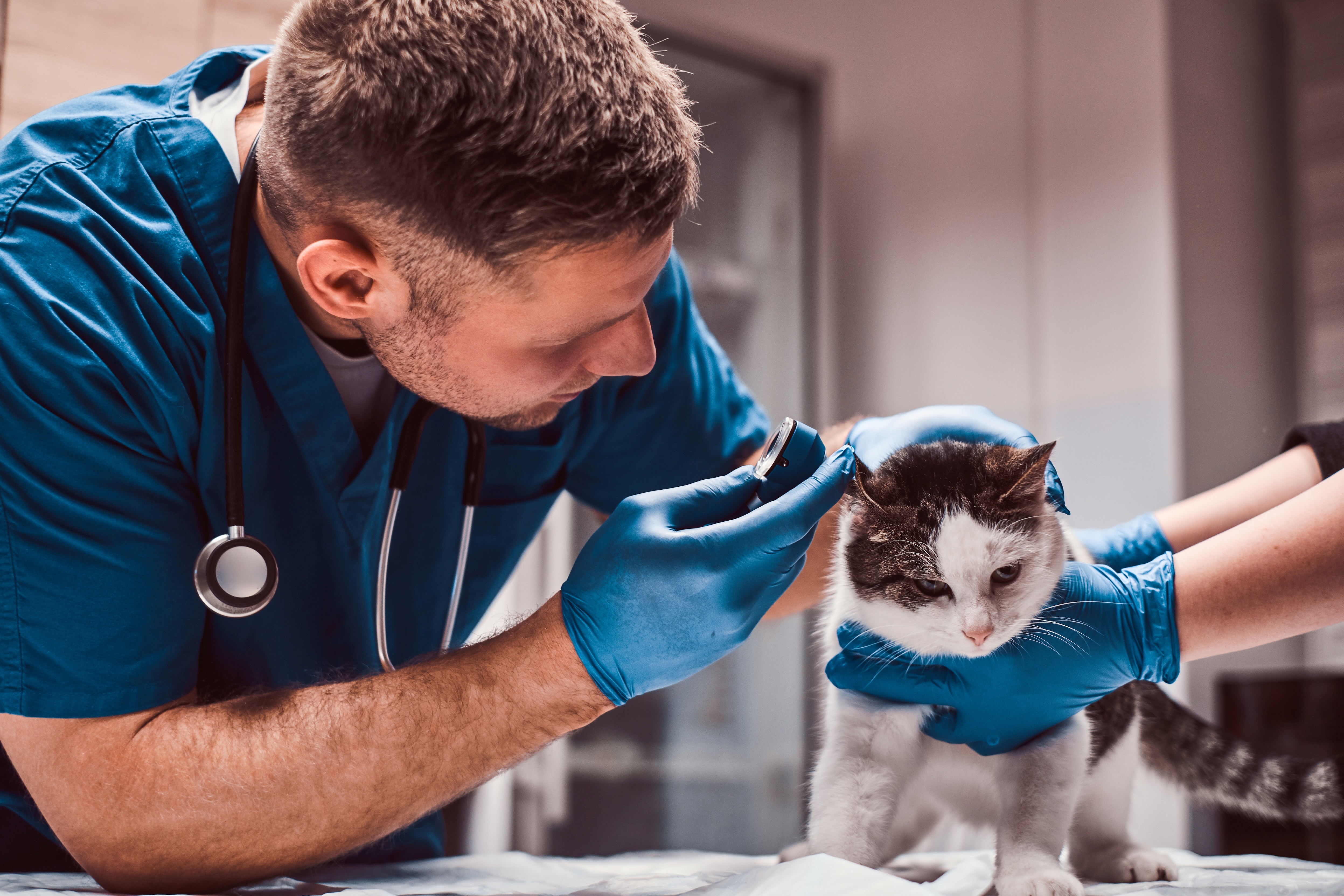
Are you a team member in a veterinary practice?
Are you a pet parent planning a trip with your furry pal?
Documentation Panels in Pet Travel: A Friendly Guide
Maya thought she had everything lined up for Biscuit's first trip abroad. The passport was in her bag, the vaccination booklet was on the counter, the airline checklist was printed twice, and the vet's emails were open in three different tabs. Then she had to find the USDA form, confirm one lab result, and remember which message held the final travel date. That's the moment many pet owners feel the paperwork turn into a circus, and it's exactly where a documentation panel starts to feel like a lifesaver, with less barking and more breathing room.
When Pet Travel Paperwork Starts to Feel Like a Circus
Maya's problem wasn't that she lacked documents. She had too many places to look, and none of them told the full story by themselves. One email had the latest question from the clinic. Another thread had a photo of a signed form. A third had the flight date, buried below a “quick question” about a vaccine.
That kind of mess is common in pet travel. Paperwork lives in inboxes, shared drives, text messages, and printed packets, so the important details can get out of sync fast. A travel case needs more than a pile of files, it needs a way to keep the whole tale in one spot, tails and all.
Practical rule: If a team has to hunt across several places to answer one travel question, the workflow is already working too hard.
A documentation panel gives that scattered work a single home. Instead of treating each file like a separate item, it gathers the parts of the case into one reviewable record. That makes it much easier for a clinic team, a travel agency, or a worried owner to see what's done, what's pending, and what still needs a careful paw on the brake.
What Documentation Panels Mean in Pet Travel
In pet travel, a documentation panel is a structured record of a case, not just a folder of uploads. The idea comes from education, where panels are used to make learning visible through photos, notes, artifacts, and transcribed conversation, and the same logic fits a travel case very well. The panel should show what happened, how it happened, and what still needs attention, rather than acting like a decorative storage bin. Passpaw's travel documents guide uses a similar practical framing for the paperwork side of the process.
What usually belongs in the panel
A strong pet travel panel usually holds a few core pieces side by side:
Compliance records, such as destination requirements and destination-specific paperwork.
Health certificates, signed forms, lab results, and vaccination records.
Travel itinerary details, including travel dates and timing-sensitive tasks.
Those parts work best when they're organized in a way that makes the case easy to scan. That means keeping the timeline clear, placing the most important supporting items where they're easy to see, and pairing each document with a note about why it matters. In clinics, that often feels a lot like a well-set-up chart, except the chart is shared with the pet owner too.
For teams comparing software and automation tools, document automation picks from Magnitude Marketing can be a useful read because it helps people think about how documents move from one step to the next.
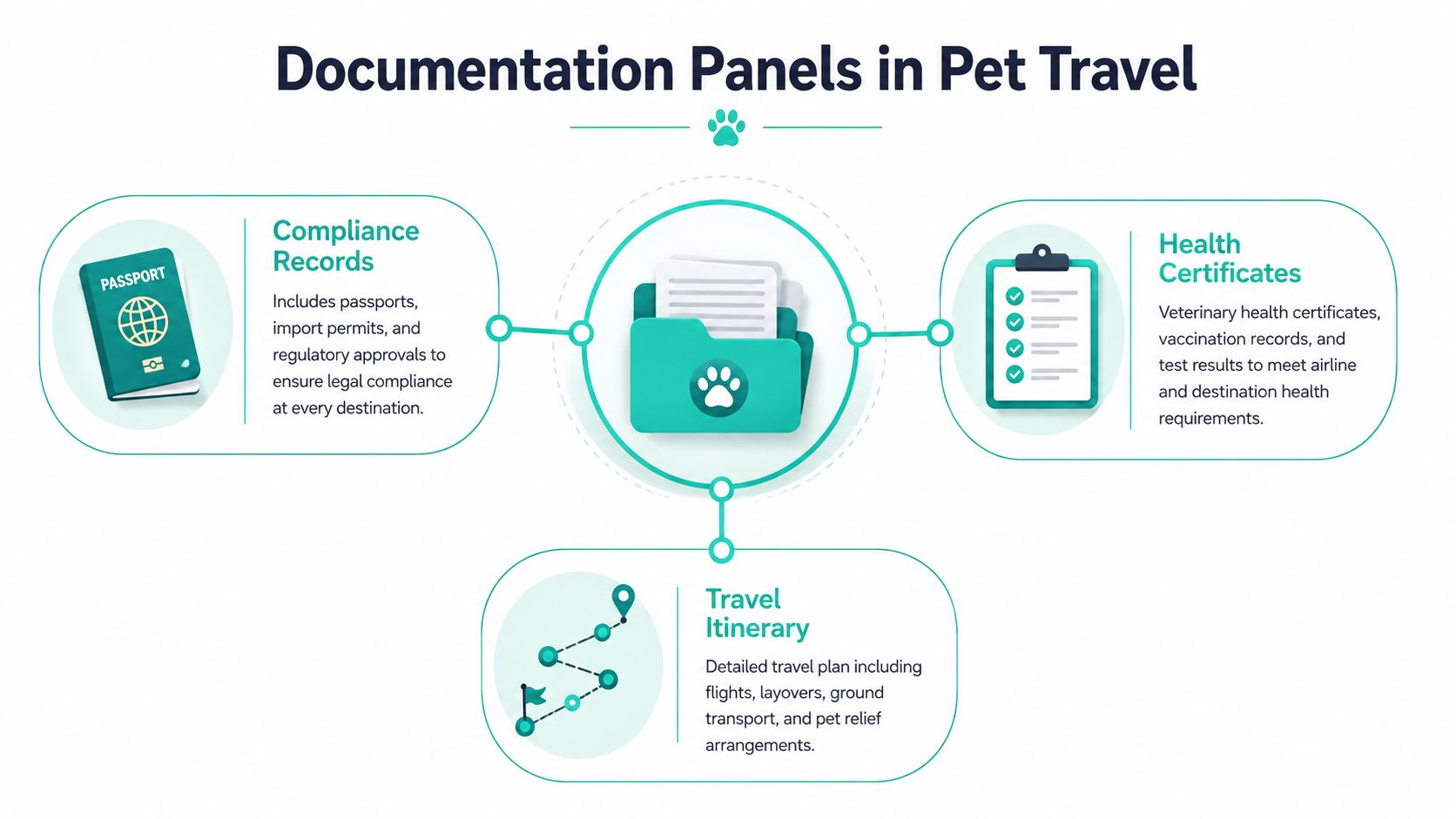
In a platform like Passpaw, that same structure becomes a living case workspace. Documents, requirements, deadlines, pet details, and notes sit together so the team doesn't have to piece the story together from scratch each time. If a file cabinet is a kennel full of separate crates, a documentation panel is the leash, the labels, and the walk route in one place.
Why Structured Panels Matter for Travel Compliance
Scattered paperwork causes predictable problems. A duplicate copy gets edited while the original sits untouched. A signed certificate gets buried in email. A deadline slips because the team looked at the wrong thread. None of those issues needs a dramatic failure to create stress, they just need a busy day and one missing detail.
Structured panels reduce that friction by putting the most useful items first. They also make it easier to keep a tidy history of updates, which matters when a travel case changes shape over time. A clinic can see what was uploaded, when it was reviewed, and what still needs action without sorting through old messages.
What structure helps prevent
A clear panel helps teams avoid a few common trouble spots:
Missed endorsements, because the current status is visible.
Outdated lab results, because documents are grouped with the case timeline.
Late surprises, because upcoming tasks stand out before the travel date.
Confused handoffs, because everyone sees the same working record.
That's especially useful when record keeping needs to stay organized in one place, as discussed in Passpaw's veterinary record keeping guide. The point isn't to make paperwork pretty. It's to make it usable when time is short and the stakes feel big.
A strong panel answers one question fast, what's left to do, and it does it without making anyone dig.
The best panels also support judgment. A vet can decide whether a case is ready to move forward. A pet owner can tell whether they need to upload one more document or just wait for review. That clarity cuts down on frantic checking, which is often the main pain point in pet travel.
How Vets and Pet Owners Use the Same Panel
A shared panel works because both sides need the same facts, just through different lenses. In a clinic, that means one place to see destination rules, intake details, and the next task on the list. For the pet owner, it means plain updates, clear requests, and a simple way to add what is still missing. When the same record supports both views, the case feels less like scattered paperwork and more like one neat file, with the vet team and the client reading from the same page.
The veterinarian workflow
A clinic usually begins by checking the destination requirements and comparing them with what the owner has already sent. From there, staff upload signed certificates, add notes, and mark each step as complete as the case progresses. If a lab test is needed, that request belongs in the panel too, so the next person on shift can see it at a glance instead of guessing where things stand.
A documentation specialist often keeps that flow tidy by checking whether the case files are complete and readable before the next step moves ahead. A documentation specialist is the person who helps keep the record organized, so the panel still tells one clear story instead of a pile of loose notes.
The pet owner workflow
The owner's side should feel straightforward. They get a request, upload a vaccination record or other document, and then watch the case progress in one place. If something is still missing, they can see it without sending another “just checking in” email.
That shared workspace matters because it turns a private clinic process into a record both sides can review. The owner sees the parts of the panel that shape their next action, and the clinic sees the same status without having to restate it in every message. Fewer surprises, fewer duplicate uploads, fewer “Did you get my email?” moments. That is the quiet win.
When both sides work from the same panel, the case has one source of truth. No drama, no guesswork, just a tidy path from checklist to departure.
The Classroom Roots of a Modern Vet Tool
Documentation panels didn't begin in pet travel. In Reggio Emilia-inspired education, panels were developed as structured records that show both what happened and how it happened, with photos, notes, artifacts, and children's words arranged so families and educators can follow the learning process. That tradition goes back to practitioner and research work from the early 2000s, and the central lesson still holds, a panel should make a process visible, not just display the finished result. One common guidance point is that viewers should be able to absorb the key message in roughly 5 to 10 minutes as described in Making Learning Visible guidance.
The same idea fits a travel case beautifully. A clinic doesn't just need the final signed form, it needs the supporting trail that explains how the case reached that point. A timeline, a few critical artifacts, and short notes can tell that story far better than a stack of loose files.

That is why the strongest digital panels borrow a classroom habit without feeling academic. They keep the order clear, they select only the artifacts that help interpretation, and they invite review instead of passive storage. Passpaw uses that same logic in a travel workflow, where the case record stays readable and the next step stays easy to find.
Benefits That Make Life Easier for Every Team
A good panel doesn't just help the person building it. It helps the entire circle around the case, including front-desk staff, veterinarians, travel partners, and pet owners. The gain shows up in small, practical ways that make the day feel less slippery.
What changes in daily work
New staff learn faster. A clear panel shows the case history without asking someone to decode a maze of emails.
Handoffs get smoother. The next team member can see what's done and what still needs attention.
Owners ask fewer repeat questions. They can check the panel instead of waiting for another call back.
Travel partners stay aligned. Shared visibility keeps everyone on the same page when timing matters.
The contrast with old tools is easy to feel. Email chains scatter context. Shared drives store files, but they rarely explain the order of the work. A panel ties the pieces together so the team can act, not just archive.
For teams thinking about how records move through a business, the SendItFax guide to document management is a useful companion read because it keeps the focus on handling documents with less friction.
A tidy panel also makes communication kinder. Instead of sending a message that sounds urgent because no one can find the latest file, the clinic can point to the exact place where the next action belongs. That keeps the tone calmer, and in pet travel, calmer is usually better for everyone, especially the pups.
Common Misconceptions Worth Shedding
People often assume a documentation panel is just a static checklist with nicer formatting. It isn't. The useful version changes as the case changes, which means it should be reviewed, updated, and trimmed when old material no longer helps.
Another common myth is that panels only matter in large, busy operations. Small clinics and solo owners benefit too, because the pain of scattered paperwork doesn't wait until a practice gets big. Even one travel case can become confusing if the details live in too many places.
A third misconception is that the goal is to look organized. The goal is shared understanding. A pretty panel that leaves the team guessing is still a loose leash.
If a panel no longer helps someone make the next decision, it's time to refresh it.
There's also a useful caution from practitioner guidance, panels can turn into wall wallpaper if they stop inviting review. In pet travel, the same thing can happen digitally when a case gets filled with stale attachments and no one checks whether the record still matches the plan. A panel earns its keep when people can use it, not when they can merely admire it.
Best Practices, Pitfalls, and Quick Fixes
Start with a clear case title. Keep the supporting items lean. Put the timeline where people can spot it fast. Those basics sound simple, but they save time when a team is moving quickly and a pet owner is waiting on the next step.
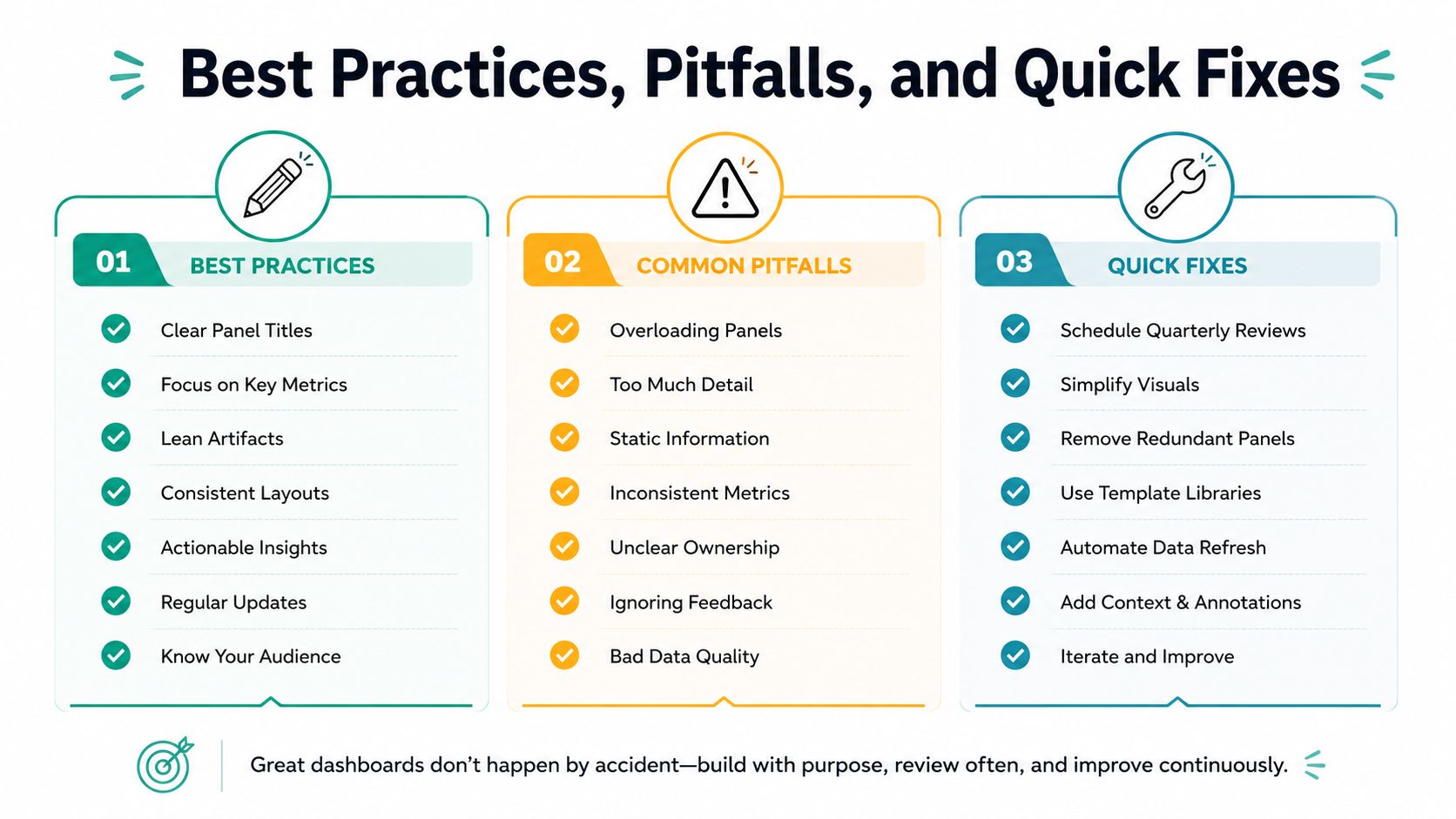
A quick clinic-friendly checklist
Best practices: Use clear titles, keep artifacts relevant, and place the most important document first.
Common pitfalls: Don't let old files pile up or hide deadlines inside chat history.
Quick fixes: Rebuild the panel when destination rules change, and reset the task order if a flight gets postponed.
If you're documenting cases the hard way, Passpaw's documentation guide is a practical place to compare your current process with a more structured one. The simple habit to keep is this, review the panel like a working chart, not like finished art.
A panel should help the next person act with confidence. When it does that, the paperwork feels less like a circus and more like a well-run clinic visit, with every file in its place and fewer surprise tricks up anyone's sleeve.
Passpaw helps veterinary teams keep pet travel paperwork in one structured place, with document tracking, task updates, and client communication tied to the same case. If your workflow still lives in email threads and scattered files, visit Passpaw to see how a clearer panel can make the next travel case easier to follow.

More articles
From regulatory changes to best practices for veterinarians and pet owners, our resources keep you ahead of the curve.