Are you a team member in a veterinary practice?
Are you a pet parent planning a trip with your furry pal?
Documentation Specialist Role for Pet Travel Teams
The phone rings while a wellness visit is still on the table. A client needs an international health certificate, the travel date is close, and someone on the team has to check destination rules, vaccine timing, microchip details, and endorsement steps without letting the routine appointments slide. That's the kind of day that makes a documentation specialist feel less like a nice-to-have and more like the person keeping the paperwork leash short and the whole workflow from going sideways.
For veterinary and pet-travel teams, this role is about turning a messy pile of requirements into a clean, trackable process. It's part rule checker, part document organizer, and part calm voice when a client is worried their pet's trip is getting tangled in forms. In practices that handle international travel, that can be the difference between a smooth send-off and a frantic last-minute scramble.
What Happens When a Pet Travel Application Lands on Your Desk
A client walks in for a vaccination update, then mentions their dog is flying overseas in a few weeks. Suddenly, the front desk, technician, and veterinarian are all looking at the same stack of questions, which country is the destination, what date counts as the deadline, which vaccines need to be current, and whether the microchip number matches across every form. That's a normal clinic moment, and it's exactly where paperwork starts behaving like a very excited puppy, hard to ignore and easy to lose track of.
A documentation specialist steps into that moment before it turns into a pile-up. Instead of letting each request get handled ad hoc, this person gathers the travel details, checks the country requirements, and keeps the application moving in a way the rest of the team can trust. The work reduces the “who has the latest version?” problem that can happen when several people touch the same file.
Why the role shows up in busy practices
The role exists because travel paperwork doesn't respect your appointment schedule. A certificate can depend on the right vaccine date, the right form version, and the right handoff at the right time. When those pieces live in different inboxes or sticky notes, the practice spends more time chasing details than serving pets.
That's why many teams look for a single person to own the process from intake to delivery. It protects the pet, it protects the veterinarian's time, and it keeps the front desk from being pulled into a five-way guessing game. If your team already stores forms and references in a shared system, document storage that's easy to sort and share becomes a much calmer starting point than scattered files and folder hunts.
The practical win is simple. The documentation specialist helps the practice stay ahead of deadlines instead of reacting to them. That means fewer “we need this today” surprises, and a lot less tail-chasing for everyone involved.
What Is a Documentation Specialist in Pet Travel
A documentation specialist in pet travel is the person who turns complex destination rules into organized, accurate applications. Think of them as a travel agent for paperwork, except the itinerary is a health certificate package and the luggage is made of forms, dates, and supporting records. Their job is to make sure the right information lands in the right place before a trip moves forward.
In a veterinary setting, this role is different from general reception or scheduling. Reception keeps the flow of calls and appointments moving, while the documentation specialist tracks requirements, deadlines, and handoffs tied to travel. They're the one reading the small print, asking the right follow-up questions, and making sure a client's paperwork doesn't go out wearing the wrong hat.
Practical rule: if a request depends on a country rule, a certificate deadline, or a form that has to match a veterinarian's review, it belongs with documentation work, not general admin.
The labor market reflects that this is a real occupation, not a side chore. Zippia reports more than 25,679 people employed under the title in 2021, 23,728 active job openings, and 9% projected growth from 2018 to 2028, which it says implies about 56,000 new jobs over the decade. It also reports an average salary of $39,044 in 2025, up from $35,365 in 2021. Those figures point to a role that has grown from a niche admin function into a stable job with steady hiring demand, especially where paperwork and timing matter. Zippia's documentation specialist trends page provides those labor-market details.

A good way to think about it is this. The documentation specialist doesn't just file forms. They keep the paperwork path clear so the rest of the team can focus on the pet, the client, and the veterinarian's review without stepping on each other's paws.
Core Responsibilities and Daily Tasks
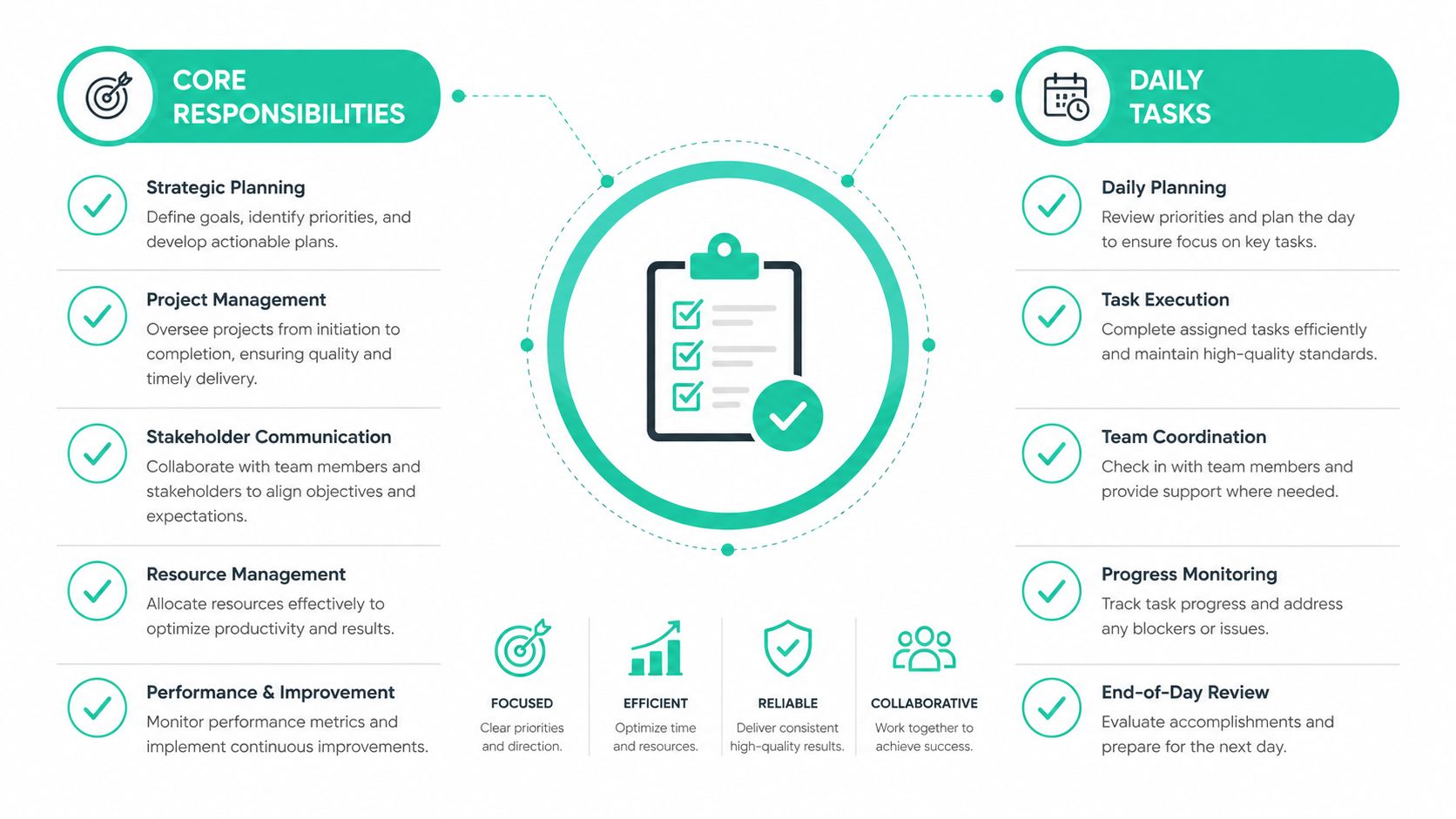
The daily work usually falls into three clusters, preparation, coordination, and follow-through. That structure matters because pet travel paperwork breaks when one of those pieces gets ignored. If a form is accurate but nobody tracked the deadline, the work still fails. If the deadline is known but the form version is wrong, the same thing happens.
Preparation and version control
The strongest technical piece of the job is document control. In regulated environments, documentation work isn't just writing, it's keeping version integrity, retention, and retrieval tight enough that the right revision is always the one people use. As described in the technical writer source on document control, this helps maintain audit trails, SOP distribution, and change-handling workflows, which is exactly the kind of discipline pet-travel files need when several forms and date checks are in play. Technical Writer HQ's overview of document control explains that version integrity sits at the center of the role.
For a travel case, that means keeping the current country reference file, the latest certificate template, and the pet's supporting records in sync. One old copy can send the whole case into a redo. That's the sort of mess nobody wants to untangle after lunch.
Coordination with people, not just paper
The next part is communication. A documentation specialist has to work between veterinarians, clients, and, in many cases, endorsement steps tied to government processes. They explain timelines in plain language, gather missing details, and make sure the veterinarian has what's needed before review. If you want a clean reference for the client-facing side of organized paperwork, free PDF form filling guidance can be useful when teams are trying to reduce friction without adding extra software.
This is also where the practice's internal rhythm matters. The specialist keeps track of what still needs a signature, what needs confirmation from the owner, and what's waiting on a revision. The job is less about shuffling paper and more about keeping the case moving without letting it drift off the table.
Follow-through and status tracking
The final cluster is follow-through. A documentation specialist keeps an eye on each application from start to submission, then stays with it until the next action is clear. That includes status updates, reminders, and document handoffs, which makes the process feel less like a black box and more like a well-marked trail.
A file that looks finished can still be unfinished if nobody checked the last step.
That's why the role is so useful in pet travel. It turns a scattered process into a repeatable one, so the practice isn't rebuilding the same checklist every time a client books a flight.
Skills That Make a Documentation Specialist Effective
A pet travel file can land on the desk looking routine and turn complicated fast. A document may be complete on paper, yet still fail a destination rule, miss a timing window, or leave the client confused about the next step. The documentation specialist keeps that case from stalling by reading the file accurately, explaining it clearly, and keeping the work organized while the requirements shift.
Technical know-how
The first skill is comfort with health certificate formats, country-entry references, and the regulatory terms that show up in travel files. That does not mean the specialist needs to act as a lawyer or a regulator. It means they need enough familiarity to notice when a form set does not match the destination or when a deadline needs another look. For teams that want a practical starting point, Passpaw's guide to documentation workflow helps show how those pieces fit together in day-to-day work.
The bridge role matters here. The Glider job description notes that a documentation specialist often acts as the bridge between subject-matter experts and end users, turning complex information into standardized documentation that people can use. Glider's documentation specialist job description makes that function clear. In a veterinary practice, that bridge gets built every time someone turns a technical rule into a client-friendly next step.
Communication that calms the process
Communication is the next skill. A good specialist can explain a travel requirement without making the owner feel like they have walked into a customs exam. They keep the language plain, the next step clear, and the questions focused on what still needs to be done.
Pet travel creates anxiety fast. People worry about timing, errors, and whether they missed something important. A specialist who can say, “Here is what we have, here is what is missing, and here is what happens next,” makes the process feel manageable. One clear explanation can prevent a long chain of back-and-forth, and nobody wants paperwork to turn into a bark-and-forth.
Organization and judgment
Organization comes next. Multiple applications, different travel dates, different certificate paths, and different owners can all be moving at once. The specialist has to sort priority, notice what is urgent, and keep the paperwork tree from growing wild.
Judgment matters just as much. Two files can look similar on the surface while one needs a quick correction and the other needs a full review because the destination rules differ. A strong documentation specialist knows when to pause, verify, and route the issue to the right person instead of guessing and creating a delay.
Automation is changing the job too. Healthcare career content notes that medical transcription and documentation employment is expected to decline 3% over one decade because of technology changes, while newer role descriptions focus more on reviewing speech-recognition output than on manual transcription. For pet travel teams, that points to more work in validation, oversight, and exception handling, and less time spent retyping information by hand. Explore Healthcare Careers' documentation specialist content supports that direction of travel.
That mix of habits is teachable, but it is easier to sustain when the specialist uses systems instead of memory alone. Checklists, status notes, and clear handoffs do the remembering, so the person can focus on the part that needs judgment.
Hiring and Onboarding a Documentation Specialist for Your Practice
A new pet travel case can arrive as a half-finished puzzle. One client has the airline date, another has the destination country, and the record packet is already missing a lab result. Hiring for this role works best when you treat it like a workflow job, not a generic admin opening. You are looking for someone who can handle detail, ask good questions, and stay steady when a client's travel date starts getting close. A resume that only lists reception or filing may not be enough unless it also shows document handling, deadline tracking, or regulated work.
Where to look and what to screen for
Good candidates often come from veterinary admin, medical records, compliance support, travel services, or other paperwork-heavy environments. Look for signs that they have worked with version control, customer communication, or process checklists. If they mention handling complex forms, coordinating with professionals, or tracking submission status, that deserves a closer look.
The Get Reskilled description is useful here because it frames the job as more like a document shepherd than a simple paper sorter. Get Reskilled's documentation specialist overview emphasizes SOP updates, version control, audits, and document retrieval. That mindset should shape your hiring filter. You want someone who guides records, not someone who just stacks them.
A sample job description
A practical version could read like this, “Manage international pet travel document cases, confirm destination requirements, prepare application packages, track deadlines and status changes, coordinate with veterinarians and clients, and maintain accurate document versions and supporting records.” That is plain, direct, and close to the actual work.
You can add, “Strong attention to detail, clear written communication, and comfort working across multiple cases at once are required.” That keeps the focus on the job instead of dressing it up.
Interview questions that test judgment
A few questions go further than “Are you detail-oriented?” Try these instead.
Critical error check: “Tell me about a time you caught a mistake in a form or record before it caused a problem. What did you notice first?”
Rule handling: “If two sources disagree on a requirement, how would you decide what to do next?”
Client communication: “How would you explain a missing document to a worried pet owner without causing confusion?”
Prioritization: “What would you do if three travel cases arrived at once and each one had a different deadline?”
If you want more ideas for culture and fit, sample cultural fit questions can help you shape your interview style without turning it into a personality quiz. A short call or a structured hiring checklist can also show how a candidate handles intake, follow-up, and handoff. For a practical starting point, see client onboarding best practices, which map well to the first interactions a documentation specialist has with a new case.
First thirty days on the job
Onboarding should start with the actual flow, not a pile of theory. In week one, have the new hire shadow case intake and learn the practice's document storage, templates, and communication style. In week two, let them prep draft files with review. By week three and four, they should be handling routine cases with a safety net.
Helpful habit: onboard to the workflow you want, not the workflow you're currently stuck with.
That is where the practice gains the most. A well-onboarded specialist becomes the person who keeps travel cases from turning into fire drills.
A Realistic Documentation Specialist Workflow with Passpaw
A typical case starts with a client message asking about travel, often before they've gathered all the details. The documentation specialist opens the request, notes the destination and timing, then starts the research and intake process. From there, the goal is to build one accurate path from inquiry to certificate delivery without forcing the team to reinvent the wheel each time.
From inquiry to review
With a platform like Passpaw, the specialist can organize the case around the travel date, keep the supporting details together, and reduce the odds of missing a required step. Passpaw's workflow tools support real-time document validation, task prioritization by travel date, and client communication, which helps the specialist stay on top of moving parts instead of juggling them by memory. The platform's travel-document features are laid out on Passpaw's product feature page.
That matters in a real practice because the specialist isn't just collecting files. They're checking that the pet's information, the forms, and the timeline all line up before the veterinarian reviews the case. If something looks off, it gets caught earlier, which is far easier than discovering it after a signature has already been requested.
Coordination and handoff
Once the case is built, the documentation specialist works with the veterinarian who will review or sign the certificate. The handoff needs to be clean, with the latest version of every document in place and the questions clearly flagged. That keeps the veterinarian focused on clinical review instead of digging through email threads.
From there, the specialist tracks submission status and follows up on anything that still needs attention. Some practices also use client communication tools to keep owners updated about what's missing or what's next. That keeps the client informed, which is important because a calm client usually means fewer phone interruptions for the rest of the team.
What the workflow changes
The biggest change is not speed alone. It's clarity. Instead of every case becoming a fresh puzzle, the documentation specialist works inside a repeatable pattern that makes the next file easier than the last. That's the sort of process that makes pet travel feel less like a stack of mystery forms and more like a steady runway.
Measuring Success and Interviewing Candidates
You don't need fancy metrics to know whether this role is working. You need a few practical measures that connect directly to the workflow, the client experience, and the amount of rework your team has to clean up later. If the specialist is doing the job well, the practice should feel less rushed, not more.
KPIs that actually matter
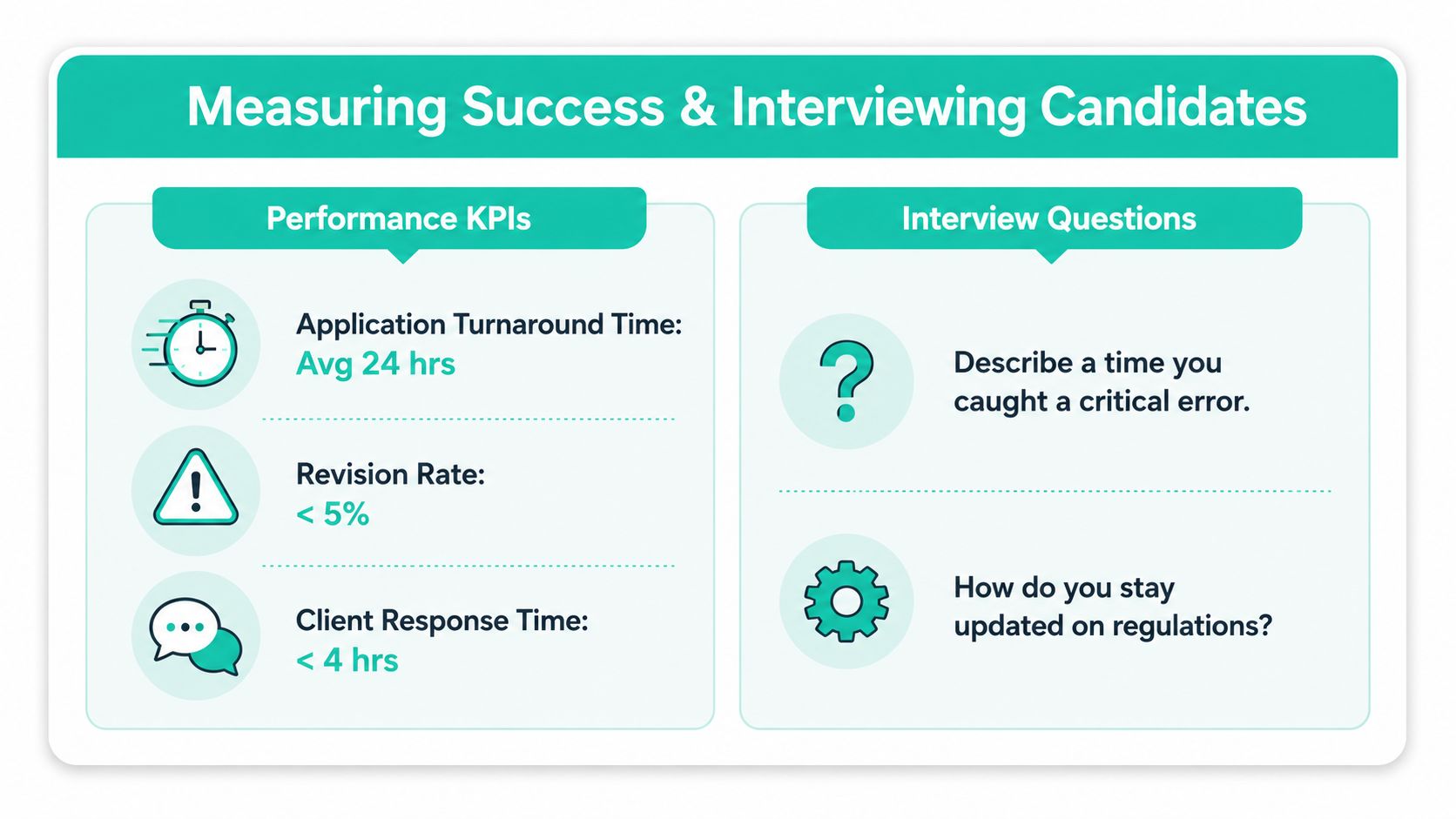
Application turnaround time: How long it takes to move a case from intake to ready-for-review. This shows whether the specialist is keeping cases moving instead of letting them sit.
Revision rate: How often files need correction before submission. A lower rate suggests better document control and fewer avoidable errors.
Client response time: How fast the team answers travel-related questions. That matters because clients often reach out when they're confused or anxious, and slow replies create more follow-up work.
Approval rate by submission stage: Whether files are getting through the next step without repeated fixes. This doesn't promise perfect outcomes, but it does show whether the process is stable.
These measures line up with the broader labor picture too. The BLS reports a median annual wage of $50,250 in May 2024 for the related medical records specialists category, 7% projected employment growth from 2024 to 2034, and about 14,200 openings per year on average over that decade. That's a useful reminder that documentation work stays relevant when recordkeeping and review are tied to real operational needs. BLS medical records and health information technicians gives that benchmark.
Interviewing for judgment, not just neatness
Good candidates can explain how they handle detail, but you still need to probe how they think under pressure. Ask questions that reveal their habits, not just their confidence.
Error detection: “Describe a time you caught a critical mistake before it reached a client or reviewer. What did you check first?”
Update habits: “How do you stay current when requirements change?”
Workflow choice: “If a case has missing details and a short deadline, what do you prioritize first?”
Client handling: “How would you explain a documentation delay to a pet owner who's already stressed about travel?”
Those questions work because they test both process and communication. That's the heart of the role.
A strong documentation specialist is a quiet force in the practice. They don't just keep files tidy, they help the whole team move with less friction and fewer surprises. If your practice handles pet travel, Passpaw can help organize document-heavy cases, coordinate the workflow, and keep travel applications moving in a way that's easier for both staff and clients to follow. Visit Passpaw to see how its tools fit into an international pet travel workflow and help your team keep the paperwork on a short, steady leash.

More articles
From regulatory changes to best practices for veterinarians and pet owners, our resources keep you ahead of the curve.