Are you a team member in a veterinary practice?
Are you a pet parent planning a trip with your furry pal?
Cat with a Jacket: A Friendly Guide to Safe Fitting
You're in the living room with a tiny jacket in one hand and a highly offended cat on the rug. Your cat may look ready for a winter postcard, but the important question isn't whether the jacket is adorable. It's whether your cat can breathe, move, regulate body heat, and feel safe wearing it.
A cat with a jacket can be sensible in the right situation, especially for a hairless cat, a chilly carrier, recovery after treatment, or a brief supervised outing. It can also become a stressful costume that rubs, overheats, or traps a frightened animal. The difference comes down to purpose, fit, fabric, and your cat's body language.
Why Some Cats End Up in Jackets
The owner on the rug usually starts with good intentions. Perhaps the cat is hairless and shivering near a draft, or perhaps a senior cat seems uncomfortable during a cold car ride. A jacket looks like an easy answer, but clothing should solve a real problem rather than create a cute photo opportunity.
The history supports that distinction. Domestic cats appeared in the Near East about 9,000 years ago, while fashion-oriented cat dressing emerged much later, largely alongside 19th-century pet parades and cat shows. The oldest photographic evidence of cats dates to the 1840s, and early 20th-century images reportedly show owners dressing cats, making visible cat apparel a modern cultural practice rather than an ancient feline tradition. You can explore that historical context in this overview of cat clothing history.
Practical reasons to consider one
A jacket may help in a few specific situations:
Hairless cats: Breeds with little or no fur can lose warmth quickly in cool rooms or during short outdoor exposure.
Small or elderly cats: Some cats struggle more than healthy adult cats to maintain comfortable body temperature.
Post-surgical recovery: A recovery suit may reduce access to an incision, although it should match your veterinarian's advice rather than replace it.
Brief harness outings: A lightweight vest can add warmth during a supervised walk or garden visit.
Travel and vet visits: Carriers, waiting rooms, and unfamiliar buildings can feel chilly, especially for cats already stressed by transport.
Cats still buy clothing less often than dogs, with clothing adoption reported at 18% for cats compared with 33% for dogs in market coverage from 360 Research Reports. That difference makes sense to anyone who has tried dressing a cat. Dogs often accept handling that makes a cat feel trapped.
My rule: If the jacket exists only for a picture, the picture isn't worth a frightened cat.
Style can still be fun, and thoughtful owners may enjoy browsing local marketing resources for ideas on presenting pet services or products responsibly. But with cats, welfare must lead the decision. Resources about snub-nosed cats can also be useful when considering how breathing comfort affects clothing choices, particularly for cats with short faces.
Start with measuring, not shopping. An ill-fitting jacket can cause more trouble than leaving a healthy, well-furred cat without clothing.
Measuring Your Cat the Right Way
A jacket size based only on weight is a gamble. Cats with the same weight can have very different necks, chests, shoulders, and backs, so three body measurements matter more than the number on the scale.
Measure your cat when they're calm, standing or sitting naturally. Use a soft measuring tape, keep it flat against the fur, and avoid pulling it tight. A treat can create a useful still moment for a wriggler. Restraint usually makes the measurement less accurate and makes the next attempt harder.
The three measurements that matter
Neck circumference: Wrap the tape around the base of the neck, where a collar normally rests. Don't measure around the head or high under the jaw. This measurement prevents a neckline from pressing on the throat or slipping over the shoulders.
Chest girth: Measure around the widest part of the chest, just behind the front legs. The tape should follow the rib cage without compressing it. A chest that's too tight can rub the leg openings, limit shoulder movement, and make breathing less comfortable.
Back length: Measure from the base of the neck, around the shoulder-blade area, to the base of the tail. This tells you whether the jacket covers enough of the back without extending into the tail area or bunching at the rear.

Use the two-finger check
After fastening the jacket, slide two flat fingers beneath the neck and chest areas. You want contact without pressure, not a loose gap that lets the garment twist. This simple check helps reduce rubbing, restriction, trapped heat, and ventilation problems.
Match your measurements to the manufacturer's chart, even if the chart lists weight first. Treat weight as a rough starting point, not the final size decision. Check the actual neck, chest, and back ranges, then inspect the shoulders and elbows while your cat walks.
For ideas about thoughtful construction and how to dress your pet in luxury, focus on craftsmanship rather than decoration alone. Soft seams, flexible panels, and smooth closures matter more to a cat than elaborate trim. A portable cat carrier is also worth preparing before any travel test, because the jacket should work alongside safe transport, not replace it.
Kittens change quickly. A jacket that fits today may pinch next month, so re-measure before every replacement and whenever your cat's body shape changes.
Choosing a Jacket Style That Actually Works
The best style depends on what you need the garment to do. A sweater for indoor warmth shouldn't be expected to handle a harness, and a recovery suit shouldn't be treated like outdoor weather gear.
Compare the common options
Style | Primary Use | Best For | Main Drawback |
|---|---|---|---|
Full-coverage pullover sweater | Indoor warmth | Hairless or cold-sensitive cats that tolerate sleeves | Can restrict movement and be difficult to remove quickly |
Step-in vest with back closure | Harness walks | Cats that accept brief outdoor sessions | May rub behind the legs if the chest is wrong |
Back-zip or belly-strap harness-jacket hybrid | Stroller or leash use | Cats already comfortable with harness handling | Extra hardware can feel bulky or catch on objects |
Lightweight cape | Short car trips | Calm cats needing light coverage | Offers limited protection and can shift during movement |
Medical recovery suit | Incision protection | Post-surgical care under veterinary guidance | Isn't a substitute for a breathable outdoor jacket |
A full-coverage pullover can work for a relaxed hairless cat resting indoors. It's a poor choice for a cat that freezes when fabric passes over the head. A step-in vest usually makes more sense for harness walks because it avoids pulling a garment over the face, but it still needs clear shoulder movement.
The hybrid jacket is useful when the cat already accepts a harness and you need one layer for warmth and attachment. A cape is simpler for a short car ride, though it should never become loose fabric that tangles in a carrier. For recovery, choose the garment your veterinarian recommends. Medical access, incision protection, and easy monitoring come before style.
Designs I'd leave on the shelf
Avoid anything that crosses or tightens around the throat. Skip closures that sit near the tail base, where they can irritate the skin or interfere with movement. Stiff fabric is also a bad match for cats who dislike restriction, even if the jacket looks durable in a product photo.
Soft, breathable fabric with flexible seams is usually the safer starting point. Fabric choice guides such as FloofChonk pet styling tips can spark design ideas, but your shortlist should contain only one or two styles tied to a real purpose. If you can't explain what the jacket does, your cat probably doesn't need it.
Acclimating Your Cat Without the Drama
Putting a jacket straight onto an unprepared cat is how you end up with flying claws, a vanished pet, and a garment nobody wants to see again. Introduce it slowly, reward curiosity, and stop before your cat feels cornered.
Your cat should be able to walk away at every early stage. Keep sessions quiet, use a valuable treat, and move forward only when the previous step produces no clear distress.
A gradual five-phase routine
Phase one, make it ordinary. Leave the jacket near a favorite resting spot for several days. Don't wave it over your cat or push it toward their face. Familiar scent and repeated passive exposure make the object less startling.
Phase two, invite investigation. Place the jacket flat on the floor with a treat inside or beside it. Let your cat sniff, step over, or ignore it. Ignoring it is fine. Voluntary contact matters more than speed.
Phase three, add brief touch. Touch the jacket to your cat's side, then drape it lightly for ten to twenty seconds. Give a high-value reward immediately after removal. Repeat once or twice daily, keeping the moment boring and predictable.
Phase four, fasten briefly. Secure the jacket loosely indoors for thirty seconds while watching closely. Remove it before resistance begins. Don't wait for your cat to panic before deciding the session is over.
Phase five, build slowly. Extend wear by one-minute intervals across multiple days. If your cat shows flattened ears, tail thumping, or escape attempts, return to the previous phase rather than pushing ahead.
A cat that tolerates clothing isn't necessarily enjoying it, so keep the purpose narrow and sessions short. Advice about crate training for cats can help with the broader skill of building calm associations around confinement and travel equipment. The same principle applies here: cooperation beats force.
Reading Stress and Overheating Signals
More coverage doesn't automatically mean more safety. A thick jacket can trap heat, limit shoulder movement, and turn a mildly uncertain cat into a panicked one. The garment has failed if your cat can't communicate discomfort through normal movement and body language.
Watch the whole cat, not just the fit around the chest. Early stress can appear as dilated pupils, ears rotated sideways, a low body posture, a tucked or lashing tail, drooling, or a rigid freeze response. Some cats don't struggle immediately. They just stop moving, which can look like acceptance if you don't know what you're seeing.
Remove the jacket at the first warning
Look for these changes:
Eyes: Pupils become noticeably enlarged, especially with a fixed stare.
Ears: Ears rotate sideways or flatten rather than facing forward.
Posture: The body lowers, stiffens, or presses close to the ground.
Tail: The tail tucks tightly, thumps, or lashes from side to side.
Movement: Your cat walks awkwardly, refuses to move, or repeatedly tries to escape.
Mouth and energy: Drooling, unusual restlessness, panting, or sudden lethargy calls for immediate removal and a quiet recovery space.
Panting in a cat deserves particular attention. Warm ears and paw pads, restlessness, and a sudden drop in energy can also signal that the garment is too warm or the session has gone too far.
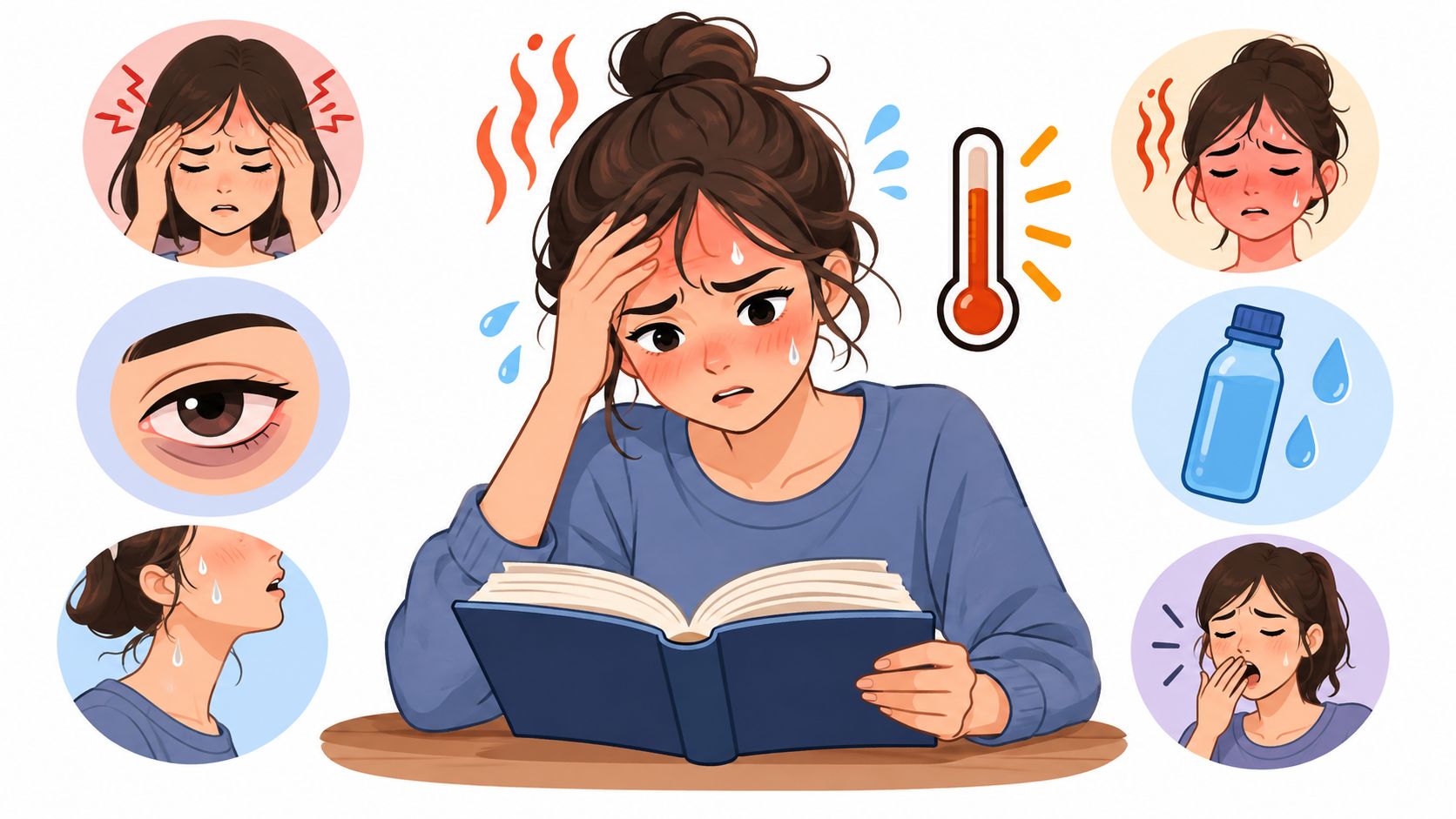
Hairless cats and kittens can have a harder time managing temperature, so keep their jacket sessions short and supervised. Don't leave a dressed cat unattended, especially around furniture, doors, climbing structures, or other pets.
Safety first: When you're unsure whether your cat is distressed, remove the jacket. A quiet room, fresh water, and time to settle are better than trying to interpret a worsening reaction.
Veterinary reporting identifies small, short-haired, hairless, very lean, elderly, and brachycephalic pets as the groups most likely to benefit from jackets. It also warns that many healthy, well-furred dogs already have enough insulation and may overheat in clothing, while tight garments can reduce ventilation and increase humidity. The same practical lesson applies to cats: use a jacket only when cold exposure is meaningful, and choose breathable, correctly sized clothing. See the veterinary guidance on pet jackets and heat loss for the broader welfare context.
Jackets for Travel and Vet Visits
Travel is one of the few times a jacket can serve several practical purposes at once. A well-fitted vest may help keep a harness attachment point organized, reduce leash tangling around a carrier, and make a cat easier to identify if a carrier door opens unexpectedly. It still doesn't replace a secure carrier.
For a car trip, test the complete setup at home. Put the jacket, harness, and carrier together and watch whether the straps press into the chest or catch on the mesh. Your cat should be able to sit, turn, and settle without fabric bunching behind the elbows.
Use warmth thoughtfully
A chilly carrier or vet waiting room may justify a light layer for a cat that struggles with cold. An indoor-only cat usually doesn't need outdoor clothing just because the weather is cold. Outdoor cats in cold climates may benefit from an insulated jacket during supervised yard time, but they still need access to appropriate shelter and should never be left wearing clothing without observation.
At the clinic, some cats settle with gentle, even pressure from a suitable recovery garment. Others become more frightened because the garment removes their ability to move normally. Let the veterinary team decide whether clothing helps during examination or recovery, especially after surgery.
International travel adds a separate paperwork problem that a jacket cannot solve. The destination country sets the requirements, and there's no single global health certificate or universal process. Depending on the destination, travelers may need vaccinations, laboratory tests, parasite treatments, and timely veterinary or government endorsement. The USDA APHIS pet travel overview explains why requirements vary by country and animal type.
Most countries require a health certificate from a USDA-accredited veterinarian, and airlines commonly want a certificate no older than 10 days, while some destinations require a shorter window, according to the U.S. State Department's pet travel information. After a primary rabies vaccination, pets usually need to wait at least 21 days, or the vaccine maker's recommended immunity period, before travel. The USDA guidance for travel from the United States to Spain describes that timing, and the UK uses the same 21-full-day rule, counting the day after vaccination as day one.
Airlines and regions may require a carrier regardless of the jacket, so check the current rules before booking. A cat travel plan for flying should begin with carrier training and destination documents, with clothing treated as a small comfort aid rather than the main travel system.
Quick Checklist Before the First Sighting
Run this check before the first wearing session, then repeat it before every outing. A jacket that passed last month may not pass today after growth, seasonal weight change, washing, or a small alteration in your cat's tolerance.
Neck space: Confirm that two flat fingers fit beneath the neck opening without pressure.
Chest clearance: Check that the chest panel sits behind the front legs and doesn't bind the shoulders.
Breathing room: Make sure the belly panel allows a full breath without pressing into the ribs.
Leg openings: Inspect for rubbing, twisted fabric, or edges that catch when your cat walks.
Fasteners: Look for loose threads, exposed sharp parts, and closures that can come off quickly.
Emergency removal: Practice unhooking the jacket in one motion before your cat wears it.
Fabric and weight: Choose breathable, light material without stiff sections that block movement.
Noise: Avoid clinking hardware, jingling charms, and anything that startles your cat.
Travel kit: Pack a familiar towel, a high-value treat, and a backup harness so the jacket can come off fast.
Kittens and cats with seasonal weight changes deserve frequent fit checks. Revisit measurements every two to four weeks for kittens and during noticeable body changes. Don't rely on appearance alone. Run your fingers beneath the fabric and watch a few natural steps.
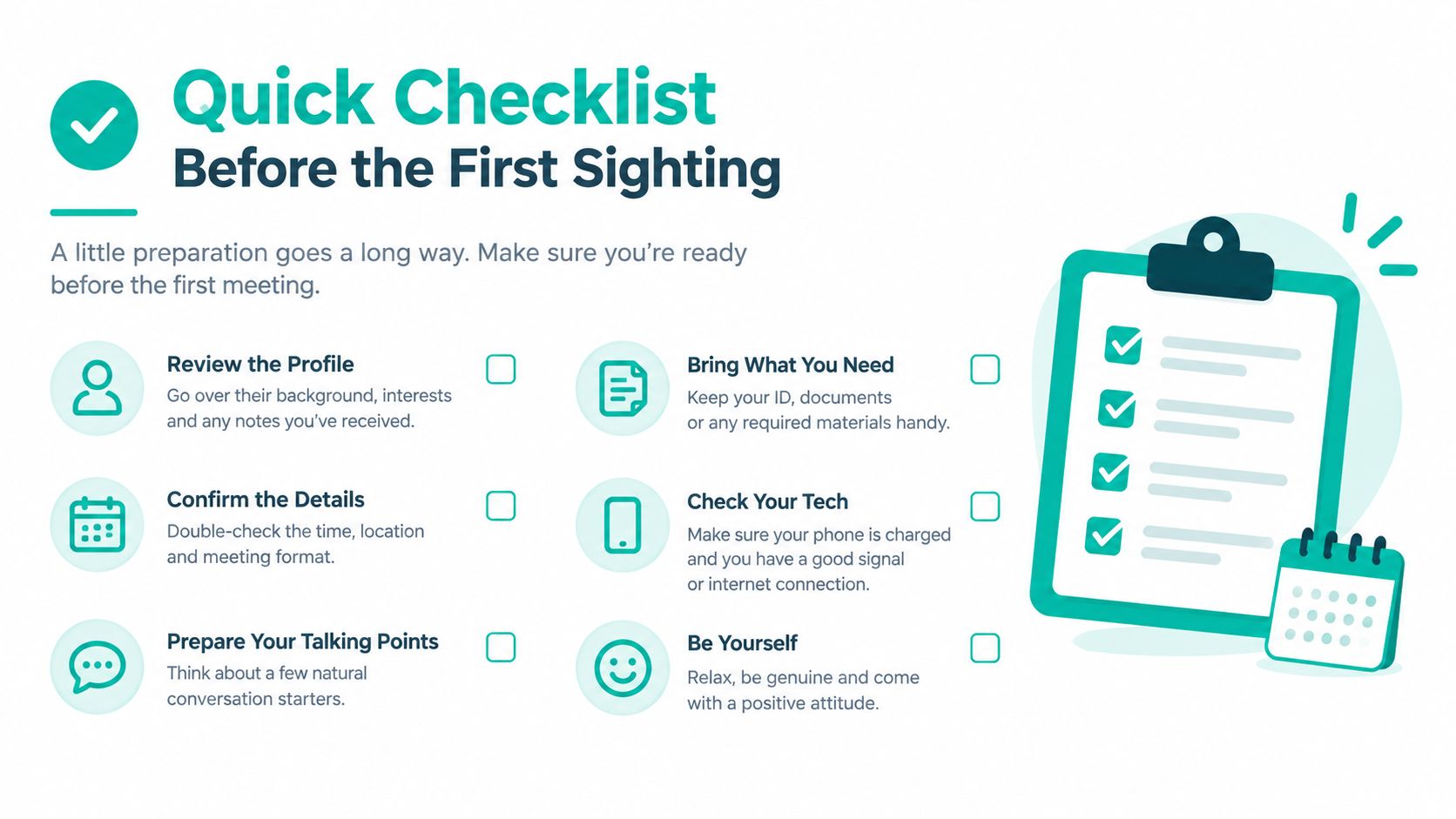
If every box is checked, start in a calm room for a short session. Follow removal with a treat and quiet time, not another challenge. The right cat with a jacket looks comfortable, moves normally, and can leave the experience without fear. Welfare comes before the photo, every time.
Passpaw helps pet owners and veterinary teams manage international health certificates, destination requirements, document validation, and travel tasks in one place. If your cat's jacket is part of a bigger journey, visit Passpaw to make the paperwork side of pet travel easier to track.

More articles
From regulatory changes to best practices for veterinarians and pet owners, our resources keep you ahead of the curve.