Are you a team member in a veterinary practice?
Are you a pet parent planning a trip with your furry pal?
10-Point Dog Checklist for Traveling in 2026
Three weeks before a trip, many dog owners get the same sinking feeling. The flight is booked, the hotel is set, and then the rabies waiting period, health certificate window, or microchip sequence doesn't fit the calendar. A practical dog checklist for traveling fixes that mess by putting every task in the right order, from six months out to departure day. That matters because destination rules vary, transit countries can add their own requirements, and airline policies can differ from both. Always confirm the current rules with official sources and your veterinarian before you pack the leash.
1. Destination and timeline planning
Start with where the dog is going, not what goes in the bag. A hotel, rental, or family home can look pet-friendly and still have weight limits, breed limits, or local leash rules that change the plan fast. A clear timeline keeps you from booking first and learning later that a vaccine, lab result, or government endorsement needs more time than you have.
Work backward from the departure date
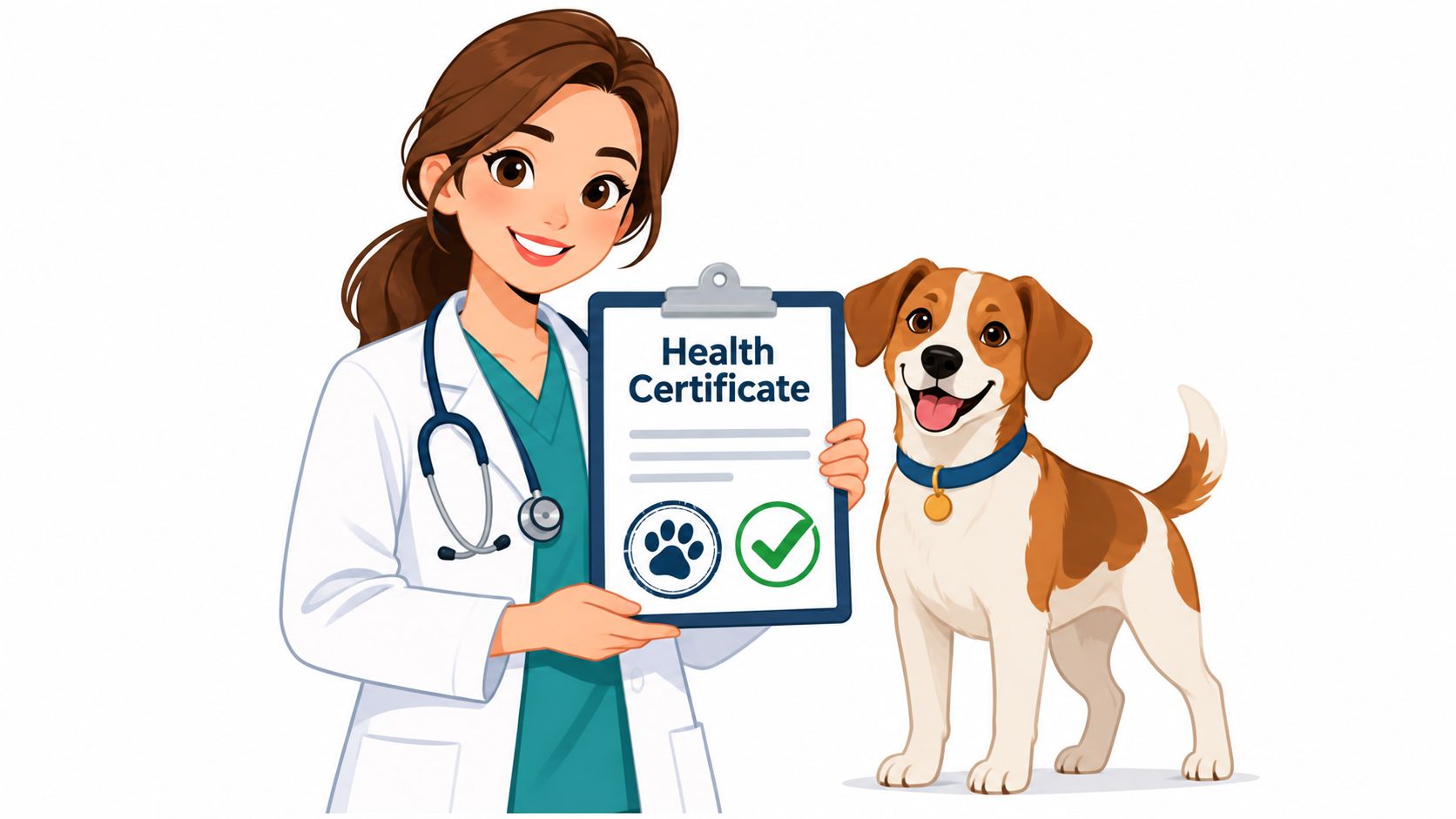
A good clinic-side plan starts with the destination, transit stops, and travel date, then counts backward. That gives the vet team room to schedule exams, vaccine updates, lab work, and paperwork without last-minute scrambles. USDA APHIS notes that countries set their own entry rules and that there is no single standard international health certificate USDA APHIS travel overview.
Some countries also need endorsement after the veterinarian signs the certificate, and that window can be short. The U.S. State Department notes that airlines typically want health certificates issued no more than 10 days before travel, even when the destination allows older paperwork.
Practical rule: if the trip has more than one stop, use the strictest date, not the easiest one.
A traveler who chooses a rental home with a fenced yard after learning the hotel has a weight limit avoids an ugly surprise at check-in. A veterinary practice can do the same thing by building a six-month plan, then adding reminders for each step. Save written confirmations for pet policies and fees, and keep nearby dog parks, pet stores, and 24-hour clinics on the same list. That way the dog's travel plan becomes a real schedule, not a hopeful note in someone's phone.
2. ISO-compliant microchip
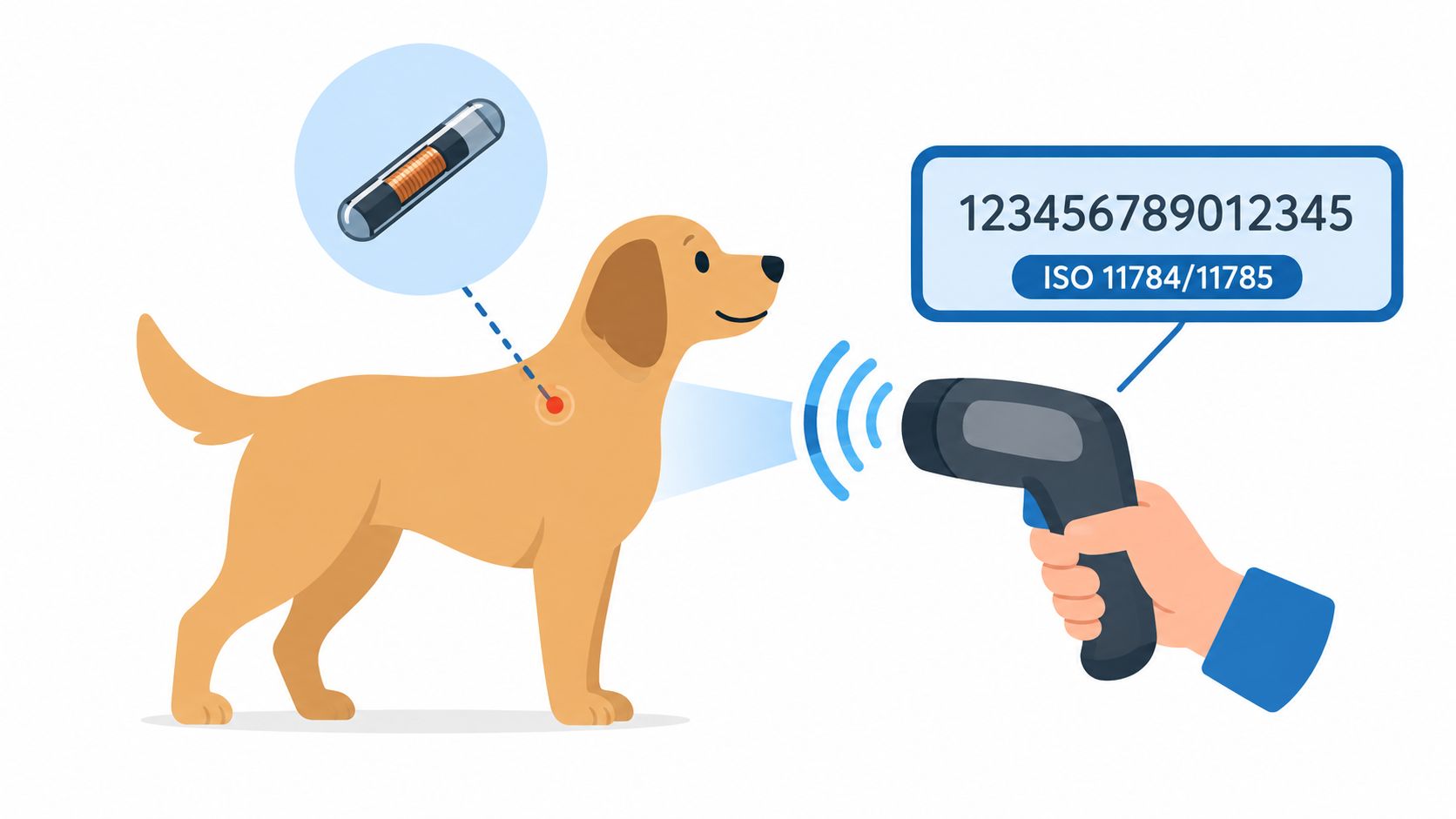
Microchip first, rabies shot second, when the destination requires that order. That sequence matters more than people expect, because some countries want the chip implanted and scannable before the rabies vaccination. The chip itself is tiny, but the paperwork around it can decide whether a border officer smiles or sends you back to the start.
Make the identifier match every form
For U.S.-bound dogs from high-risk rabies countries, CDC rules require a universally detectable microchip, and the chip must be implanted before the qualifying rabies vaccination or that vaccine is considered invalid CDC dog import rules. The microchip number also has to match across forms and supporting records, so one typo can create a real delay. For dogs entering the United States after being only in rabies-free or low-risk countries during the previous six months, CDC rules still call for a universally scannable microchip and a healthy appearance on arrival CDC low-risk country rules.
A pet shipper once spots a mismatch before loading because the chip number on the crate tag doesn't match the vaccination paperwork. That small catch saves a long argument later. If the dog already has an older chip, ask the clinic to verify it reads on a universal scanner and update the registry before travel. Record the chip number in one place only, then copy it exactly onto every form. Clean data, happy travel, less drama.
3. Rabies vaccination and titer records
Rabies paperwork is where many travel file checks get messy. A vaccine record shows the dog was vaccinated. A titer test measures whether the antibody level meets the destination's rule set, which follows its own timeline. Treat them as separate items, because a missing line on either one can stall the trip.
Read more about proof of rabies vaccination
Build the sequence early
USDA APHIS says dogs traveling to or returning from a country classified as high risk for dog rabies must carry a Certification of U.S.-Issued Rabies Vaccination completed by a USDA-accredited veterinarian and submitted before departure from the United States USDA rabies export guidance for Canada and related routes. The same guidance also shows how age and route change the paperwork. Dogs older than 8 months traveling from the United States to Canada generally do not need a health certificate when accompanied by their owner, but they still need proof of rabies vaccination. Younger dogs may need more veterinary paperwork, and some unaccompanied dogs under 8 months may need examination and certification within 72 hours of arrival USDA guidance for pet travel to Canada and related routes.
Start the rabies timeline early, especially if a titer test is part of the destination rules. The blood draw needs room for lab turnaround and any required waiting period.
A clinic can help by setting the booster reminder before the travel window gets tight. Keep the vaccination certificate handy with the vaccine name, batch number, and expiration date. If the booster falls due during the trip, the vet should know that before you leave, not after you have crossed a border.
For extra wellness support, some owners also review vaccination and parasite control tips while they are planning the visit.
4. International health certificate
A health certificate says the dog is fit to travel, but the timing and the signer matter just as much as the exam. Different countries accept different versions, and many require the checkup close to departure. Some also require government endorsement, so the paperwork has to be handled in the right order.
Learn about international pet health certificates
Treat the certificate like a timed task
USDA APHIS says export certificates in the United States must be issued by a USDA-accredited veterinarian and may also need USDA endorsement, depending on the route and destination USDA APHIS travel overview. For dogs entering the European Union from a non-EU country, the animal health certificate must be issued by an official state veterinarian no more than 10 days before arrival, and after entry it can support travel inside the EU for up to 6 months or until the rabies vaccination expires, whichever comes first EU pet travel rules.
The original certificate usually needs to stay with the owner during travel, so clinic staff should hand over the signed copy only after every detail is checked. That means matching names, dates, microchip details, and destination rules before anyone leaves the clinic. A practice that handles several travelers at once works better with a certificate calendar than with memory alone. One family may need a same-week exam, while another needs more lead time because endorsement can slow things down. Keep paper and digital copies together, and keep the original safe. A wrong date turns a health certificate into an expensive souvenir.
5. Airline and carrier policy review
Airline rules can be stricter than the destination rules, and that is where many travel plans slip. A dog may meet entry rules and still be refused because the carrier has a weight limit, breed restriction, booking cap, or route-specific pet policy. Call the airline and get the pet policy confirmed in writing, because website summaries often lag behind current cargo rules.
Confirm the exact route, not just the airline name
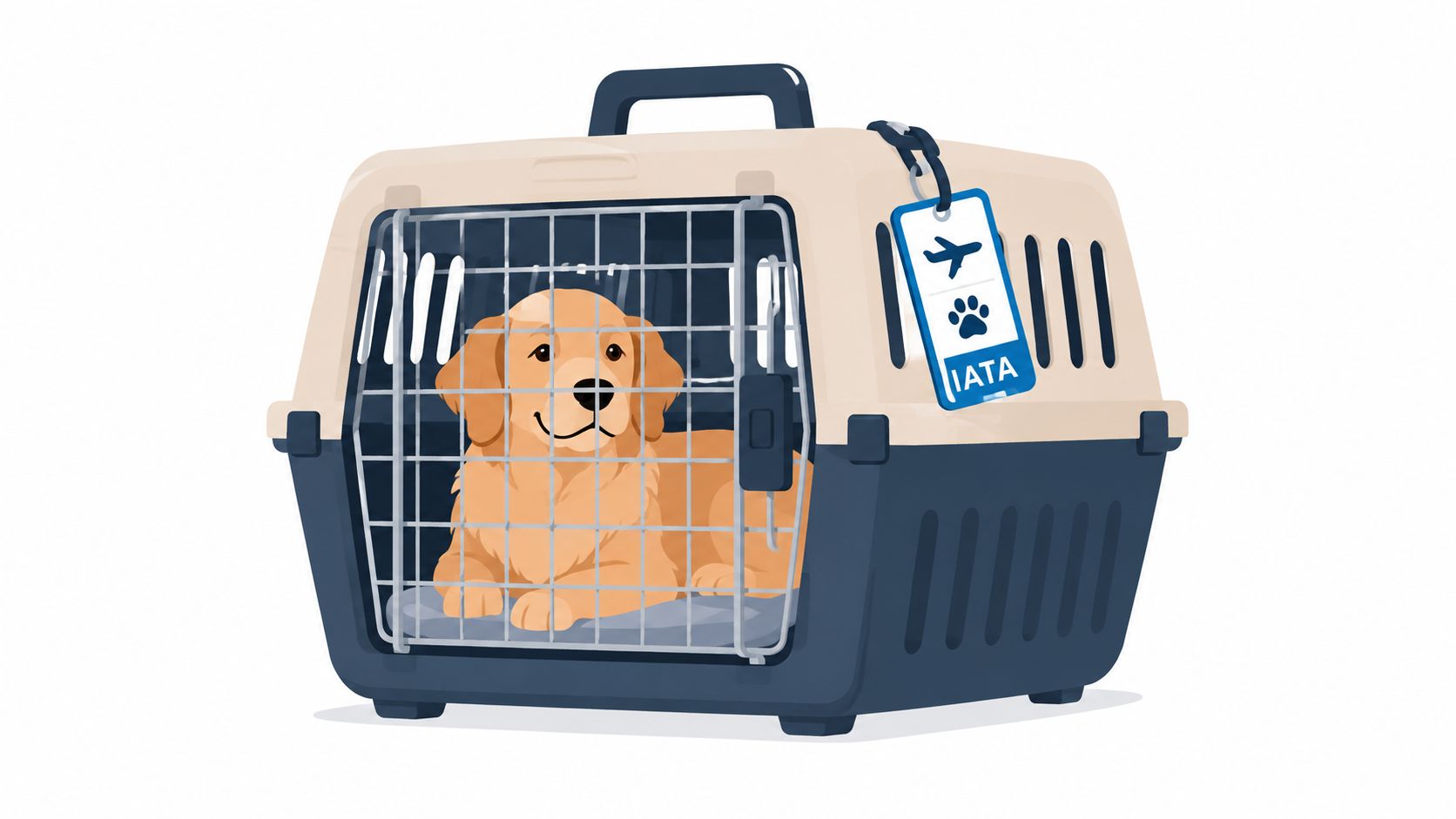
IATA says dogs and cats must be at least 8 weeks old and fully weaned before flying, although airlines may set a higher minimum age IATA pets guidance. It also says the container must be large enough for the dog to turn around normally while standing, stand and sit fully, and lie in a natural position.
Some airline policies also ask for a veterinarian-issued health certificate for animals traveling in the cabin or as an unaccompanied shipment, and many carriers ask owners to reconfirm pet arrangements before departure. A flat-faced dog may be accepted on one route and refused on another, so check the exact flight path, including connections, before you commit. That kind of detail changes the trip from simple to stressful fast.
Ask about pet space limits, temperature rules, breed exclusions, and any check-in cutoff tied to the route. Save the written confirmation with the rest of the travel folder, and keep the airline contact handy on travel day. A quick call now can save a kennel-side headache later.
6. Airline-approved travel crate
A crate isn't just a box. It's the dog's moving room, sleep space, and safety zone all at once. If it's too small, too loose, or not allowed by the airline, the trip gets harder before it even starts. If it's introduced early and fitted right, many dogs settle better than owners expect.
Fit the crate before you need it
The airline's size chart comes first, then the dog's measurements. Measure from nose to base of tail and check the crate against the carrier rules before you buy. If the dog is flying cargo, confirm whether the airline allows the crate material you're planning to use, because some won't accept soft-sided carriers there. A pet travel agency that labels the crate with the microchip number and emergency contact makes handling easier at the airport, especially when multiple animals are moving at once.
See practical crate guidance for pet travel
A large breed dog that gets measured and re-measured before purchase avoids a nasty size issue on departure day. The crate should feel familiar before travel, so use treats, short sessions, and calm praise at home. Add a blanket or toy the dog already knows, but skip loose bedding that can be chewed or bunched up. A crate should feel like home, not a puzzle.
7. Car safety harness or travel restraint
Not every trip starts in the air. Plenty begin with a car ride to the airport, a road trip across several states, or a transfer between hotels and clinics. In those settings, a loose dog can get hurt in a sudden stop and can also distract the driver. The restraint matters for both safety and sanity.
Secure the dog before the wheels roll
Use a harness, crate, or seat restraint that fits the dog's size and attaches to a secure point. Test it at home first so the dog can get used to the feel before travel day. A snug fit matters, but the harness still needs to let the dog breathe normally. If the setup rubs, slips, or makes the dog panic, it isn't the right one.
Never leave a dog alone in a parked car, especially in warm weather.
Plan rest stops every 2 to 3 hours for water, bathroom breaks, and stretching. A family doing a long road trip often thinks of the dog as “fine” because the dog is quiet. Quiet doesn't always mean comfortable. It can mean tired, confused, or just waiting for the next stop. A secure setup, plus regular breaks, keeps the trip steady for everyone in the car.
8. Pet first aid kit and medication supply
Travel can turn small issues into big ones fast. A little stomach upset becomes a messy crate stop. A cut paw becomes a search for supplies in an unfamiliar town. A dog with chronic medication can't afford a missed dose because a bag went missing.
Pack what you'd want after hours
Keep regular medications in the original labeled containers, and carry a copy of the prescription. Put them in your carry-on bag, not checked luggage, so you can reach them if plans change. Ask the vet ahead of time which medications need extra documentation, especially if you're crossing borders. Also look up 24-hour emergency vets at the destination before you leave, because no one wants to search that out while stressed and tired.
Replace expired first aid items every 6 to 12 months. A small kit can include basic wound care supplies, anything the vet recommends for upset stomachs or allergic reactions, and whatever your dog needs for the trip. One traveler with a dog on heart medication packs an extra week's supply plus the prescription copy for customs. That's not overpacking. That's sensible planning with a side of peace of mind.
For ongoing wellness support, some owners also review dog gut health before departure.
9. Travel comfort and familiar items
A dog in a strange place doesn't need every toy at home. The dog needs a few familiar things that smell right, feel right, and make the trip less weird. A blanket, bed, bowl, or toy can do a lot of emotional heavy lifting. So can the usual food, which is one of the easiest ways to avoid a stomach surprise.
Keep the routine boring on purpose
Pack the same food your dog eats at home, plus enough water for the journey if you can manage it. Use a collapsible bowl for quick stops, and keep the feeding routine as steady as possible. If you're bringing a new bed or toy, introduce it at home first so it already smells familiar. A spare leash and collar with ID tags belong in the bag too, because the “what if” items are the ones people wish they'd packed first.
A family that places the dog's favorite blanket in the crate during a flight often finds the dog settles quicker. That doesn't guarantee a perfect trip, but it can soften the edges. Keep a packing list and check it before each stop. If the dog eats, drinks, rests, and recognizes a few things around it, the whole journey tends to feel less like a disruption.
10. Organized document folder
Travel paperwork is the thing most travelers think they'll remember and then forget in the final rush. A folder keeps every record in one place, which makes check-in and border checks much easier. Paper copies help when Wi-Fi is weak. Digital copies help when a document gets misplaced. Having both is the sane choice.
Keep pet travel documents organized
Put the records where you can reach them fast
For pet travel, that folder should usually include health certificates, rabies records, microchip details, import permits, airline confirmations, and emergency contacts. Store originals in a waterproof sleeve and carry copies in your carry-on bag. Save digital files as PDFs with clear names, like Dog_Rabies_Certificate_2025.pdf, so nobody has to guess what they're opening. Check every document for spelling errors, matching names, and correct dates before you leave.
One wrong letter in a name can cause more delay than a full bag of treats can fix.
A traveler who stores scanned copies in a shared cloud folder can email them to the airline in advance if needed. That makes the handoff smoother at the airport and gives the vet team a clean record too. Passpaw can keep travel documents organized in one place so clinics and clients can view and share them easily, which helps when several deadlines are moving at once.
10-Point Dog Travel Checklist Comparison
Item | Implementation Complexity 🔄 | Resource Requirements ⚡ | Expected Outcomes 📊 | Ideal Use Cases 💡 | Key Advantages ⭐ |
|---|---|---|---|---|---|
Destination & Timeline Planning | Moderate, multi-step timeline, needs updates 🔄 | Time, calendar tools, vet & owner coordination ⚡ | Fewer surprises, meets waiting periods, timely bookings 📊 | Long international moves, complex itineraries, vaccine scheduling 💡 | Proactive planning, shared visibility between clinic & owner ⭐ |
ISO-Compliant Microchip | Low, single implant procedure, registry upkeep 🔄 | Vet appointment, registry update, scanner check ⚡ | Permanent ID, smoother border scans 📊 | International entry, lost-pet recovery, pre-vaccination checks 💡 | Lifetime identification; widely required by authorities ⭐ |
Rabies Vaccination and Titer Records | Moderate, vaccine timing and lab lead-times 🔄 | Vet visits, lab testing, possible months of lead time ⚡ | Public health protection, regulatory compliance for entry 📊 | Destinations requiring titers or strict rabies proof 💡 | Clear, checkable requirement; protects pet and public ⭐ |
International Health Certificate | High, strict issue windows and possible endorsements 🔄 | Veterinary exam, paperwork, agency endorsement processing ⚡ | Official permission to enter when correctly issued 📊 | Countries with strict certificate windows and inspections 💡 | Authoritative travel health documentation; often mandatory ⭐ |
Airline and Carrier Policy Review | Moderate, variable carrier rules per route 🔄 | Time to research and confirm with airlines, phone/email follow-up ⚡ | Fewer denied bookings and last-minute changes 📊 | Selecting flights, routing with connections, breed-restricted pets 💡 | Avoids surprises; helps choose safest travel option ⭐ |
Airline-Approved Travel Crate | Moderate, correct sizing and preparation required 🔄 | Purchase/rental, labeling, weeks of crate introduction ⚡ | Compliant transport and safer handling during transit 📊 | Air cargo/checked travel and long flights 💡 | Meets IATA guidance; provides secure familiar space ⭐ |
Car Safety Harness or Travel Restraint | Low, fitting and testing at home 🔄 | Purchase, seat-belt anchor or crate, trial fittings ⚡ | Reduced injury risk; less driver distraction 📊 | Road trips, car transfers to airports, daily travel 💡 | Crash-tested options available; calmer travel ⭐ |
Pet First Aid Kit & Medication Supply | Low, assemble and maintain kit 🔄 | First-aid supplies, extra meds, prescription copies ⚡ | Immediate response to minor issues; uninterrupted meds 📊 | Long trips, remote locations, medication-dependent pets 💡 | Preparedness for emergencies; continuity of care ⭐ |
Travel Comfort & Familiar Items | Low, pack familiar bedding/toys and food 🔄 | Packing space, extra food, collapsible bowls ⚡ | Reduced anxiety; better rest and adjustment 📊 | Hotel stays, crate travel, multi-night trips 💡 | Calming effect; eases transitions to new environments ⭐ |
Organized Document Folder | Low, organize paper and digital backups 🔄 | Waterproof sleeves, cloud storage, scanned PDFs ⚡ | Faster check-ins and fewer paperwork errors 📊 | All international travel, border inspections, vet checks 💡 | Centralized records; easy sharing with airlines/clinics ⭐ |
Turn the Checklist Into a Trip-Ready Routine
The easiest way to use a dog checklist for traveling is to start with one real departure date and work backward through every milestone. Pick one person to own each document, too. The owner of the rabies record shouldn't assume the certificate is handled. The person booking the flight shouldn't assume the microchip number is correct. Shared responsibility only works when each step has a name on it.
Vet teams get the best results when they use the same list as the client. That keeps the conversation clear, cuts down on duplicate reminders, and helps everyone see the deadline order. It also makes it easier to spot where a route has an extra rule, where a vaccine needs a longer lead time, or where a form expires sooner than expected. When the plan is visible to both sides, it's much easier to keep the trip on track.
A strong routine also leaves room for changes. Destination rules can shift, airline policies can tighten, and a certificate window can move faster than expected. That's why it helps to confirm current requirements with official sources and your veterinarian instead of relying on last year's trip or a general packing list. USDA, CDC, EU, and airline rules all matter in their own way, and the dog has to satisfy the ones that apply to the exact route.
Passpaw is one option for tracking milestones and sharing records across the clinic and client side. Used well, it gives everyone the same timeline and the same paperwork, which is exactly what a smooth dog trip needs.
If you're planning a dog trip now, visit Passpaw to see how it helps clinics and pet owners track travel milestones, organize records, and keep the checklist moving in the right order. It's a practical way to manage destination-specific documents, deadlines, and shared updates without losing track of the details.

More articles
From regulatory changes to best practices for veterinarians and pet owners, our resources keep you ahead of the curve.