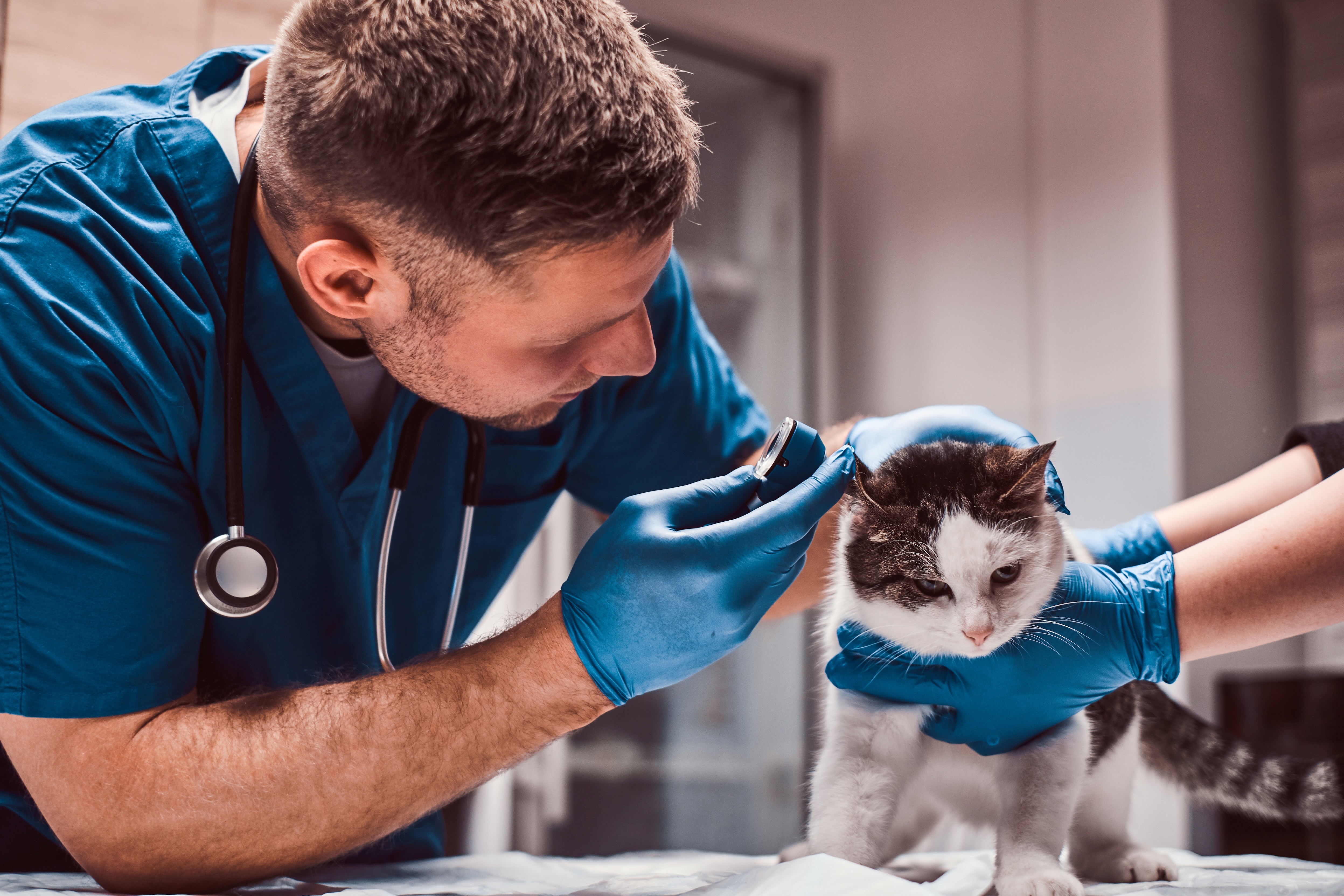
Are you a team member in a veterinary practice?
Are you a pet parent planning a trip with your furry pal?
Pet Travel Insurance: A Practical Guide for Owners and Vets
You're packing a folder of vet records, double-checking a rabies certificate, and trying to remember whether the airline wanted the health form uploaded 10 days before departure or 14. Then the dog gets an upset stomach the week before the flight, and the whole plan suddenly feels like a stack of dominos. That's the moment many travelers start asking whether pet travel insurance belongs on the checklist, right alongside the microchip scan and the destination paperwork.
For pet owners, the confusion is usually simple. For veterinary teams, it's familiar in a different way, because the same trip can involve a health certificate, airline rules, destination entry rules, and a coverage question that doesn't fit neatly into “medical” or “travel.” A good planning guide should make those pieces line up instead of turning into a scavenger hunt.
If you've ever searched for a practical trip outline, PetScy's travel guide for dogs is a useful companion read, and the hidden costs of pet travel-don-t-realize-until-it-s-too-late) are often the primary reason a trip gets messy. This guide is built for both sides of the exam room counter, owners trying to protect a trip, and practices trying to keep the paperwork from going sideways.
A Familiar Travel Day That Goes Sideways
The file is already thick. Vaccination dates are checked, the export certificate is half complete, and someone is calling to ask whether the airline accepts a digital copy or wants wet ink on the final form. Then the pet starts vomiting, and suddenly the trip isn't just inconvenient, it's at risk of becoming expensive.
That's why pet travel insurance gets overlooked until the moment it matters. People hear “insurance” and think only about medical bills, but travel problems have a habit of showing up as a messy mix of care, timing, and paperwork. A sick pet can trigger a vet visit, a missed flight, a rebooking fee, a compliance issue, or all four at once.
Why the checklist matters before the suitcase does
The strongest travel plans don't start at the airport. They start when the owner asks whether the pet's trip has enough protection for what could go wrong, and whether the policy matches the actual journey, not just the idea of the journey. A basic overview from Passpaw helps show how the transport side of a trip creates costs that owners often underestimate.
A lot of readers also find it useful to compare the trip plan against a plain-language owner resource like Global Pet Sitter's insurance tips, because the main question is usually not “Do I need insurance?” but “What kind of problem am I trying to protect?”
Practical rule: if the trip depends on perfect paperwork and tight timing, treat insurance as part of the travel plan, not a separate add-on.
That's the lens for the rest of this guide. The focus is what pet owners and veterinary practices need to know when a trip crosses a border, a certificate, and a claims form.
What Pet Travel Insurance Precisely Is
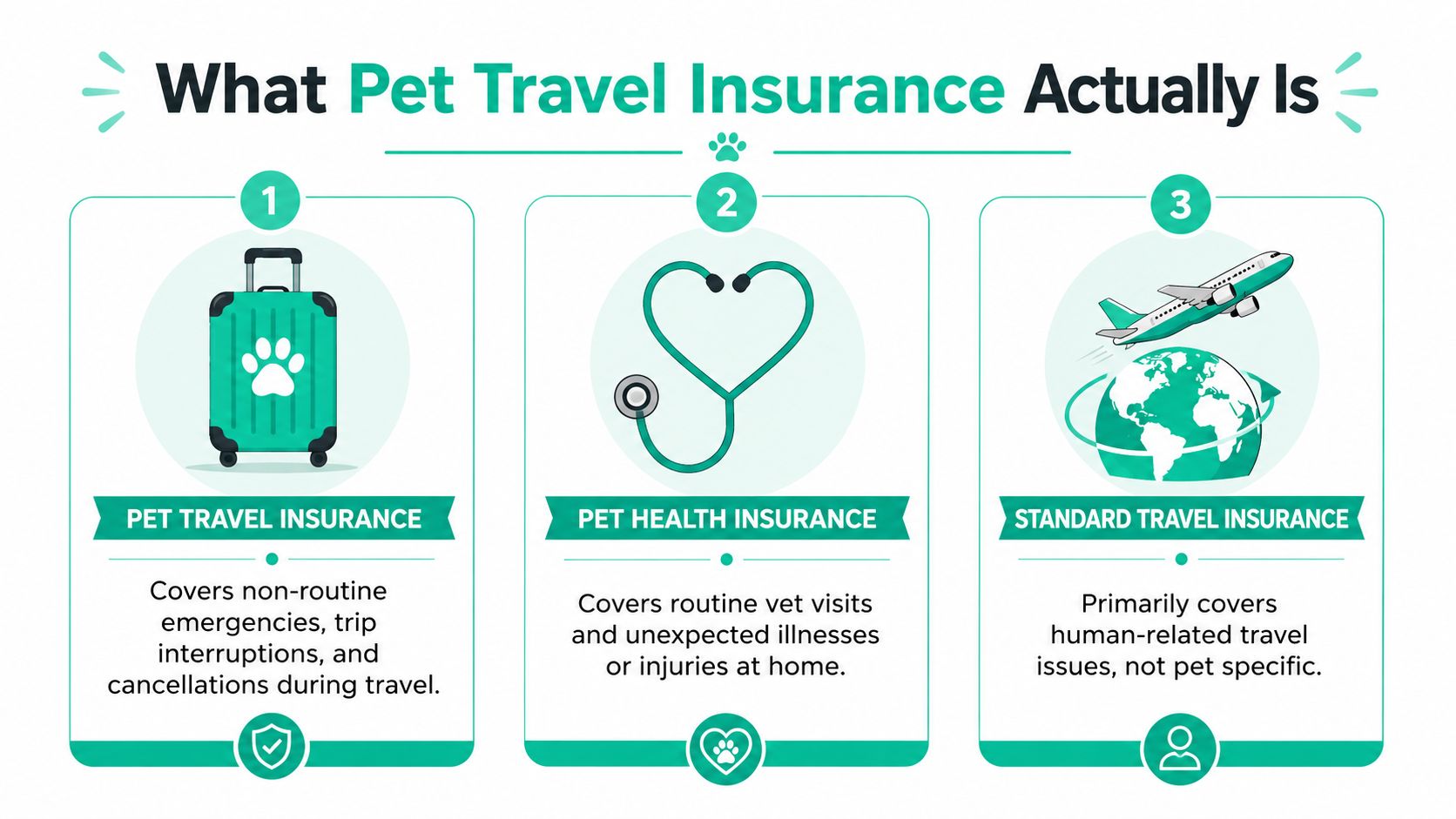
A pet's trip can look simple on the calendar and still create three different insurance questions. One policy follows the animal's health day to day, one protects the human journey, and one is built around what happens while the pet is in transit. They can overlap, but they are not interchangeable.
Pet travel insurance is usually a transit-risk policy. It is tied to a specific journey, not to routine care at home. Depending on how the policy is written, it may respond to injury, illness, death, or loss during travel, and some plans also extend to interruption, kennelling, return transport, or transport-related liability Pawlicy.
Pet health insurance is the home-base umbrella. It is designed for ongoing veterinary care, accidents, illnesses, and treatments that happen outside the travel window. Standard travel insurance for people is the third umbrella, and it usually focuses on the human side of the trip, not the pet's needs. A family can feel well covered on paper and still find a gap once the pet enters the itinerary.
The practical difference in claims
The difference becomes clear when something goes wrong and the owner has to file a claim. A pet travel claim usually needs proof that the problem happened during the covered journey, so the paperwork has to line up with the trip dates and the event has to connect back to travel itself. That is a different setup from a general vet claim.
A policy can look broad and still fail if the event happened outside the trip window or outside the covered route.
Owners often run into trouble here because the label on the policy sounds familiar while the coverage rules are not. A pet policy at home may cover a broken leg in one country, but not the same injury while the animal is abroad during a move. A human travel policy may protect baggage and hotel nights while saying very little about emergency care for the dog or cat.
A plain-language reminder from pet owner insurance tips can help sort out those differences before the trip starts. For the logistics side, Passpaw's transport-cost guide is a useful reminder that travel protection and travel expenses usually belong in the same planning conversation.
The three-umbrella test
If the pet needs ongoing care at home, pet health insurance is the closer fit.
If the traveler needs protection for flights, hotels, or cancellations, standard travel insurance is the closer fit.
If the pet's problem is tied to the trip itself, pet travel insurance is the umbrella to check first.
That test keeps the policy search grounded in actual risk, not the marketing label. It also helps owners avoid assuming one policy will do the work of three.
Coverage, Exclusions, and the Fine Print That Bites
The headline benefits are the part owners usually notice first. Many policies are written to help with emergency vet treatment, trip cancellation tied to a pet illness, and loss or theft during transit. Broader plans may also include quarantine costs, pet return, boarding, or transport-related liability.
The catch sits in the exclusions and the trip rules. Independent explainers note that common exclusions can include pre-existing conditions, brachycephalic breed issues, behavioral problems, cosmetic procedures, and failures to follow destination rules Pet Fly Check. Some policies also only apply for a specific trip length, often somewhere in the 30 to 90 day range, and some restrict the countries that count as covered destinations MoneySuperMarket.
A policy can sound generous and still leave a large gap if the trip runs too long or the destination is not on the approved list. That is especially frustrating when the problem is technical rather than dramatic. A missing document, a wrong date, or a route change can turn into a denied claim if the policy says the trip was not compliant.
Commonly covered | Commonly excluded |
|---|---|
Emergency vet care during travel | Pre-existing conditions |
Trip cancellation tied to a pet emergency | Routine care and preventive care |
Loss or theft in transit | Behavioral problems |
Quarantine costs in expanded plans | Cosmetic procedures |
Return transport or kenneling in some plans | Noncompliance with destination rules |
The cleanest way to read a policy is to ask what it pays for and what it refuses to touch. If you are checking documents at the same time, Passpaw's documentation verification guide matters because many denials begin with a paperwork mismatch, not a medical dispute.
Two places readers miss the fine print
One is the destination list. If the country is not covered, the policy may look intact right up until the claim reaches the desk. The other is the timing of the trip itself. A long relocation can fall outside a shorter policy window even if the pet never leaves the airport.
Practical rule: if the policy is built around a short journey, do not assume it will stretch to match a long move.
That is the point many owners miss until they need the money. By then, the trip is already in motion.
Domestic Trips Versus International Moves
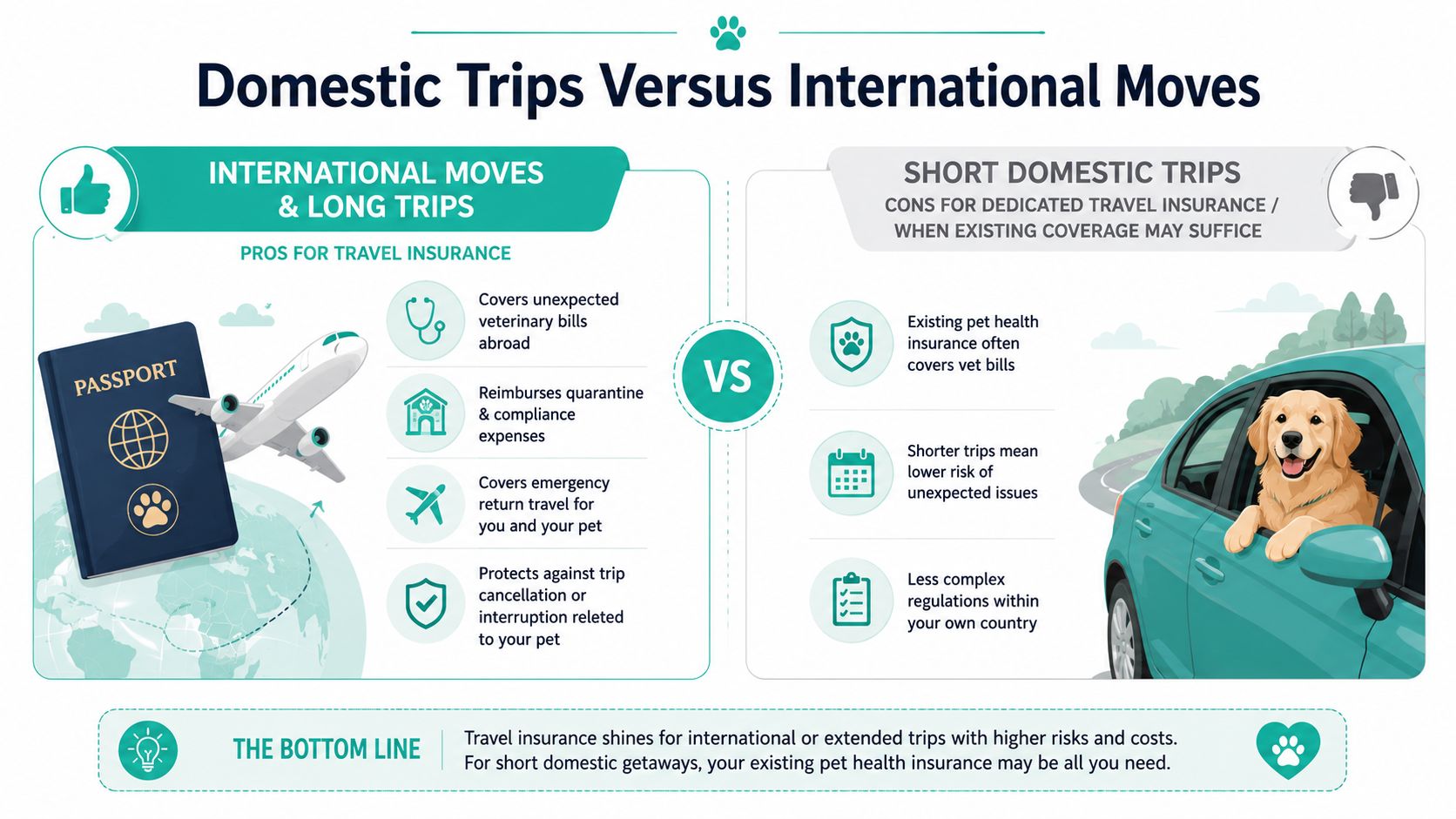
Short domestic trips and international moves live in very different risk neighborhoods. A weekend drive to visit family is one thing. A cross-border relocation with entry paperwork, destination rules, and a tight flight connection is something else entirely.
When ordinary coverage may be enough
For a short domestic trip, many owners already have enough protection through their pet's health plan and the airline's own transport rules. The vet bill risk is usually more familiar, the paperwork is simpler, and the trip doesn't usually hinge on a foreign country accepting a document at the gate. In those cases, dedicated travel insurance can feel like more than the trip needs.
When pet travel insurance earns its keep
International moves, cruises, and longer relocations are different. The exposures get broader, because the pet can need care in a place where the owner doesn't know the local system, and the trip can stall if the paperwork is rejected. That's where quarantine, rebooking, emergency return, and interruption costs start to matter more than they would on a simple domestic hop Pawtal.
A useful way to think about it is this. If the trip can fail because the pet is sick, yes, insurance matters. If the trip can fail because the entry documents are wrong, insurance and compliance both matter. If the trip can fail because both happen at once, the plan needs to be much tighter.
The overview on moving pets overseas fits this comparison well, because it shows how relocation risk rises once a trip leaves the domestic lane. For a long-haul itinerary, a dedicated policy is often a sensible layer, not because every trip ends badly, but because the failure modes are more expensive and less forgiving.
A quick decision cue
Short domestic trip: you probably need it less if your pet already has good health coverage.
Complex international move: you probably need it more if paperwork, quarantine, or rebooking could become costly.
Extended stay abroad: you should review coverage carefully, because the trip can outlast a narrow policy window.
The point isn't to oversell the product. It's to match the protection to the shape of the journey.
How to Evaluate and Choose a Policy
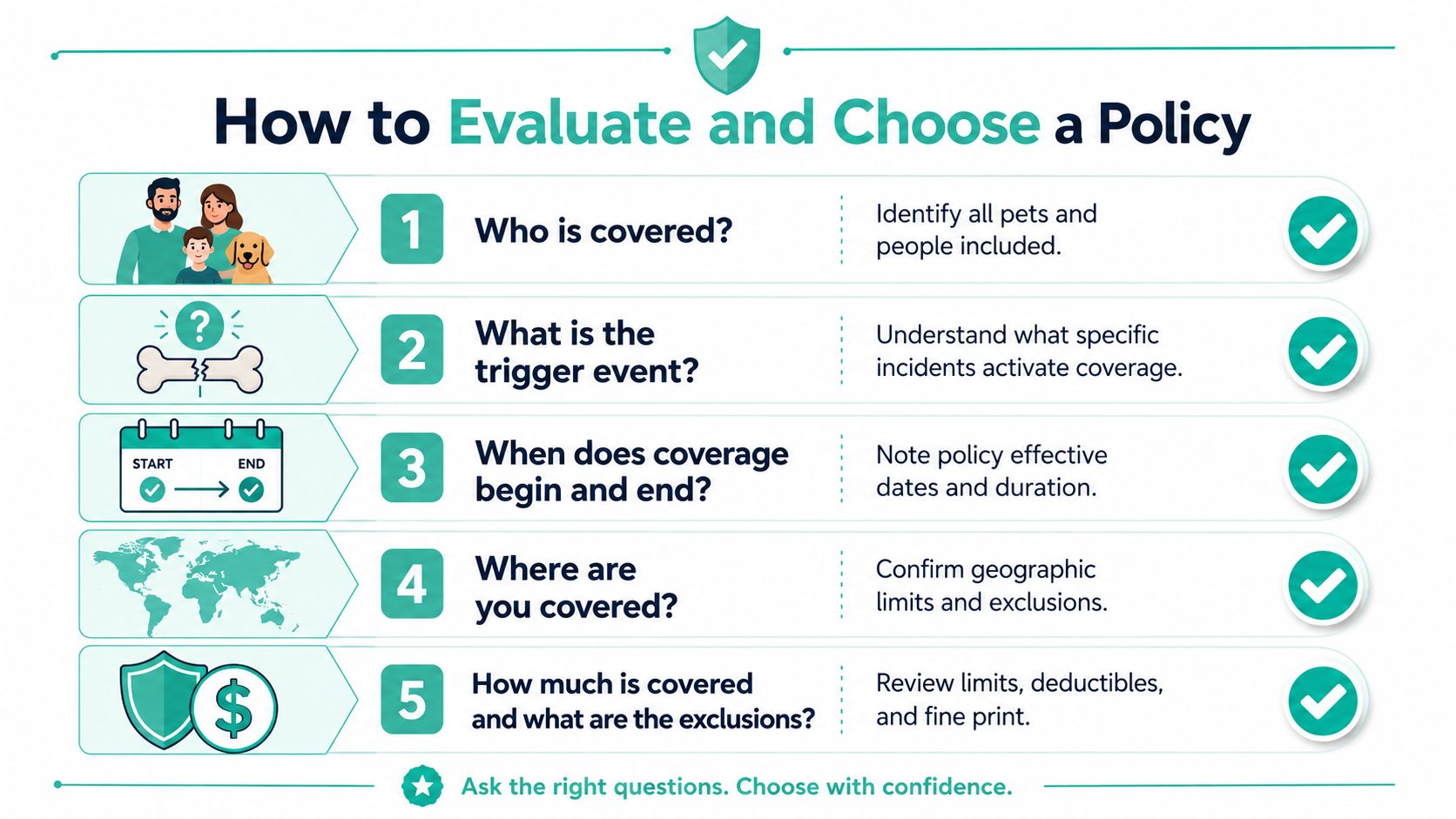
A good way to shop for pet travel insurance is to read it like a case manager, not like a casual buyer. The policy has to answer five plain questions without making you guess: who is covered, what event starts payment, when coverage begins and ends, where it applies, and what it pays.
Start with timing
The first thing to check is the purchase window. Consumer guidance often says to buy the policy within 14 to 21 days of the first nonrefundable travel payment, and some insurers set a stricter 15-day window tied to the first trip payment, with the full trip cost needing to be insured Experian. That timing matters because cancellation and interruption benefits can depend on when the policy was issued.
If the policy is bought late, the gap can be bigger than it looks. A trip that already has deposits, airline bookings, and certificate deadlines can leave fewer recovery options if something changes.
Then check the policy mechanics
Ask these five questions before you sign anything:
Who is covered? Make sure the policy names every pet and, if relevant, every traveler it protects.
What triggers payment? Check whether the policy responds to illness, injury, loss, death, delay, or another event.
When does coverage begin and end? Match the dates to the trip, and confirm any purchase deadline.
Where are you covered? Read the country list and any route limits carefully.
How much is covered and what is excluded? Review payout caps, deductibles, and exceptions.
A policy can look fine on paper and still fail your trip if one answer does not fit the itinerary. That is why the document review matters just as much as the quote.
Practical rule: if the destination list is vague, the breed exclusions are vague, or the refund rules disappear when a form is late, keep looking.
For clinic teams that handle travel paperwork, Passpaw can help organize international pet travel documents and destination requirements in one place. That kind of structure matters because the policy and the certificate often rely on the same trip details.
Red flags to slow down for
A policy deserves extra scrutiny if it hides the country list, gives different answers about claim timing in different sections, or buries breed restrictions in an appendix. Those are the kinds of details that can turn a covered trip into a denied claim after the pet has already left.
A simple test still works well here. If you cannot explain the coverage to someone else in plain language, you probably do not understand it well enough yet.
Where Pet Travel Insurance Meets Health Certificates
The biggest travel failure is often not the vet bill. It's the compliance failure that starts the trouble, a document rejected at the border, a quarantine notice, a denied boarding decision, or a rebooking scramble that was never supposed to happen. That's why document accuracy is a financial risk, not just a paperwork annoyance.
Insurance and certificates are part of the same chain
International health certificates, USDA endorsements, airline rules, and destination requirements all feed into whether a trip counts as valid in the eyes of the insurer and the carrier. If the paperwork is incomplete or the pet doesn't meet the destination's entry rules, the owner can end up paying for the mistake in more than one way. The travel problem becomes medical, logistical, and administrative at once.
That's where platforms like Passpaw fit naturally into the process. Passpaw is built for international pet travel compliance, with tools for managing health certificates and destination requirements, plus real-time document validation and task prioritization based on travel dates and pet information. In plain terms, it helps reduce the chance that a travel file slips through with a missing detail.
Why the claim file gets easier when the trip file is clean
A neat certificate file can make a claim easier to support because the owner can show the trip was handled properly. It can also help when an insurer wants proof that the journey was compliant before paying a travel-related claim. That matters most when the loss is tied to interruption, quarantine, or a rebooking decision that followed a documentation problem.
For veterinary practices, this is also a service issue. When the certificate process is messy, the practice gets pulled into the follow-up questions, and the owner often expects help explaining why the claim stalled. A cleaner workflow reduces that friction before it becomes a complaint.
A pet travel claim usually gets harder, not easier, when the certificate record is incomplete.
The article's earlier sections on coverage and exclusions sit right beside this one for a reason. Insurance can't fix a rejected document, and a perfect document doesn't replace protection for a trip that goes wrong. The two systems work best when they're built together.
A Practical Pre-Trip and Claims Checklist
The best time to sort out a claim is before the trip starts. The second-best time is the day something happens, when the owner still has receipts, dates, and contact details in one place.
Before departure
Save every record. Keep vaccination pages, certificate copies, and the policy PDF in one folder.
Confirm the destination list. Make sure the country or route is covered.
Photograph the paperwork. Take clear images of the policy, health certificate, and any confirmation emails.
Write down the emergency line. If the insurer has a 24/7 number, store it where you can find it fast.
During travel
If the pet needs care, keep every receipt and ask the treating vet to itemize the invoice clearly. That helps the claim line up with the insurer's form later. A practical owner resource like Haute Jets' pet travel advice can also be useful for travelers who want to think through the flight-day details before they're in the airport.
After the trip
File the claim within the insurer's window, attach the supporting documents, and keep a copy of everything you submit. If a claim is denied, ask for the reason in writing and compare it against the policy wording before you resend anything. That keeps the tone professional and the paper trail clean.
Practical rule: a clean claim package usually starts with a clean travel file.
For clinics, this checklist is easy to hand to clients without adding a lot of explanation. It gives the owner something concrete to do, and it gives the practice a cleaner story to point back to if questions come later.
Questions Vets and Owners Ask Most
Is pet travel insurance the same as the airline's liability?
No. Airline liability is about the carrier's responsibility, while pet travel insurance is about the policy you buy for the pet's trip-related risk. They can overlap in a case, but they're not the same thing.
Can older pets or specific breeds be covered?
Sometimes, yes, but the policy wording matters. Breed exclusions and age-related limits can appear in the fine print, so the buyer needs to check the policy rather than assume coverage exists.
What if the destination changes its rules after the trip starts?
That's a tough one, because the policy and the entry rules both matter. If the trip becomes noncompliant, the owner should review the policy wording and the claim rules right away, since some plans require the traveler to follow the destination requirements closely.
Can a veterinary practice recommend a specific insurer?
A practice can usually help clients compare features, timing, and document needs without turning the conversation into a sales pitch. The safest approach is to stay operational, not promotional, and focus on whether the policy matches the trip.
What matters most when owners get confused?
They usually mix up medical coverage, trip coverage, and compliance coverage. Once those are separated, the decision gets much easier, and the checklist from the earlier sections becomes useful again.
If you're helping clients move from uncertainty to a real travel file, Passpaw gives veterinary teams a way to manage international health certificates and destination rules in one workflow. Visit Passpaw to see how a cleaner compliance process can support the pet travel plans you're already helping clients build.

More articles
From regulatory changes to best practices for veterinarians and pet owners, our resources keep you ahead of the curve.