Are you a team member in a veterinary practice?
Are you a pet parent planning a trip with your furry pal?
Health Certificate for Dogs to Germany: What You Need
You've probably already picked the crate, checked airline pet rules, and made a packing list for your own flight. Then you look up the health certificate for dogs to Germany and suddenly the simple part of the trip feels like the dog paperwork. That's normal.
Most first-time owners expect one vet visit and one stamped form. Germany entry works more like a relay race. One step hands off to the next, and if the order or timing slips, the whole plan can chase its tail.
Why Taking a Dog to Germany Feels Like the Hardest Part of the Trip
Your suitcase is open, the crate is by the door, and your dog thinks this is all very exciting. You, meanwhile, are comparing airline pet rules, checking vaccine records, and maybe trying to find a Germany eSIM online before you land.
Then one detail changes the whole mood. The health certificate for dogs to Germany has to fit the travel date, not just exist.
That is why this part feels so hard for first-time international dog owners. German entry checks follow an identity-first logic. Officials want to see which dog this is, whether that exact dog has valid rabies protection, and whether the certificate connects those facts in the right order.
Germany's pet-entry logic is simple at heart. First prove which dog this is. Then prove that dog has valid rabies protection. Then prove the official paperwork ties those two facts together.
A lot of owners expect the paperwork to behave like a passport application. File it early, store it in a folder, and stop thinking about it. Germany dog entry works more like a dated boarding pass. If the timing is off, the document can be perfectly real and still useless for that trip.
Two dates cause a lot of the stress. One is the entry window. For many dogs traveling from a non-EU country, the official certificate must be issued close enough to travel that you enter Germany within 10 days of issue, as explained on the USDA APHIS Germany pet travel page. The other is the certificate format change coming on October 1, 2026. Owners traveling near that switch need to make sure their vet uses the version in force for their departure date.
That is where careful people get tripped up. They may have the microchip done, the rabies shot on record, and a flight booked, but one piece happened in the wrong order or too early to match the certificate window.
The usual pressure points are pretty simple:
Identity comes first. The microchip details have to line up with the vaccine record and the certificate.
Waiting periods are real. Some steps need calendar time, even if your flight price is rising.
The final certificate is date-sensitive. It is tied to your arrival timing, not something to collect months ahead.
The form itself can change. Travel near October 1, 2026 needs extra attention to the certificate version.
If you are also planning life after landing, this guide to having pets in Germany helps with the practical side beyond the airport.
Once you see the process as a timing workflow instead of a stack of forms, the whole Germany plan gets easier to organize.
The Three Building Blocks of Every Germany Health Certificate
Every Germany health certificate stands on three parts: a microchip, valid rabies protection, and an official veterinary certificate. German border checks start with identity first, then match the health record to that identity, then confirm the certificate ties it all together under the German customs pet import rules.
That order matters more than many first-time travelers expect.

Layer one is the dog's identity
The microchip is the reference number for the whole trip file. Customs officers and vets use it to check that the dog in front of them is the same dog named on the vaccine record and the certificate.
German customs also notes that animals newly marked since 3 July 2011 must use a microchip. The chip or tattoo number listed on the paperwork has to match across the full record. If even one digit is off, the problem is not cosmetic. It breaks the chain between dog, vaccine, and certificate.
If you want a simple general refresher on health certificates and microchips for pets, it helps to view the chip as the file number your vet and border staff keep checking against every other page.
Layer two is rabies protection
Rabies proof is the health piece that Germany pays the closest attention to for dog entry from outside the EU. A vaccine record only helps if it is linked to the right dog and still counts as valid for travel.
For puppies and first-time rabies shots, this catches owners off guard. Your dog can be vaccinated and still not be travel-ready yet because the waiting period must finish before the certificate can support entry. That is why the process works better as a schedule problem than a stack-of-paper problem.
A practical habit helps here. Ask the clinic to scan the microchip before they prepare or sign anything, then compare that number against the rabies certificate line by line.
Layer three is the official certificate
The official certificate is the document that combines identity and rabies status into one signed travel record. It confirms that an authorized veterinarian checked the dog and completed the form required for entry.
A routine exam note or vaccine receipt is not enough on its own. The certificate is the piece border staff use to connect the dog's chip, the rabies details, and the travel dates. For many non-EU departures, that date link becomes especially important because the certificate has to fit the arrival window described earlier.
If you want to see what that paperwork looks like before your appointment, review this sample European Union pet health certificate form. It makes the vet visit easier because you already know which details must match exactly.
EU Pet Passport Versus Non-EU Health Certificate
A common mix-up happens when an owner hears “EU pet passport” and “health certificate” and assumes they do the same job. They do not. The easiest way to sort them is to ask one question first: is your dog already inside the EU travel system, or is Germany the first EU border you are crossing with this trip?
That question matters because German entry checks follow identity first, then document type. Border staff are trying to match one dog to one record set on one travel date. So the document is less like a general pet file and more like the correct boarding pass for the route you are taking.
Feature | EU Pet Passport | Non-EU Health Certificate |
|---|---|---|
Who usually uses it | Dogs already traveling within the EU system | Dogs entering Germany from outside the EU |
Where it comes from | Issued inside the EU or in places that qualify under that system | Issued for travel from a non-EU country |
Who signs it | An authorized veterinarian working within the EU passport system | For U.S. travel to Germany, the certificate is issued through the USDA export process by an accredited veterinarian or military veterinarian, depending on the case |
How long it works for entry | Used as an ongoing travel document as long as the rabies record stays valid | For entry into the EU, the certificate must be issued within the 10 days before arrival (EU rules for travelling with pets) |
What happens after entry | Continues as the dog's travel record while valid | After entry, it can usually be used for onward movement within the EU for up to 4 months, or until the rabies vaccination expires, or until the passport is replaced by an EU pet passport, whichever comes first |
Who should watch the 2026 change | Owners already using passports inside Europe should still confirm current practice before travel | U.S.-origin travelers should watch for the upcoming switch to the new EU non-commercial certificate model on 1 October 2026. Certificates endorsed on or before 30 September 2026 remain valid under the current process |
A simple way to decide helps. If your dog already has a valid EU pet passport and is traveling within that system, the passport is usually the right lane. If your dog is starting outside the EU and Germany is the first EU stop, you will usually need the non-EU health certificate.
Timing is the part that catches people. A passport works more like a standing travel record. A non-EU certificate works more like a dated departure document, because the 10-day entry window controls whether it can support that arrival.
Pick the document by route and timing, not by which name sounds familiar. That one shift in thinking prevents a lot of last-minute problems.
Timing the Whole Process From Rabies Shot to Arrival
You pick a flight, reserve a crate spot, and feel almost done. Then the dates start bumping into each other. The rabies shot has its own clock. A blood test, if your route requires one, adds another. The certificate has a short entry window. Germany entry paperwork works less like a stack of forms and more like a trip timeline that has to line up cleanly.
Start with identity, because customs does too.
For non-EU travel into Germany, your dog's microchip or approved tattoo is the thread that ties the whole file together. The chip number needs to match the rabies record, the certificate, and any lab paperwork if antibody testing applies. If one digit is off, the file stops reading like one dog and starts reading like mixed records.
That is why good clinic teams scan first, write second, and check the number again before anything is signed.
If you are still sorting out what documents count, this guide to proof of rabies vaccination helps you gather the right record before the certificate visit.

Then count the waiting periods
The next part is pure calendar math. A puppy with a first rabies vaccine cannot travel right away, because the vaccine and the required wait after it must both be complete before the certificate can support entry. That catches first-time owners all the time. The vet visit may be done, but the travel clock is not.
Some routes add a second timeline. If your dog is coming from a country that falls under the extra rabies antibody testing rule, the blood sample has to happen after the rabies vaccine has had enough time to count, the test has to be run by an approved lab, and then another waiting period applies before travel. In practice, that blood draw date often becomes the date that controls the whole trip.
So if your route requires titration, plan around the lab timeline first and the flight second.
Last comes the certificate window
The health certificate is the final timed step, not the starting point. For dogs entering the EU from outside it, the certificate must still fall within the short pre-arrival window noted earlier. In plain language, if the certificate is signed too early, it can expire for entry before your dog lands. That is why this process feels stressful even for organized owners.
The key date is arrival in Germany. Work backward from landing, not forward from the day your clinic has an opening.
This is also the section of the process where the upcoming certificate change matters. U.S. travelers should watch the USDA APHIS Germany pet travel page because the non-commercial certificate model changes on 1 October 2026, and certificates endorsed on or before 30 September 2026 stay under the current path (USDA APHIS Germany pet travel page).
Map the five dates in order
A simple order keeps the process straight:
Microchip date: Confirm your dog can be identified by one clear number.
Rabies vaccination date: Make sure the shot is valid for travel and tied to that same dog.
Blood sample date, if required: Add this only if your country of origin triggers the antibody test rule.
Certificate signing and endorsement date: Book this close enough to departure that your entry timing still works.
Arrival date in Germany: Treat this as the anchor for every earlier step.
Owners who do well with Germany entry usually do one thing differently. They stop asking, “When should I get the certificate?” and start asking, “What is my arrival date, and what has to be true before that day?”
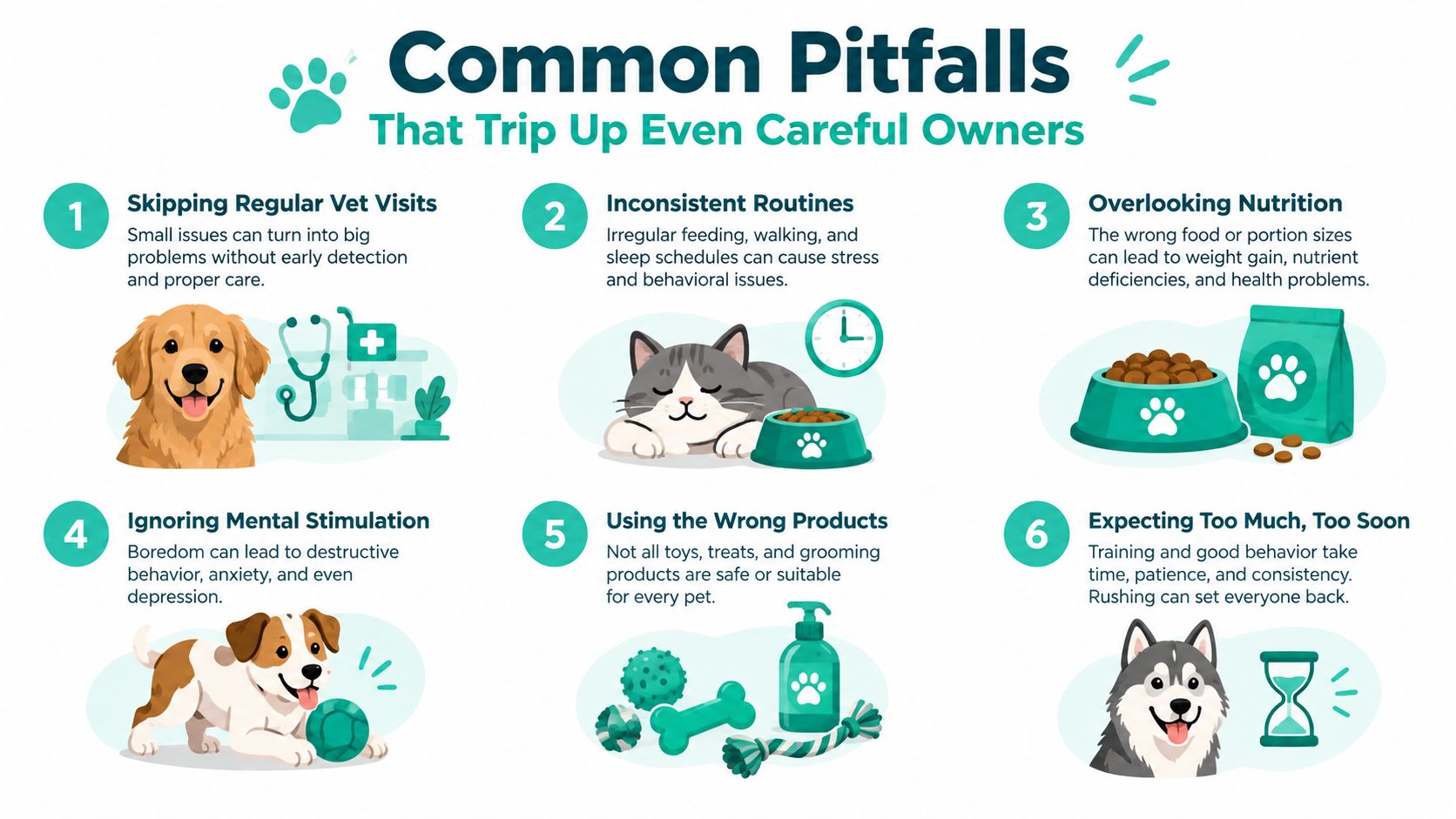
Common Pitfalls That Trip Up Even Careful Owners
A lot of owners get every big step right and still run into trouble because one small detail breaks the chain. Germany entry works like an identity check first and a document check second. Border staff need to see that the dog in front of them, the microchip, the rabies record, and the certificate all describe the same animal, in the right order, within the valid travel window.
Those are workflow mistakes, not “bad pet owner” mistakes.
The mismatch problem
The easiest way to picture this is a chip-number typo.
Say your dog's microchip ends in 4821, but one document shows 4281 because someone copied it by hand during a busy appointment. Everything else may be correct. The rabies shot is valid. The certificate was signed on time. Your flight is booked inside the 10-day entry window. But the identity trail now points to two different dogs on paper.
That is why careful owners pause before signing anything and compare the chip number line by line across every record. Scan the chip at the clinic if possible. Then match that number to the rabies certificate and the travel certificate before the paperwork leaves the office.
The country-of-departure problem
Departure country can change the process. Some owners plan around the dog's home records and forget that Germany also cares where the trip is starting from.
If your route triggers the added rabies blood-test rule, follow the timing explained in the earlier section. The common mistake here is not the lab result itself. It is discovering too late that the dog's departure country puts the trip into a different lane than expected.
This comes up often with long stays, relocations, or multi-country itineraries. A dog that began in one country may be entering Germany from another, and that starting point can affect which documents need to be ready before travel day.
The issuer problem
Another snag is using a paper that looks official but is not the correct travel document. A routine vet note, vaccine summary, or clinic letterhead does not automatically count as the certificate Germany expects. The certificate has to be issued by an officially authorized veterinarian, according to German mission guidance.
This point matters even more with the certificate model change coming on 1 October 2026. Owners who pull an old form from a folder, or clinics that rely on an outdated template, can end up preparing the wrong document even if the medical information is accurate.
The timing-window problem
Some mistakes only show up because the calendar is tight. The certificate is not just “done” once it is signed. It has to line up with your actual arrival date.
A common example is a flight change. An owner books everything correctly, then the airline moves the trip or the owner switches to a later departure. If that pushes arrival outside the certificate's entry window, the paperwork can fail without any medical problem at all.
That is why the safest habit is to treat flight changes like document changes. Recheck the dates every time the itinerary moves.
Border review usually goes more smoothly when the identity trail is clean first. One dog, one chip number, one matching rabies record, and one correctly timed certificate.
How Passpaw Keeps the Certificate Workflow on Track
The hardest part of Germany pet travel isn't learning each rule by itself. It's keeping the order, timing, and documents aligned while life is busy. That's where a workflow tool can help.
One place for the moving parts
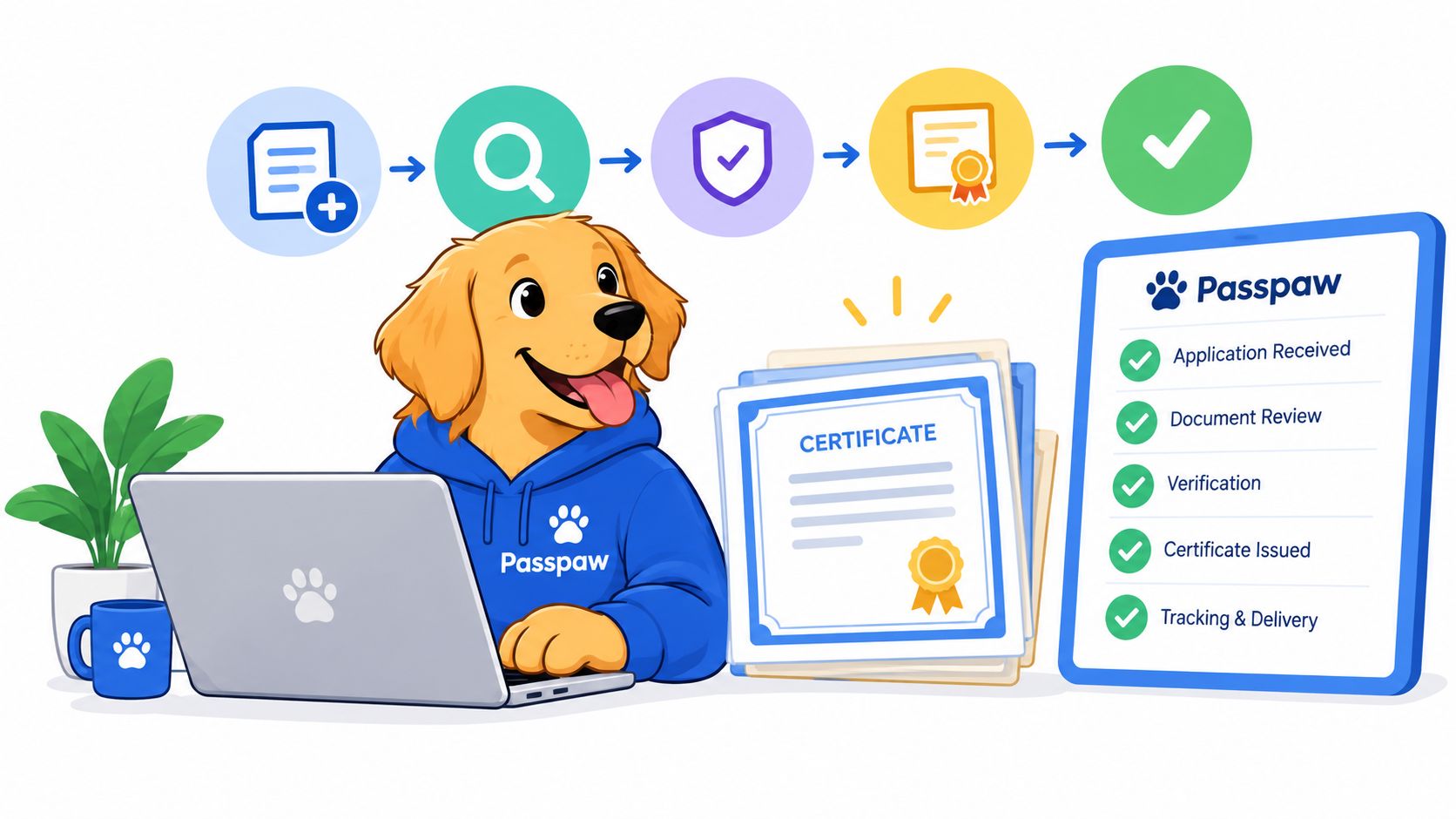
A platform such as Passpaw can organize the chip record, rabies paperwork, and destination requirements in one file path instead of leaving owners to manage screenshots, PDFs, and handwritten notes. It's designed around international pet-travel health certificates, so the steps are presented as a sequence rather than a pile of forms.
If you want to see how that kind of guided process works in practice, Passpaw's pet travel workflow tools show how document collection and task tracking can be handled in one place.
Why the workflow angle matters
The value isn't that a dashboard looks tidy. It's that timing mistakes often happen when owners and clinics are working from different calendars and different versions of the same records.
A good workflow system can help with things like:
Document checks: Flagging when a chip number or vaccine detail is missing from the file.
Task order: Showing that identity and rabies records need to be settled before the certificate appointment.
Date awareness: Counting down key travel windows so owners don't schedule the official visit too soon.
Vet coordination: Giving the clinic a cleaner packet to review before signing day.
Better handoff to the vet
That last point matters more than people expect. Many delays happen because the final certificate appointment becomes a document-hunting exercise. Owners are searching old vaccine PDFs while the clinic is trying to confirm dates and identity details.
When the records are already grouped and reviewed, the vet appointment can focus on accuracy instead of detective work. That's especially helpful for a health certificate for dogs to Germany, where small timing slips can undo a lot of careful prep.
Your Next Steps Before Booking That Flight
Keep this part simple. Don't try to solve the whole move in one sitting. Just line up the next few actions in the right order.
This week's practical checklist
Confirm the ID record: Ask your vet to scan your dog's microchip and verify that the number reads clearly and matches existing records.
Review the rabies timeline: Check whether your dog's current rabies status supports your travel date, especially if this will be a first qualifying shot for entry.
Check your route type: Figure out whether you'll travel on an EU pet passport path or a non-EU health certificate path based on where your dog is departing from.
Ask about extra testing: If your dog is leaving from a country that may trigger rabies antibody testing, confirm that early so you don't build the trip around the wrong timeline.
Book backward from arrival: Choose a target arrival date in Germany first, then schedule the certificate process around that instead of picking a random vet date that feels convenient.
Prepare one travel folder: Keep the chip record, rabies documents, and final certificate together in a single digital and printed set.
The main trick is not doing everything early. It's doing each step at the right moment.
If you're still deciding whether to track this manually or use a tool, pick the method that helps you see dates clearly and catch mismatches before your dog reaches the airport. Calm planning beats heroic last-minute scrambling every time.
Passpaw gives pet owners and veterinary teams one place to manage international pet-travel paperwork, including the identity, rabies, and certificate steps that matter for Germany entry. If you want a clearer way to track documents, validate timing, and keep the certificate workflow organized, take a look at Passpaw.

More articles
From regulatory changes to best practices for veterinarians and pet owners, our resources keep you ahead of the curve.