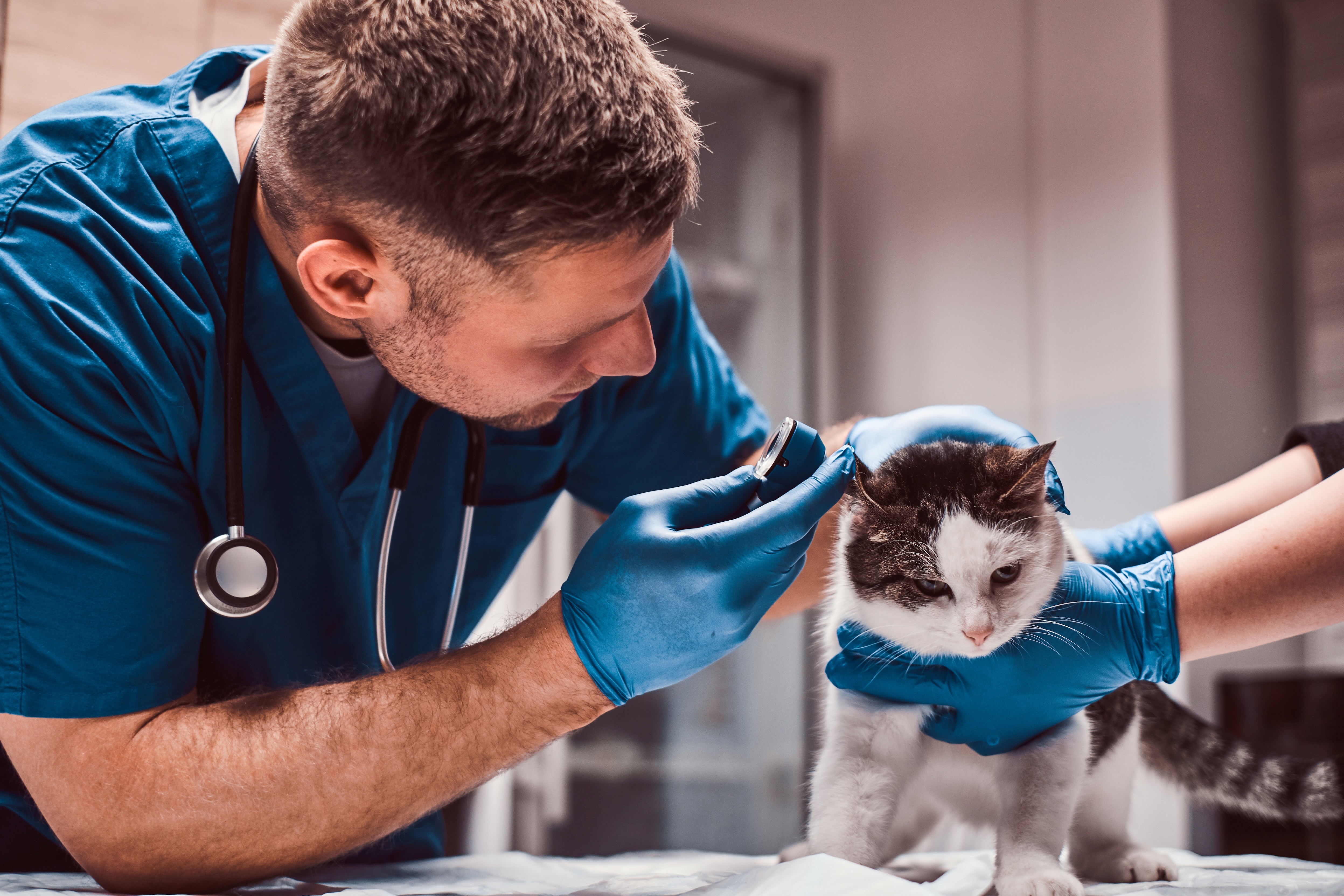
Are you a team member in a veterinary practice?
Are you a pet parent planning a trip with your furry pal?
A Paws-itively Complete Guide to Transporting Pets Across the Country
Moving a pet across the country is a big deal. It's not just another box to pack; it's about making sure your best friend has a safe, comfortable, and low-stress journey. The key is planning ahead—figuring out how they'll travel, getting all the vet paperwork in order, and prepping them for the trip itself. Whether you're driving, flying, or using a professional service, starting the process a few months early will save you a world of headaches later on.
Your Cross-Country Pet Travel Blueprint
Moving with a furry, feathered, or scaled family member can feel like a tall order, but breaking it down into smaller steps makes all the difference. Think of this as your master plan. A good timeline is everything, and it should start long before you even think about packing.
You're not alone in this, either. It’s becoming more and more common to travel with pets. In fact, over 53% of pet owners are planning trips with their animals, a trend that's changing everything from airline rules to hotel availability. This surge means more resources for you, but it also means you've got to book vet appointments and travel arrangements well in advance.
Mapping Out Your Pet’s Journey
A successful move really comes down to three main phases: creating a timeline, choosing how to travel, and getting your pet (and their documents) ready. Nail these three things, and you'll avoid that last-minute panic.
This simple breakdown shows how to approach the planning process.
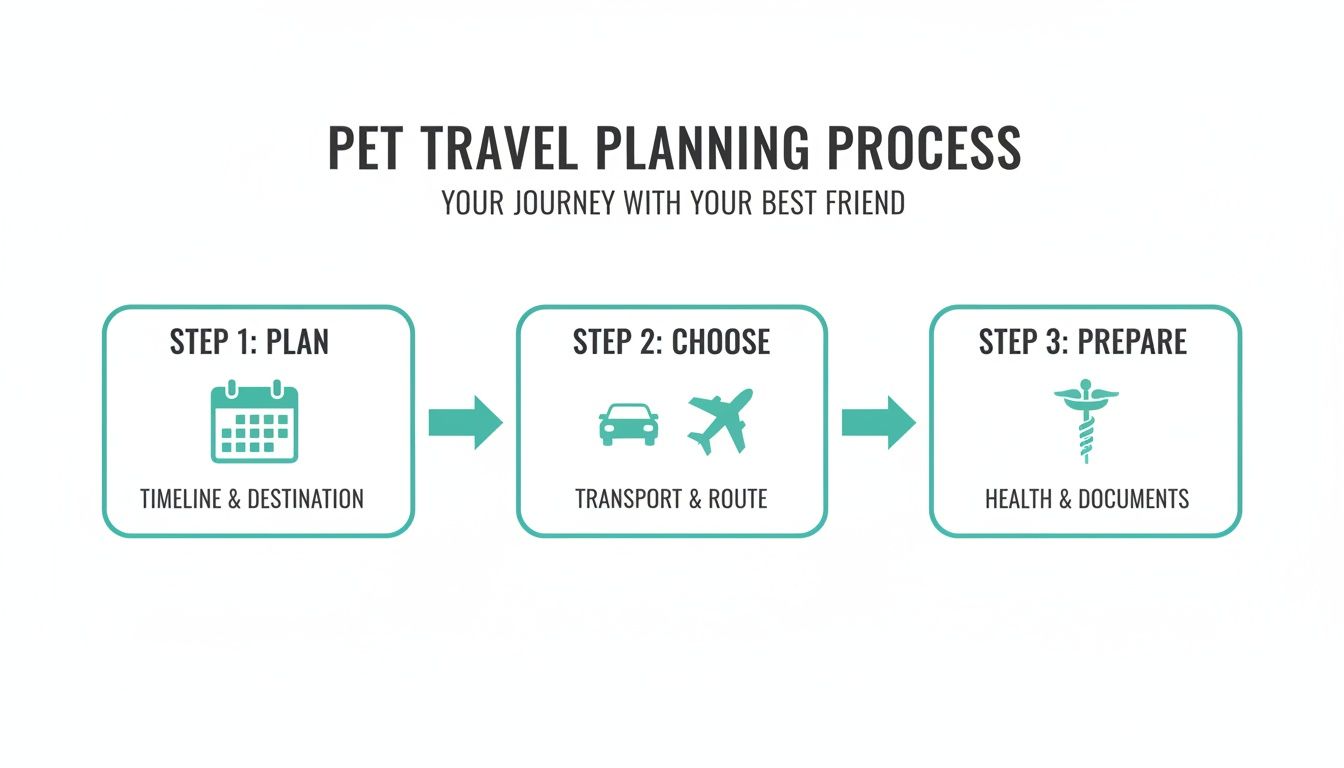
As you can see, everything flows from that initial planning stage. A little structure goes a long way.
Comparing Your Travel Options
Your first big decision is figuring out how your pet will make the trip. The main options—car, plane, or a professional pet transport service—all have their own pros and cons. What's right for you will depend on your pet's personality, your budget, and how quickly you need to get to your new home.
Pet Travel Modes At A Glance
To help you decide, here’s a quick look at how the different travel methods stack up against each other. Each one has its own set of trade-offs to think about.
Travel Mode | Best For | Key Challenge | Average Cost |
|---|---|---|---|
By Car | Anxious pets, budget-conscious owners, and maximum flexibility. | Finding pet-friendly lodging and managing long hours on the road. | Low (gas & hotels) |
By Air | Fast, long-distance moves where time is the top priority. | Navigating airline rules, breed restrictions, and weather holds. | Moderate ($200-$800+) |
Professional Transport | Complex moves, multiple pets, or owners unable to travel with them. | Higher cost and needing to trust a third-party service. | High ($500-$2,500+) |
This table should give you a starting point. Remember, what works perfectly for a laid-back cat who loves his carrier might be a terrible choice for a big, bouncy dog who gets carsick.
While we're focused on domestic travel here, if your move takes you beyond the U.S. border, you’ll want to check out resources on how to travel internationally with your pet. The rules for that are a whole different ballgame.
Ultimately, getting this groundwork done right sets you up for a much smoother journey. If you want to dig deeper into these options, our full pet travel guide has you covered. A little extra prep now ensures no detail gets missed later on.
Preparing Your Pet for the Big Trip
The secret to a smooth cross-country move isn't just about packing boxes; it's about making sure your pet feels safe and secure long before you even start the engine. A calm traveler is a well-prepared one, and the groundwork you lay now will pay off big time on moving day. It's all about turning potentially scary new things into a boring, familiar routine.
Getting a pet ready for a long trip starts with their happiness. By slowly introducing them to their travel carrier and the sights and sounds of the car, you can replace fear with familiarity. The goal here is simple: make the whole travel experience as uneventful as possible for your furry co-pilot.
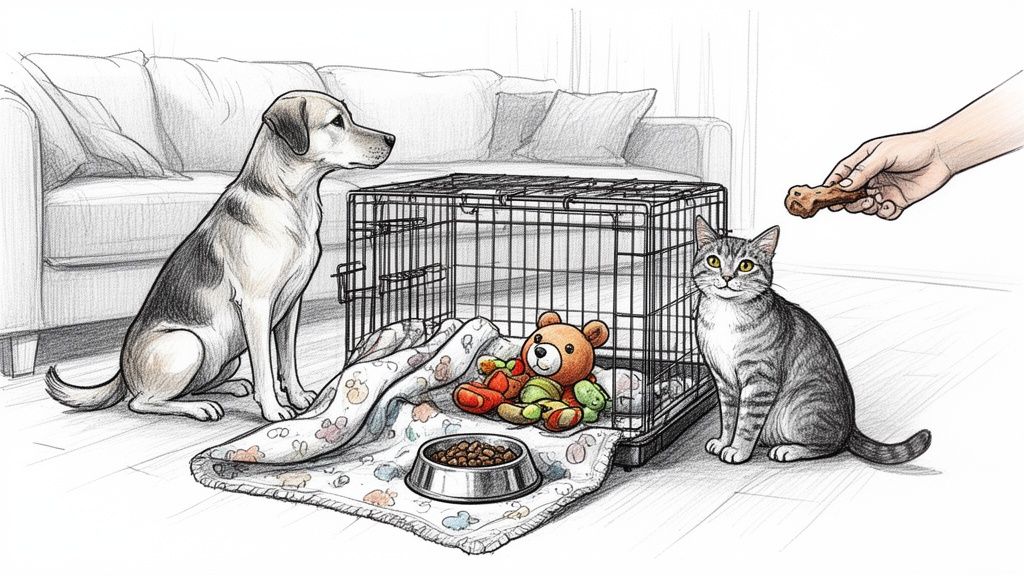
Crate Training for a Calm Journey
For most pets, a carrier is a must-have for travel. The trick is to reframe it from a scary box into their own personal, cozy den. This takes a bit of patience and a lot of positive reinforcement, so don't wait until the week before your trip to pull the crate out of the garage.
Start by just placing the carrier in your living room with the door wide open. Let your pet sniff it out on their own time. Toss some yummy treats or a favorite toy inside to get them to explore. Whatever you do, never force them in; that's the fastest way to create a bad feeling that's hard to break.
Once they're comfortable popping in and out, try feeding them their meals inside. This builds a strong positive connection. After a few days, you can close the door for just a few seconds while they're eating, slowly working your way up to longer periods. You want them to see the crate as just another safe spot, like their bed.
Key Takeaway: A pet's travel carrier should be their personal safe haven. Positive crate training builds a foundation of security that reduces travel stress, making the journey feel like a simple nap in a familiar space rather than a scary event.
Getting Used to Car Travel
Let's be honest—for many pets, the only time they see the inside of a car is for a trip to the vet. You need to flip that script. The best way to do this is with short, happy car rides that end with something they love.
First, just get them comfortable sitting in a parked car with the engine off. Offer plenty of praise and a few treats. Once that's no big deal, try a quick trip around the block, followed right away by a visit to the dog park or a special reward when you get back home.
These little "fun trips" help rewire their brain to see the car as an adventure, not something to worry about. Keep the practice sessions short and upbeat. If you notice signs of stress, cut it short on a positive note and try again another day for less time. It's a gradual process, but it's super effective at creating a happy road-tripper.
If your dog is especially prone to travel stress, it's worth talking to your vet about options like calming products or natural supplements for dog anxiety.
Packing Your Pet’s Go-Bag
Just like you have a carry-on, your pet needs an essentials bag for the journey. Keeping everything organized and within reach will save you a lot of headaches. This bag should stay with you at all times, whether you're driving or flying.
Think of this bag as a mix of necessities and comforts from home. Familiar smells are especially powerful for giving them a sense of security in a new environment.
Here’s a practical checklist of what to pack:
Food and Water: Pack enough of their usual food for the whole trip, plus a 2-3 day extra supply for unexpected delays. Collapsible bowls are a fantastic space-saver.
Familiar Comforts: A favorite toy, a well-loved blanket, or even an old t-shirt that smells like you can work wonders for easing stress.
Medications and Records: Bring any daily medications and a copy of their vaccination records. It's also smart to have your vet's contact information handy.
First-Aid Kit: A basic pet first-aid kit with antiseptic wipes, gauze, and styptic powder is a must-have for any trip.
Cleaning Supplies: Don't leave home without poop bags, paper towels, and a pet-safe cleaning spray for any messes.
Getting the Right Vet Paperwork Sorted
Let’s be honest, the paperwork for moving a pet can feel like a lot. It’s easy to get lost in the details, but with a bit of planning, you can handle it like a pro. Think of this step not as red tape, but as getting your pet an official passport to show they're healthy and ready for the journey.
Getting the right documents from your vet is one of the most important parts of the move. It helps ensure you won’t hit any snags at state lines or airline check-in counters.
The All-Important Health Certificate
The star of the show here is the Certificate of Veterinary Inspection (CVI), which you’ll probably hear called a health certificate. This is an official document that a USDA-accredited veterinarian fills out after a full check-up. It confirms your pet is in good health and up-to-date on all needed vaccinations, especially rabies.
Whether you're driving, flying, or using a pet transporter, many states ask for a CVI for any animal crossing their border. It's a common public health measure to prevent the spread of diseases. While the main idea is the same everywhere, specific rules can differ from state to state, so it’s always smart to double-check the requirements for your destination.
Key Insight: A health certificate is a ticking clock. Most are only valid for 30 days from the issue date. You have to time your vet visit just right so the certificate is still valid when you arrive at your new place.
Nailing the Timing of Your Vet Appointment
This is where a little strategy goes a long way. If you get the health certificate too early, it might expire before you complete your move. Wait too long, and you’ll be scrambling. Airlines, for instance, often ask for the certificate to be issued within 10 days of your flight.
As a general guide, scheduling your vet appointment about two weeks before you leave is a good idea. This gives you enough time to handle any unexpected issues from the exam while keeping the certificate valid for your travel dates. When you call to book, be sure to tell the clinic staff you need a "health certificate for interstate travel"—they'll know exactly what to prepare.
For a deeper dive into the specifics, check out our guide on the USDA pet travel certificate for more details.
When you go to the appointment, bring this info with you:
Your travel details: Have your old and new addresses handy.
Proof of rabies shot: Your pet’s current rabies certificate is a must.
How you're traveling: Let them know if it's by car, plane, or another method.
Final Checks: Vaccinations and Microchip Info
This vet visit is the perfect opportunity to tie up a few other loose ends. Make sure all of your pet's vaccinations are up-to-date, not just the rabies shot. It's always a good idea to travel with a complete vaccination record just in case.
This is also your moment to confirm your pet’s microchip information. A chip is only as good as the info it links to. Before your appointment, log into the microchip maker's website and make sure your phone number is correct and your new address is listed. It’s a five-minute task that could make all the difference if your pet gets lost during the chaos of a move.
Making Paperwork Less Painful
For pet owners and vets, managing travel documents can be a real headache. Between state-specific rules, vaccination timelines, and microchip details, it's easy for something to fall through the cracks. This is where modern tools are making a huge difference.
Platforms like Passpaw give vet practices cloud-based tools that help validate documents and prioritize tasks based on travel dates. For vets, this cuts down on errors and speeds up the whole process. For pet owners, it means peace of mind, knowing the paperwork is being handled correctly. By simplifying things, these tools let you focus on what really matters: getting your furry family member to your new home, safe and sound.
Choosing Your Travel Method: Car, Air, Or Transporter
Deciding how your pet will make the cross-country trek is one of the biggest calls you'll have to make. You're basically looking at three main paths: driving them yourself, putting them on a plane, or hiring a professional pet transporter. Each comes with its own set of pros and cons.
What’s right for your pet will come down to a mix of their health and personality, your budget, and how quickly you need to get from Point A to Point B.
This isn't a small-time problem, either. The pet moving market is growing fast, especially in North America, as more families, military members, and others move with their animals. This boom means more options for you, but it also means you need to do your homework to find the best, safest fit for your best friend.
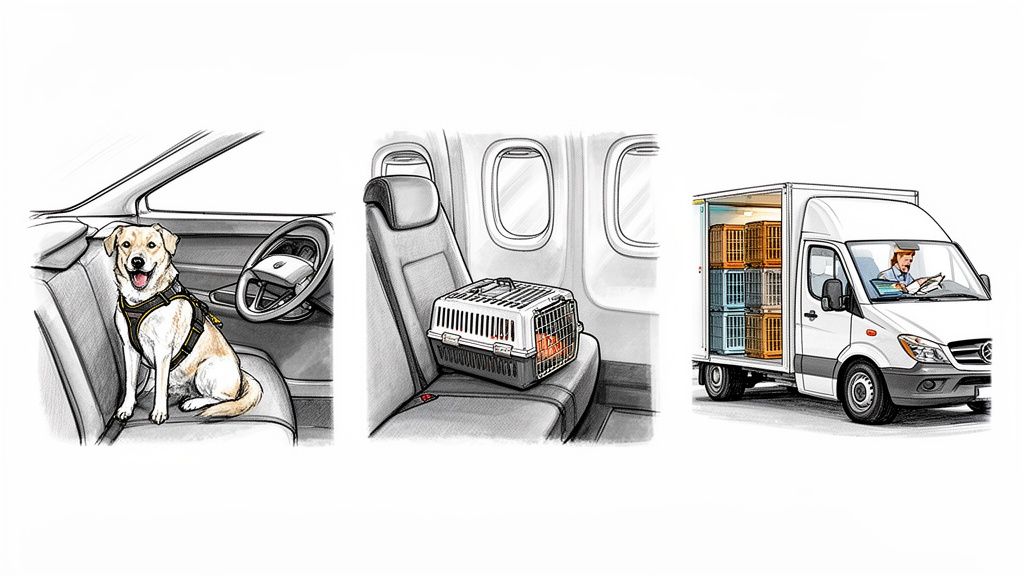
Hitting the Road: A DIY Car Trip
For a lot of us, a road trip feels like the most natural choice. Keeping your pet right there with you means you can manage their stress in real-time and have total control over the pace. It's usually the most affordable option and is perfect for pets who get anxious when separated from their people.
But let's be real—a cross-country drive is a marathon, not a sprint. You'll need to map out a route that includes breaks every 2-3 hours for potty and stretching. Finding hotels that are genuinely pet-friendly (not just "pets allowed" with a long list of rules) means booking ahead.
Most importantly, safety inside the car is a must. Your pet should be secured in a well-ventilated crate or a crash-tested safety harness. Never let them roam free in a moving vehicle. It's a recipe for disaster.
Flying the Friendly Skies: Air Travel
When you just need to get there fast, flying is your best bet. A flight can turn a multi-day drive into a journey of just a few hours. This makes a ton of sense for coast-to-coast moves or relocations to places like Hawaii or Alaska.
Of course, flying with a pet comes with a thick rulebook. You have two main options:
In-Cabin: This is the gold standard, but it's only for small pets who can fit comfortably in a carrier that slides under the seat in front of you. It's by far the safest and least stressful way for them to fly, but spots are very limited. You have to book way in advance.
Cargo: Larger pets travel in a special pressurized, temperature-controlled cargo hold. Airlines have procedures to keep them safe, but it can still be a scary experience. You absolutely must use an IATA-compliant crate, book a direct flight if possible, and watch out for temperature restrictions that prevent pet travel in extreme heat or cold.
Important Note: Many flat-faced breeds like Pugs, Bulldogs, and Persian cats are often not allowed to fly in cargo due to their higher risk of breathing problems. Always, always check the airline's specific breed restriction list before you even think about booking a ticket.
Hiring a Pro: Pet Transport Services
What if you can't travel with your pet, or the logistics just feel like too much? A professional pet transport service can be a lifesaver. These companies do this for a living, handling everything from door-to-door pickup to making sure your pet is comfortable and safe the entire way.
These services use climate-controlled vehicles and are run by people who know how to handle animals. It's a fantastic solution for complicated moves, relocating multiple pets, or for animals with special medical needs. Yes, it's the priciest option, but the peace of mind can be worth every penny.
When you're looking into a company, ask for proof of their USDA license and insurance. Dig into recent reviews and don't be shy about asking for references. A good transporter will offer regular updates with photos and even GPS tracking. To dive deeper, check out our detailed breakdown of what to look for in pet transport services.
At the end of the day, picking the right travel method is a balancing act between cost, convenience, and—most importantly—your pet's specific needs to make sure their big adventure is as smooth and stress-free as possible.
Keeping Your Pet Safe and Comfortable on the Road
The big day is here. Your bags are packed, the car is loaded, and you’re ready to hit the road. From this moment on, your focus shifts to your pet’s well-being. Getting your pet across the country safely is all about managing their comfort, anxiety, and routine, mile after mile.
Think of travel day not as one big event, but as a series of small, thoughtful actions that add up to a calm experience. It’s less about the destination and more about making the journey itself as peaceful as possible for your furry co-pilot.
Feeding and Hydration on the Go
One of the first questions that pops up is what to do about food and water. A full stomach and a bumpy car ride are not a good mix, so it's best to feed your pet a light meal about 3-4 hours before you start driving. This helps keep motion sickness away without leaving them hungry.
Water is a different story. You need to keep them hydrated, but you also want to avoid endless potty breaks or, worse, an accident in their crate. The trick is to offer small amounts of water often.
Here’s how to handle it:
Offer water at every stop. When you pull over for a break every few hours, let them have a drink from a small bowl of fresh water.
Use a spill-proof bowl. Inside their crate, a no-spill water bowl or a clip-on water bottle (if they know how to use one) gives them access to water without soaking their bedding. For more tips, check out our guide on choosing the right pet crate for travel.
Bring water from home. This is a simple but effective trick. A sudden change in drinking water can sometimes cause an upset stomach, so packing a few gallons of your own tap water helps keep things consistent for them.
This balanced approach ensures they stay hydrated without feeling uncomfortable. It’s all about finding that happy medium.
Managing Travel Anxiety
Even the most chill pet can get stressed on a long trip. New sounds, unfamiliar smells, and the constant motion can be totally new to them. Your job is to create a little bubble of calm for them in the middle of the chaos.
Many owners ask about sedation, but it’s generally not recommended for travel unless your vet specifically suggests it for an extreme case. Sedatives can throw off a pet's balance and even affect their breathing—risks you don't want to take on the road.
Expert Tip: Instead of reaching for sedatives, focus on creating a comforting environment. Natural calming aids and the power of familiar scents are often more effective and much safer for managing a pet’s travel anxiety.
Thankfully, you have plenty of safer alternatives to try.
Pheromone Sprays: Products like Feliway for cats and Adaptil for dogs copy natural calming pheromones. Just spray a little in their carrier about 30 minutes before you leave.
Anxiety Wraps: A snug-fitting vest like a ThunderShirt applies gentle, constant pressure that has a calming effect on many animals, much like swaddling an infant.
Familiar Comforts: Never, ever underestimate the power of scent. An old t-shirt that smells like you or their favorite blanket can provide a huge sense of security.
These non-medical options can make a world of difference in keeping your pet’s stress levels down. It’s all about making their travel space feel like a little slice of home, even when you're hundreds of miles away.
Your Roadside Emergency Plan
Nobody likes to think about things going wrong, but having a solid plan is the best way to handle any bump in the road with confidence. Being prepared isn't about being negative; it's just part of being a responsible pet owner.
Your emergency kit should be more than just a few bandages. It needs to be a mix of supplies, key information, and a ready-to-go mindset.
Build a Complete Safety Net:
Map Out Vets: Before you even leave, do a quick search and save the contact info for a few 24-hour emergency vet clinics along your route. Having them pre-loaded in your phone's map app can save precious time when it matters most.
Assemble a Pet First-Aid Kit: Your kit should have basics like antiseptic wipes, gauze, self-adhering bandages (the kind that doesn't stick to fur), tweezers, and styptic powder to stop minor bleeding. Don't forget to pack at least a week's supply of any prescription medications they take.
Visible ID is a Must: Even if your pet is microchipped, they should wear a collar with clearly readable ID tags at all times. The tag should include their name and your cell phone number. It’s still the fastest way for someone to reach you if you get separated.
By taking these steps, you’re prepared for the unexpected. A good emergency plan lets you relax and focus on the adventure, knowing you have everything you need to keep your best friend safe.
Arriving and Settling Into Your New Home
You made it! After all the planning, packing, and driving, you and your furry co-pilot have finally arrived. But the journey isn't quite over. This final phase is all about helping them adjust to their new surroundings and feel secure in what is, to them, a totally new territory.
The first few hours and days are key for setting a positive tone. Your pet will be looking to you for cues, so a calm and patient approach will go a long way in showing them that this strange new place is safe. Think of it as rolling out the welcome mat, one paw at a time.
Create a Safe Zone
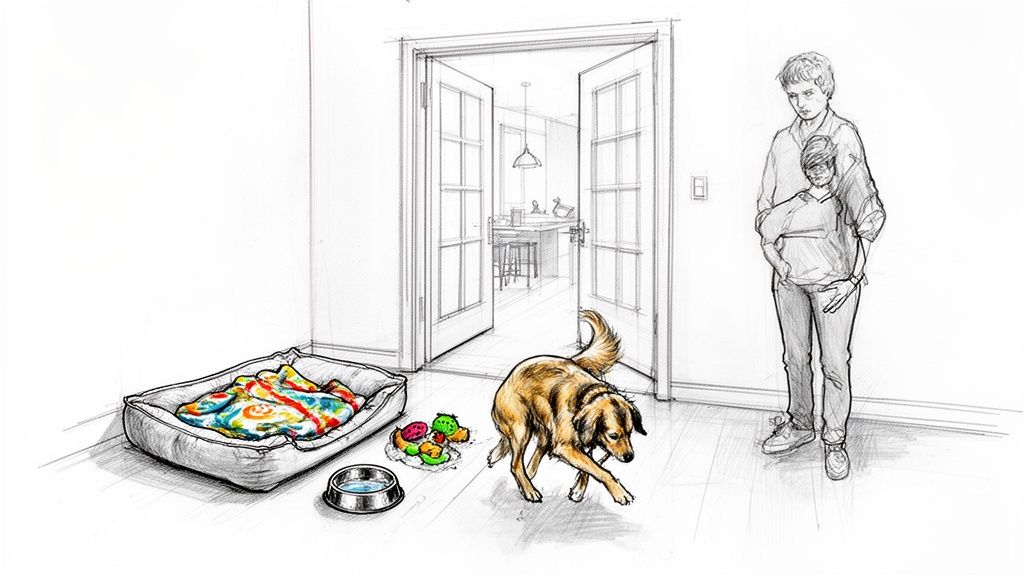
Before you let your pet have the run of the entire house, it’s a good idea to set up a dedicated "safe space" for them. A quiet room, like a spare bedroom or even a laundry room you can close off, works perfectly.
Inside this room, place all their familiar items: their bed or crate, favorite toys, and food and water bowls. This collection of familiar smells and comforts creates an instant home base. It gives them a secure spot to relax from the journey before they have to process the entire new home. Let them stay here for a few hours or even a full day, depending on their personality.
Key Takeaway: A dedicated safe space acts as an anchor for your pet in a sea of newness. By limiting their first experience to a small, familiar-smelling area, you prevent them from feeling overwhelmed and give them a secure spot to return to as they explore.
Re-establish a Routine, Fast
Pets thrive on a steady schedule. After the massive change of a cross-country move, getting back to a normal routine as quickly as possible is one of the best things you can do to lower their stress.
Try to stick to their old schedule for feeding, walking, and playtime. Even if the house is still full of boxes, taking a walk at the usual time or serving dinner on schedule sends a powerful message that life is returning to normal. This consistency helps them adjust much faster than if every day feels chaotic and different.
Getting Back on Track Checklist:
Consistent Feeding Times: Serve breakfast and dinner at the exact same times you did in your old home.
Regular Walks: Start exploring the new neighborhood with daily walks, helping them get used to the new sights and smells.
Designated Playtime: Carve out time for a game of fetch or a session with their favorite feather wand to burn off nervous energy.
Predictable Bedtime: Encourage them to settle down in their bed at their usual bedtime to reinforce a sense of normalcy.
Pet-Proof the Place and Find a New Vet
Once your pet seems ready to explore beyond their safe room, take a moment to do a quick pet-proofing sweep of the new space. Look for possible hazards like loose electrical cords, toxic houseplants, or small gaps in fences they could squeeze through. It's a simple step that ensures their first explorations are safe ones.
Finally, one of your first priorities should be to find and connect with a new local veterinarian. Don't wait for an emergency. Schedule a wellness visit within the first couple of weeks to introduce your pet, transfer their records, and get them registered in the new clinic’s system. Having a trusted vet in your contacts provides invaluable peace of mind.
Your Top Questions Answered
Even with the perfect plan, moving with a pet brings up a lot of questions. It's a huge task, and you want to get it right. Let's tackle some of the most common things pet parents ask when they're getting ready for the big move.
How Much Is This Going to Cost Me?
That's the million-dollar question, isn't it? The honest answer is: it really depends. You could spend just a few hundred bucks on a DIY road trip, or it could run into several thousand for a full-service professional transport, especially if you have a large dog.
A few key things will affect the final price:
How you travel: Driving yourself is almost always the cheapest route. Professional ground transport and flying will cost more.
Your pet's size: A Great Dane is going to need a much bigger crate and more space than a Chihuahua. That extra space costs money, especially on a plane.
The distance: A cross-country trek from California to New York will naturally cost more than moving a few states over.
When you move: Trying to book a pet transporter during the busy summer moving season can sometimes mean higher prices.
As a ballpark, you can expect to pay anywhere from $500 to over $2,500 for a professional service. If you're looking at air travel, the ticket alone often falls between $200 and $800, and that's before you even buy the airline-approved crate.
Should I Sedate My Pet for the Trip?
This is a really important conversation to have with your veterinarian, but the general thinking from vets and animal transport pros is to avoid sedation if at all possible. Sedatives can mess with your pet's ability to control their body temperature and keep their balance, which is a real risk during a long trip. It can also slow their breathing, which is a big concern at high altitudes on a plane.
So, what's the alternative? Focus on making them comfortable. Things like familiar blankets, pheromone sprays (you've probably seen brands like Feliway for cats or Adaptil for dogs), and even anxiety wraps can work wonders. The best tool, though, is positive crate training well ahead of time. It's a much safer way to ensure a calm journey.
Talk to Your Vet First: Never give your pet any medication or supplement for travel without clearing it with your veterinarian. They know your pet's health history and can give you the safest recommendation for your specific situation.
What Exactly Is a Health Certificate, and Do I Really Need One?
Think of a Certificate of Veterinary Inspection (CVI), or "health certificate," as your pet's official passport for the trip. It's a document signed by a USDA-accredited veterinarian that says your pet is healthy, free of contagious diseases, and up-to-date on their shots.
And yes, you will almost certainly need one.
Many states have rules asking for a CVI for any pet that crosses their border, no matter if you're driving, flying, or using a transporter. Airlines are especially strict and usually ask that the certificate be issued no more than 10 days before your flight. Don't skip this step—it’s the key piece of paper that proves your pet is good to go.
What's the Absolute Safest Way for My Pet to Travel?
Safety is everything, and the "safest" option truly comes down to your individual pet.
For a tiny, mellow dog or cat, flying with you in the cabin is incredibly safe since they never leave your sight. But for a big, anxious dog who gets stressed when you're gone, a road trip where they can see you in the car is probably the least stressful—and therefore safest—choice for them.
If you can't travel with them directly, a reputable, USDA-licensed professional ground transporter is an excellent, safe alternative. These are people who handle animals for a living, using climate-controlled vehicles and putting your pet's well-being first. It’s all about picking the method that best matches your pet’s personality and health needs.
Managing all the travel paperwork can feel like a full-time job. Passpaw offers a simple, cloud-based platform that helps veterinary practices generate and organize all the necessary documentation, making sure your best friend’s journey is smooth and compliant. Learn more about how Passpaw helps clinics and pet owners.
More articles
From regulatory changes to best practices for veterinarians and pet owners, our resources keep you ahead of the curve.