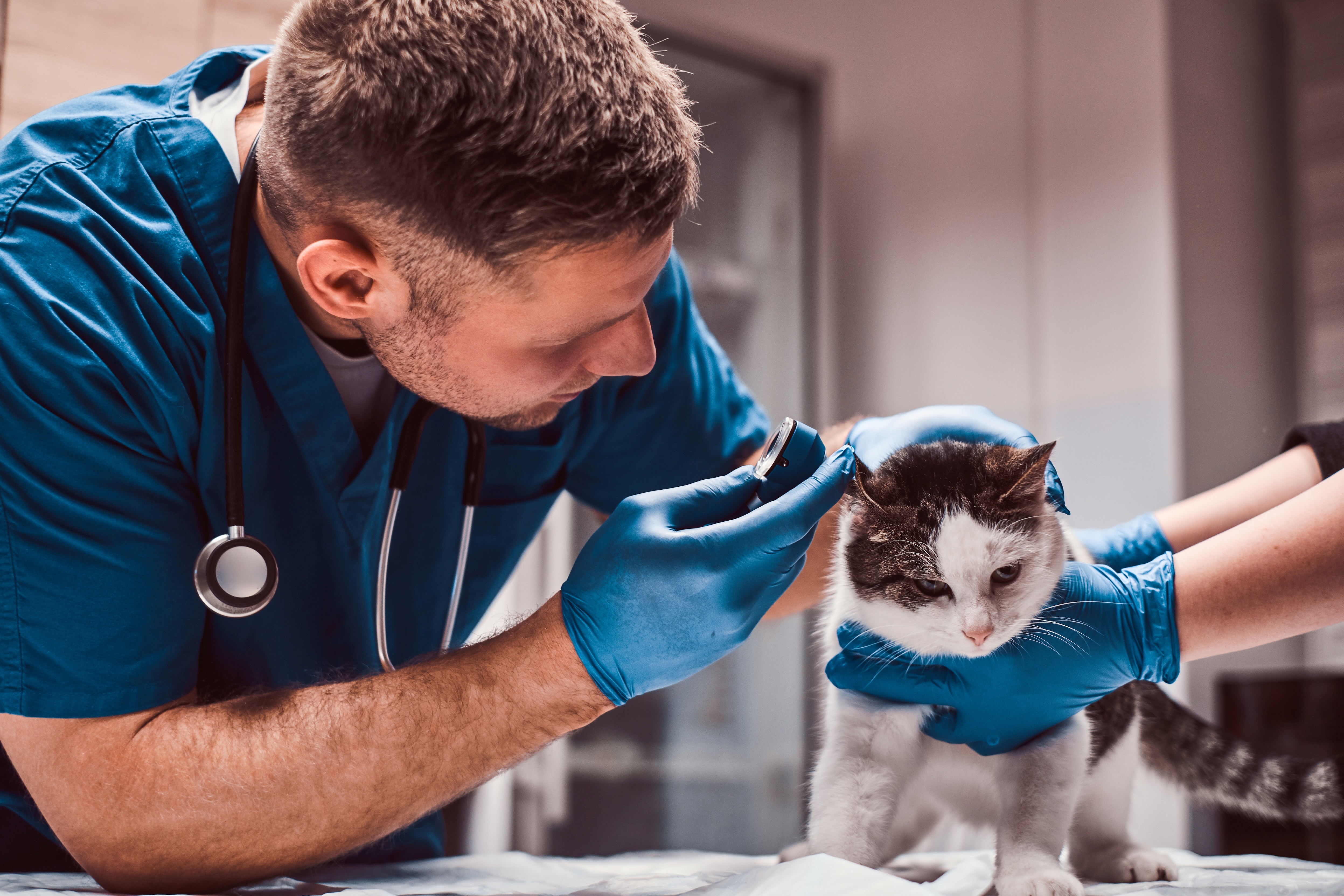
Are you a team member in a veterinary practice?
Are you a pet parent planning a trip with your furry pal?
Pet Transportation Across Country: A Guide to a Paws-itively Smooth Move
Moving a pet clear across the country is a huge deal, but with a solid game plan, it’s a journey you can absolutely manage. A successful trip really boils down to three things: planning, preparation, and peace of mind. This guide is your complete roadmap, designed to walk you through every single step, from that first vet visit to the happy reunion in your new home.
Your Cross-Country Pet Moving Adventure
Moving your best friend isn't just a logistical puzzle; it's an emotional one. We get it. The thought of putting your pet through a long trip can be nerve-wracking, but being well-prepared is the single best way to make sure everything goes smoothly. Think of yourself as mission control—a clear timeline is your greatest asset.
To get started, it's helpful to understand the bigger picture of Domestic Pet Travel. Knowing the lay of the land helps you see why certain steps, like getting all the right paperwork in order, are so important.
Why Planning Ahead Is a Game-Changer
Starting early isn’t just a nice suggestion—it’s everything. Proper pet transportation across country involves a ton of moving parts that all need to click into place at the right time. Waiting until the last minute is a recipe for stress, both for you and your furry (or feathered) companion. You really don't want to rush this.
A solid plan gives you breathing room to:
Schedule Vet Appointments: Getting health certificates and making sure all vaccinations are current takes time. Vets get busy, so book well in advance.
Acclimate Your Pet: Crate training or just getting your pet comfortable with car rides can't happen overnight. It's a gradual process.
Book Travel Arrangements: Whether you're flying or using a professional service, pet spots are often limited and get snapped up fast.
Organize Paperwork: Modern tools can help you and your vet keep all the critical documents straight, making things much simpler. You can dive deeper into general pet travel requirements in our other guides.
By starting 2-3 months in advance, you turn what could be a chaotic scramble into a calm, step-by-step process. This proactive approach is the real secret to a less stressful move for everyone involved.
To help you visualize the journey ahead, here’s a quick overview of what you’ll need to tackle.
Cross-Country Pet Travel Quick Checklist
This table breaks down the entire process into manageable phases, from your initial research all the way to settling into your new home. Think of it as your high-level flight plan.
Phase | Key Action Items | Recommended Timeline |
|---|---|---|
Initial Planning | Research travel modes (air vs. car). Check state-specific entry rules. Vet consultation for health needs. | 2-3 Months Out |
Booking & Prep | Book flights or pet transport service. Purchase an airline-approved carrier. Start crate training and travel acclimation. | 1-2 Months Out |
Health & Docs | Schedule final vet check-up for Health Certificate (CVI). Gather all medical records and vaccination proofs. | 2-4 Weeks Out |
Final Countdown | Confirm all travel arrangements. Pack your pet's travel bag. Prepare your new home for their arrival. | 1 Week Out |
Travel Day | Follow your pre-travel checklist. Keep your pet calm. Have all documents easily accessible. | Day Of Travel |
Arrival & Settling In | Create a safe, quiet space for your pet. Re-establish routines. Find a new local vet. | Post-Move |
Each of these stages has its own set of details, which we'll explore next, but having this checklist handy will keep you on track and feeling in control.
Preparing Your Pet With Health Checks and Paperwork
Before you even think about booking a moving truck or mapping your route, the first thing on your list should be your pet's health and paperwork. Honestly, a smooth cross-country trip starts right here—with a clean bill of health and all the right documents in hand. Getting this sorted out early is the best way to avoid any last-minute chaos.
Organizing all the vet visits and forms can feel like a mountain of a task, but if you break it down into a simple timeline, it becomes much more manageable.
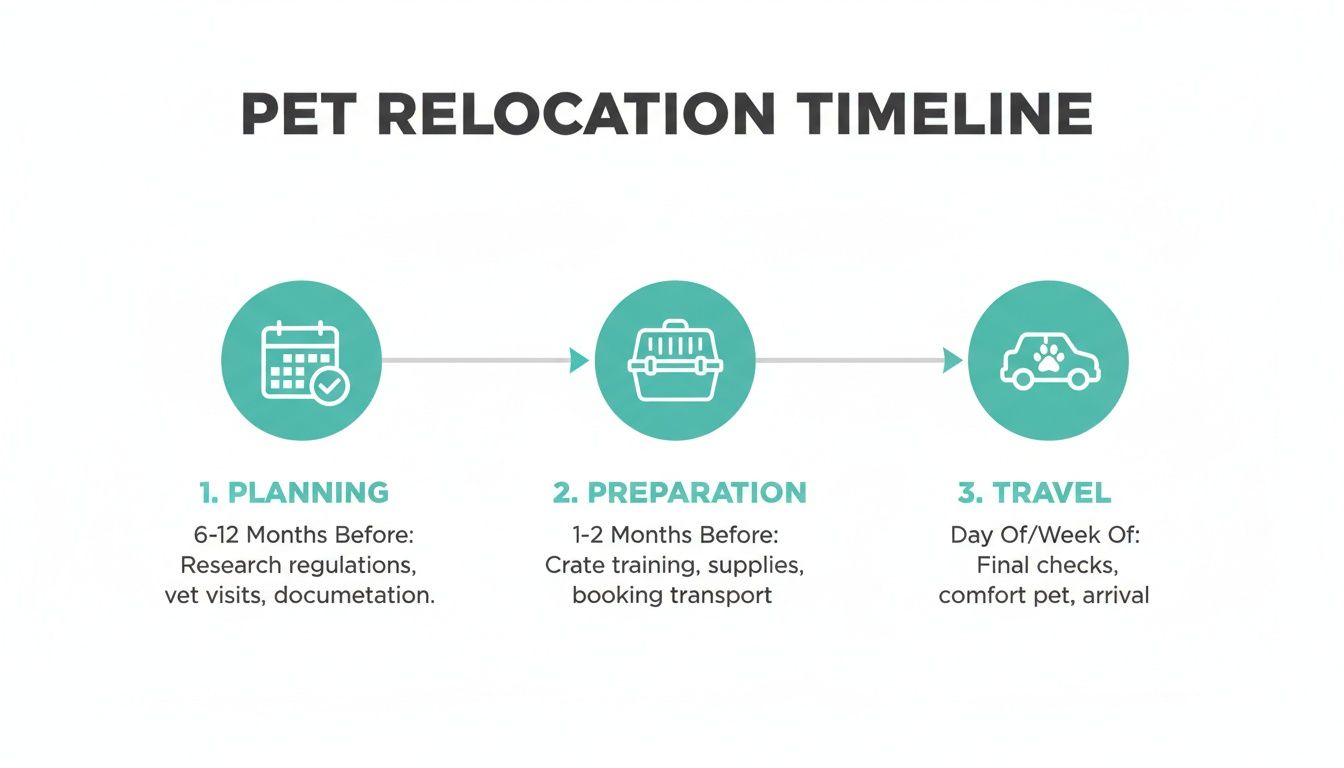
The big takeaway here is to start the process a few months in advance. It’s the difference between a calm, organized move and a frantic, stressful scramble right before you leave.
Your Pre-Travel Vet Visit Checklist
Go ahead and schedule a wellness exam with your vet about two to three months before you plan to move. Think of this initial visit as a strategic planning session, not just a routine check-up. It's your chance to lay out your travel plans, confirm your pet is healthy enough for the journey, and map out a schedule for any needed vaccines or treatments.
This is also the perfect time to double-check that your pet is microchipped and that the registration has your new address and current phone number. If your pet gets lost in the commotion of moving, a microchip is their best ticket back home.
Understanding the Certificate of Veterinary Inspection
The single most important document for your trip is the Certificate of Veterinary Inspection (CVI), which you’ll often hear called a health certificate. This is an official form issued by a licensed veterinarian confirming your pet is healthy and free of contagious diseases.
Most states suggest having a CVI for any animal crossing their borders. If you're flying, the airline will almost certainly ask for one before letting your pet on board. It’s the golden ticket for interstate travel.
A heads-up: A CVI has an expiration date. Most are only valid for 30 days from when they're issued, but some states or airlines suggest it be issued within 10 days of your travel date. Timing this vet visit is super important.
Even though domestic pet travel makes up a massive 72.7% of the market because it's simpler than international trips, you can't just wing it. State-to-state moves still mean you need to pay close attention to the rules, from health certificate validity to proof of rabies vaccination.
Gathering All Necessary Documents
The CVI might be the star player, but it needs a solid supporting cast. I always recommend creating a dedicated travel folder—whether it’s a physical one or a digital one on your phone—to keep everything in one place and easy to grab.
Here’s what to put in your pet's travel portfolio:
Proof of Rabies Vaccination: A current rabies certificate is a must-have. Make sure the vaccine won’t expire while you're traveling.
Full Medical Records: It’s a good idea to have a complete copy of your pet's medical history. Your new vet will thank you.
Microchip Information: Have the chip number and the contact info for the registration company handy.
A Recent Photo: A clear, recent picture of your pet could be a huge help for identification if you somehow get separated.
If you want to get into the nitty-gritty of this crucial document, check out our guide on the USDA pet travel certificate.
Special Considerations for Your Pet
Every pet is different, and some might need a little extra planning. For instance, an older cat with arthritis moving from sunny Florida to the chilly, damp climate of Oregon might find a long car ride particularly tough.
Talk through these individual needs with your vet. They can give you practical advice on managing chronic conditions on the road, suggest safe calming aids if your pet gets anxious, or prescribe medication for motion sickness. Thinking about these personal health factors early on will make the entire trip far more comfortable for your best friend.
Choosing the Best Way to Travel Across the Country
Once your pet’s health certificate is in the works, the next big decision is figuring out how they’ll actually make the trip. This isn't just about getting from point A to point B; it's about choosing the safest, most comfortable path for your best friend.
You’ve got three main options: driving them yourself, flying, or hiring a professional pet transport service. The best choice really depends on your pet’s size, breed, temperament, and overall health.
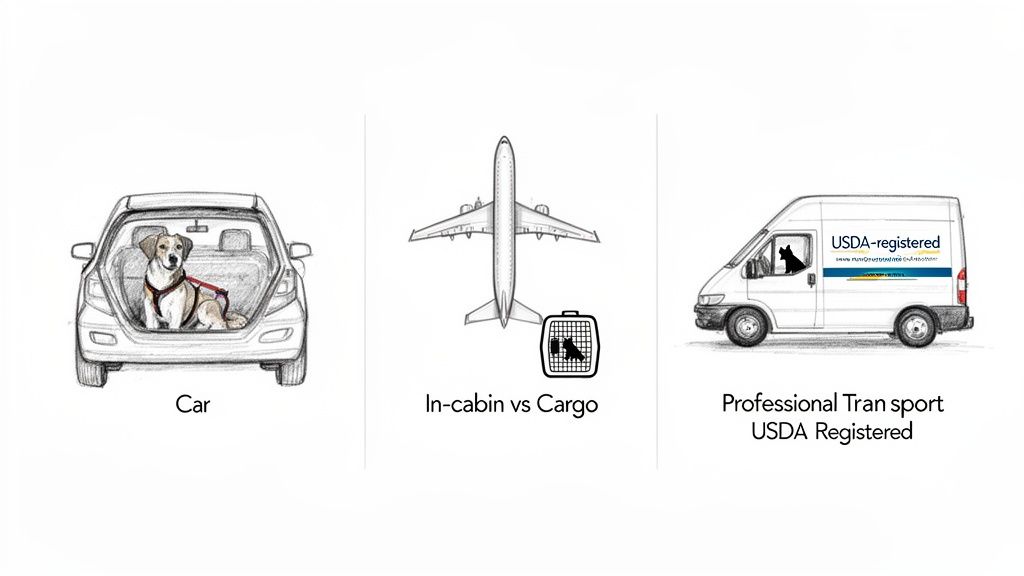
Let’s break down what each of these looks like in the real world.
Comparing Pet Travel Modes: Air vs. Car vs. Professional Service
To help you weigh the benefits and drawbacks, here’s a side-by-side comparison of the most common transportation methods for your pet.
Travel Mode | Best For | Key Considerations | Average Cost Range |
|---|---|---|---|
Flying (In-Cabin/Cargo) | Small pets that fit under the seat; fast, long-distance moves. | Strict airline rules, breed/temperature restrictions for cargo, can be stressful. | $95 - $500+ per pet, one-way |
Driving (Your Car) | Anxious pets, multiple pets, large dogs, or flat-faced breeds. | Takes much longer, requires planning for pet-friendly lodging and frequent stops. | $50 - $200+ in pet-specific costs |
Professional Service | When you can't drive or fly with your pet; for complex, long-distance moves. | Requires thorough vetting (USDA registration is a good sign), less personal control during transit. | $500 - $2,500+ per pet |
Each option has its trade-offs. Your priority should always be your pet’s well-being, so think carefully about their personality and health before making a final call.
Flying High: The Pros and Cons of Air Travel
For a coast-to-coast move, nothing beats the speed of flying. A journey that takes days by car is over in a few hours, which can be a huge plus for pets who handle new situations well.
But air travel comes with a thick rulebook and its own unique stressors. A pet can fly in one of two ways: in the cabin right there with you, or in the cargo hold.
In-Cabin Travel: This is the gold standard for small pets. If your dog or cat fits comfortably in a carrier that slides under the seat in front of you, they can stay by your side. Most airlines cap the weight at around 20 pounds (including the carrier) and charge a fee of about $95–$125 each way.
Cargo Travel: Larger animals have to travel in the cargo hold. While this area is pressurized and climate-controlled, your pet will be alone. It can be perfectly safe, but it's naturally more stressful and is subject to weather blackouts—airlines won't fly pets in cargo if it's too hot or cold on the tarmac.
CRITICAL NOTE: Many flat-faced breeds like Pugs, French Bulldogs, and Persian cats are often banned from flying in cargo due to respiratory risks. Always, always check the airline's specific breed restriction list before you even think about booking.
Hitting the Road: A Cross-Country Car Trip
Driving has one massive advantage: your pet is with you the entire time. This can really cut down on their anxiety and gives you total control. You decide when it's time for a potty break, you set the A/C, and you choose the pet-friendly hotels.
A road trip is almost always the best option for:
Nervous or elderly pets.
Big dogs who can’t fly in the cabin.
Flat-faced breeds.
Families moving with several pets.
A successful road trip is all about preparation. You'll need to secure your pet in a well-ventilated carrier or a crash-tested safety harness. Map your route with plenty of stops for them to stretch their legs and plan your overnight stays at hotels that welcome pets. It takes longer, sure, but it can be a surprisingly fun bonding experience.
Hiring the Pros: Using a Professional Pet Transport Service
What happens if you can't drive and your pet can't fly? This is exactly where professional pet transport services step in. These companies are specialists, moving animals over long distances in climate-controlled vehicles designed for safety and comfort.
This is a fast-growing industry. The global pet relocation market hit USD 1.2 billion in 2023 and is projected to double by 2032, largely because of the 70 million dogs and 74 million cats in the U.S. As more people move, they’re turning to experts to handle the journey for their furry family members.
A good service takes the entire logistical nightmare off your shoulders. They handle the driving, scheduling, and ensuring your pet is fed, watered, and walked along the way.
How to Choose a Reputable Pet Transporter
Not all transport services are created equal, and you have to do your homework when you’re entrusting someone with a member of your family. One of the best things to look for is registration with the U.S. Department of Agriculture (USDA) under the Animal Welfare Act.
Here’s your checklist for vetting a company:
USDA Registration: Ask for their license number and verify it on the USDA website. If they can't provide one, walk away.
Clear Communication: They should be easy to reach, happy to answer your questions, and provide a detailed contract and itinerary.
Solid Reviews: Look for independent reviews on trusted sites. A history of complaints—or no history at all—is a major red flag.
Safety Protocols: Ask about their vehicles. Are they climate-controlled? How often do they stop? What's their plan for an emergency?
If you want to dig deeper, our article on how to find top-notch pet transport services has even more tips.
Ultimately, choosing the right travel mode is a balance of speed, cost, and your pet’s unique needs. By weighing the realities of flying, driving, and professional transport, you can make a confident choice that gets your best friend to their new home safely and with as little stress as possible.
Packing and Prepping for a Comfortable Journey
A comfortable pet is a happy traveler, and a little bit of prep work goes a long way in making their journey a smooth one. This part of your plan is all about the practical gear and, more importantly, getting your pet mentally ready for the trip ahead.
Making their travel carrier a familiar, safe space is probably the single most important thing you can do to dial down their stress levels.
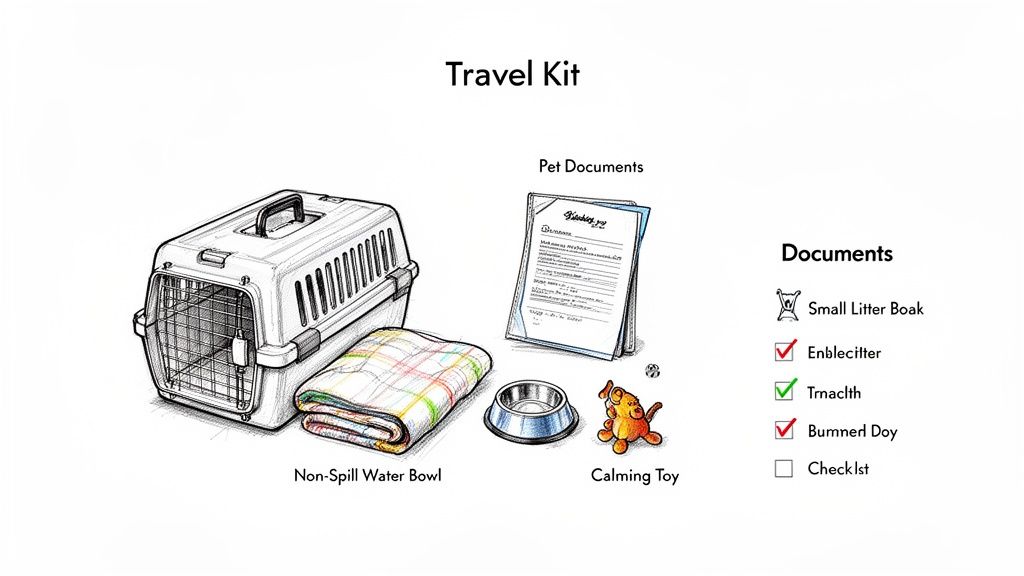
The goal here is simple: transform that carrier from a scary box into a cozy den. It’s not complicated, but it does take patience, so you’ll want to start well before your travel day.
Making the Carrier a Happy Place
Crate training is absolutely essential for any kind of pet transportation across country. It gives your pet a sense of security in what can be a strange new environment, whether that’s the backseat of your car or the cabin of a plane. The key is building a positive association with the carrier long before you actually hit the road.
Here's a straightforward way to get it done:
Introduce it early. Just place the carrier in a common area of your home with the door wide open. Let your pet check it out on their own terms, no pressure.
Make it inviting. Toss their favorite blanket inside, maybe a t-shirt that smells like you, and some high-value treats. You want them to see it as a place where good things happen.
Feed meals inside. Start by putting their food bowl just inside the door, then slowly move it further back as they get more comfortable.
Practice short trips. Once they’re willingly going inside, try closing the door for just a few minutes. Eventually, you can work up to short car rides to fun places like the park—not just the vet!
This gradual introduction helps them understand the carrier isn’t something to fear. For more specific advice on picking the right one, check out our article on choosing an airline pet travel carrier.
The biggest mistake I see owners make is waiting until moving day to introduce the carrier. By starting weeks or even months ahead, you give your pet time to adapt. Travel day goes from a scary, sudden event to just another Tuesday.
Your Pet’s Essential Travel Kit
Once your pet is cool with their carrier, it’s time to pack their go-bag. Having everything they need in one spot keeps you organized and ensures they’re comfortable on the move. Think of it as their personal suitcase, filled with the essentials to keep them happy and healthy.
Your list will change depending on your pet and how you're traveling, but here are the non-negotiables:
Food and Water: Always pack more food than you think you'll need, just in case of delays. A non-spill water bowl is a game-changer for car travel.
Familiar Bedding: A favorite blanket or bed brings the scent of home with them, which is incredibly comforting in a new place.
Toys and Chews: A durable chew toy is great for beating boredom and anxiety during long stretches of travel.
Waste Management: Bring plenty of poop bags for dogs. For cats on a long car ride, a small, disposable litter box can be a lifesaver at rest stops.
Important Documents: Keep their health certificate, vaccination records, and microchip information handy in a waterproof folder. You don't want to be digging through suitcases for this.
Calming Aids and Special Considerations
For some pets, even the best prep isn't quite enough to soothe their travel jitters. This is where you need to be cautious and always talk to your veterinarian first. Never give your pet any medication or supplement without professional guidance.
Your vet might suggest a few options:
Pheromone Sprays: Products like Feliway for cats or Adaptil for dogs can create a sense of calm. You can spray it in their carrier about 15-20 minutes before they get in.
Calming Supplements: You'll find plenty of over-the-counter options with ingredients like L-theanine or tryptophan, but their effectiveness can vary. Your vet can point you toward a reputable brand.
Prescription Medications: For severe anxiety or motion sickness, your vet might prescribe something stronger. It's critical to understand the side effects, as sedation is often not suggested, especially for air travel.
Getting your pet and their gear ready ahead of time is the ultimate act of care. It sets the stage for a journey that’s safe, comfortable, and as stress-free as possible for everyone involved.
Navigating State Rules and Common Travel Hiccups
Driving across the country with your furry co-pilot involves a bit more than just plugging a destination into your GPS. While your eyes are on the road ahead, remember that every state has its own rulebook for letting animals in. Getting this wrong can turn a smooth road trip into a major headache, but a little bit of prep goes a long way.
Think of it like this: your pet needs their own special ID to cross state lines. The good news is that most states sing a similar tune, usually suggesting a current rabies vaccination and a recent Certificate of Veterinary Inspection (CVI). But—and this is a big but—you should never assume the rules are the same everywhere.
For example, Arizona's guidelines are pretty straightforward. Hawaii, on the other hand, has very strict quarantine laws to protect its local ecosystem. Your best bet is to always check the Department of Agriculture website for your destination state and any states you're just passing through.
Unpacking State-Specific Pet Travel Rules
The guidelines for pet transportation across country are generally consistent, but the devil is always in the details. Some states get picky about how recently a health certificate was issued, while others might ask for vaccinations beyond the standard rabies shot.
Here's a quick checklist of what you need to confirm for your destination:
Health Certificate (CVI) Validity: Does the state accept a certificate issued within the last 30 days, or do they prefer something more recent, like within 10 days of your arrival?
Vaccination Requirements: Is proof of a rabies shot enough, or will you need to show records for other vaccines?
Breed-Specific Legislation: Unfortunately, some cities and counties have restrictions on certain dog breeds. It’s far better to know this before you’ve packed the car.
Don’t get tangled up in red tape. A quick visit to the official state agriculture website is the simplest way to make sure you have all your ducks—or dogs—in a row. That one simple check can save you a world of trouble.
While international pet travel is exploding, even a domestic trip has its own set of rules. The web of varying regulations on certificates, vaccination windows, and other guidelines can create major headaches. For both pet owners and transport agencies, a single missing document can leave a pet stranded at a border. It’s exactly why platforms that help track documents and stay on top of changing rules are becoming essential for ensuring safe, compliant paws across state lines. You can learn more about the latest trends shaping the pet travel industry to stay ahead of the curve.
Troubleshooting Common Travel Problems
Even the most carefully planned trip can hit a snag. A happy traveler is a prepared one, so let's walk through how to handle some of the most common hiccups on a long journey. Having a solution ready keeps a minor issue from turning into a full-blown crisis.
What If My Pet Gets Car Sick?
Motion sickness is a real thing for our four-legged friends, especially younger ones. Have a chat with your vet before you go about anti-nausea medication. You can also make the ride more comfortable by keeping the car well-ventilated, holding off on a big meal right before you leave, and making sure they can see out the window (if that seems to help them).
How Do I Manage My Pet's Anxiety?
A stressed-out pet makes for a stressed-out driver. Do what you can to keep their space calm and familiar. Pack their favorite blanket and a few toys. Pheromone sprays like Feliway for cats or Adaptil for dogs can work wonders, and so can calming supplements. Most importantly, stay calm yourself—your pet is an expert at picking up on your energy.
What If My Pet Gets Loose at a Rest Stop?
This is every pet owner's nightmare, but it can happen in a split second.
Stay Calm and Don't Chase. Your first instinct is to run, but that will only encourage them to run further.
Use a Happy Command. Call their name in an upbeat, excited tone. Try a command they associate with something great, like "Treat!" or "Car ride!"
Get Low. Sit or even lie down on the ground. This makes you seem less threatening and might pique their curiosity enough to come investigate.
Have a Leash Ready. Always, always double-check that their harness and leash are secure before you even crack the car door. Never let them out without one.
Frequently Asked Questions
Even the most buttoned-up travel plan can leave you with a few lingering questions. Moving a pet across the country is a big deal, and it's totally normal to wonder about the details. Here are some quick, straightforward answers to the questions we hear most often.
How Much Does It Cost To Transport A Pet Across The Country?
The cost really runs the gamut, so it’s best to think in terms of a range. The final number depends on your pet's size, how far you're going, and the travel method you land on.
Here’s a rough idea of what to expect:
Driving Yourself: This is usually the most budget-friendly route. The biggest extra costs are pet-friendly hotel fees, which typically add $20-$50 per night.
Flying In-Cabin: For small pets that can fit in a carrier under the seat, most airlines charge a one-way fee somewhere between $95 and $125.
Flying in Cargo: This is where it gets pricier, especially for larger pets. Costs can start around $300 and climb to over $1,000, depending on your pet’s size and the flight path.
Professional Ground Transport: If you hire a dedicated service, you could be looking at anywhere from $500 to $2,500+.
And don't forget the vet visit for a health certificate! That can add another $100-$250 to your total budget.
Is It Better To Drive Or Fly With My Pet?
Honestly, this is a decision that comes down to your individual pet. What’s perfect for a tiny, confident chihuahua might be a terrible idea for a large, anxious golden retriever.
Driving is generally less stressful for most animals. Your pet stays right there with you, making it the hands-down winner for nervous travelers, senior pets, and especially for flat-faced breeds who often can't fly. You’re in complete control of the environment, the temperature, and the pit stops.
Flying, on the other hand, is much, much faster. This is a huge plus for pets who are good travelers and just need to get the journey over with. For smaller pets, flying in-cabin is a fantastic option. While cargo travel has its place, it's subject to weather restrictions and can be a more intense experience. Your first step should always be a chat with your vet to make sure your pet is healthy enough for air travel.
What Documents Do I Need For Pet Transportation Across The Country?
The single most important piece of paper you'll need is the Certificate of Veterinary Inspection (CVI), often just called a health certificate. A licensed vet issues this to confirm your pet is healthy and fit for travel.
Airlines and some states may ask for it when you travel.
Heads up: A CVI has an expiration date. It's usually valid for 30 days, but some airlines or states may prefer one issued within 10 days of your trip. You’ll also want to have proof of a current rabies vaccination. It’s always a good idea to have a full set of their medical records, a recent photo, and microchip info on hand, just in case.
Should I Medicate My Pet For A Long Trip?
This is a big one, and the answer is usually no. Most vets and airlines strongly suggest against sedating pets for travel, especially on flights. Sedation can mess with a pet’s breathing and their ability to regulate body temperature, which is risky at high altitudes.
Instead of reaching for medication, pour your energy into positive crate training. Your goal is to make their carrier feel like a safe, cozy den. You can also talk to your vet about non-sedative calming options, like pheromone sprays (Feliway for cats, Adaptil for dogs) or certain supplements. If your pet has severe travel anxiety, you'll want to have a serious conversation with your vet well ahead of time to map out the safest plan.
Once you’ve made it to your new home, the adjustment period begins. For some great tips for helping your pet settle in after a move, this guide is a fantastic resource.
Keeping track of all the health certificates and travel paperwork can feel like a full-time job. Passpaw is designed to make this whole process simpler for veterinary practices, ensuring every detail is handled correctly for a smooth, compliant journey. See how we help vets and pet owners at https://passpaw.com.
More articles
From regulatory changes to best practices for veterinarians and pet owners, our resources keep you ahead of the curve.