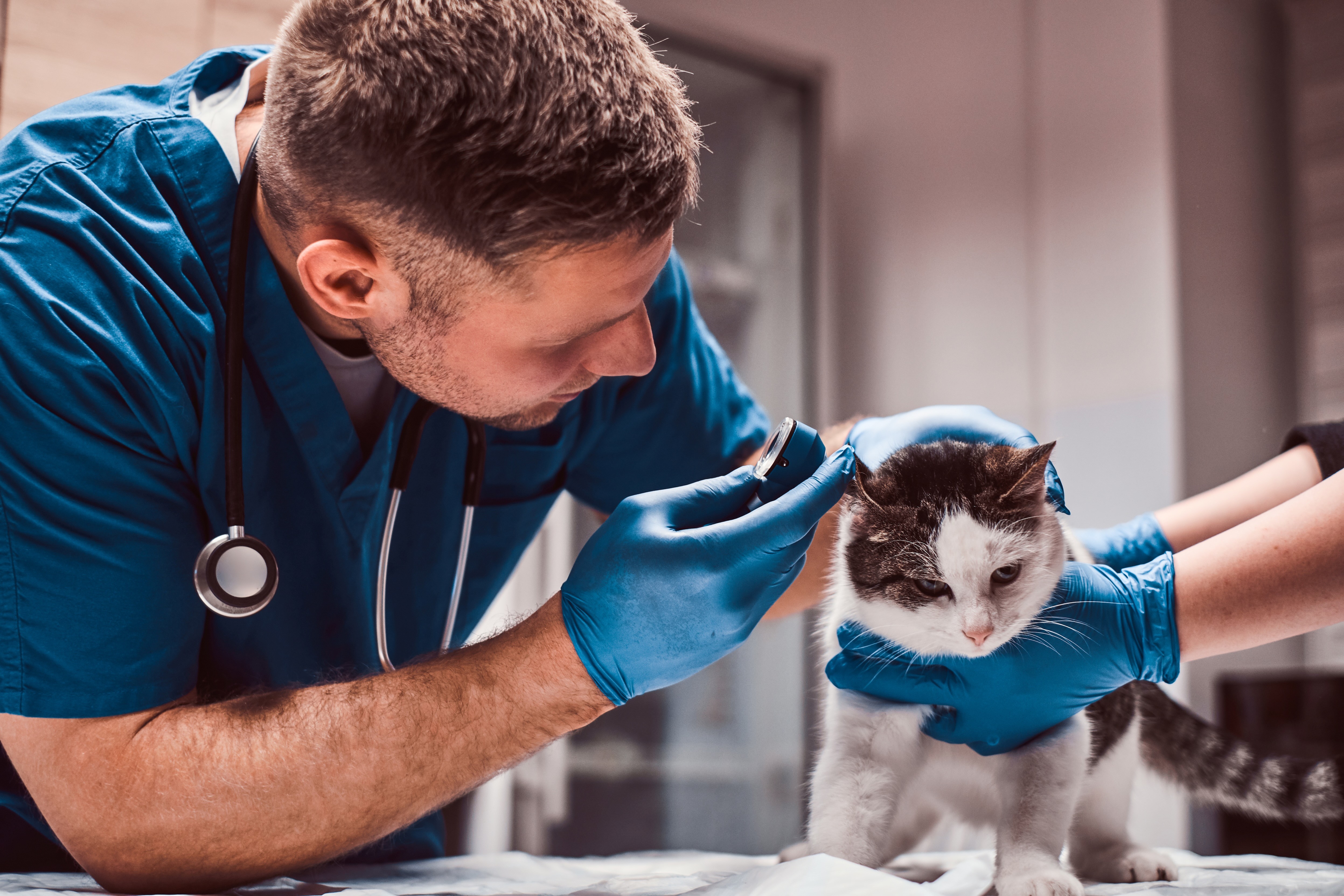
Are you a team member in a veterinary practice?
Are you a pet parent planning a trip with your furry pal?
USDA Pet Export Requirements: A Step-by-Step Guide
You've found a flight, checked the pet carrier, and started gathering vaccination records. Then the veterinary practice asks when your pet will arrive overseas, whether the trip is commercial, and which certificate your destination accepts. Suddenly, taking your pet abroad feels less like packing and more like managing a small project.
USDA pet export requirements are best handled as a calendar, not just a checklist. The right documents matter, but so do the dates, the order of medical steps, and the paperwork your pet will need to come home. A little planning can keep the last-minute scrambling to a minimum, even if your travel companion contributes mostly fur.
USDA Pet Export Requirements at a Glance
The certification process has separate roles. A USDA-accredited veterinarian examines your pet and issues the international health certificate. USDA's Animal and Plant Health Inspection Service, or APHIS, endorses that certificate when the destination requires federal endorsement.
According to the APHIS pet travel process overview, most countries require a health certificate, and preparation can take several weeks to many months, depending on vaccinations, diagnostic tests, treatments, import permits, and destination rules. The document may also be called a veterinary health certificate, veterinary certificate, or export certificate. Those names don't necessarily describe different documents, so check the actual form rather than relying on its title.
Export milestones and who handles each
Milestone | Who Handles It | What to Check |
|---|---|---|
Destination country requirements | Pet owner with accredited vet | Vaccines, tests and certificate type the destination asks for |
Veterinary exam and health certificate | USDA-accredited veterinarian | Exam date falls inside the destination's timing window |
USDA endorsement | Vet submits, APHIS endorses | Endorsement happens before the certificate expires |
Rabies vaccination and microchip | Accredited vet | Microchip is readable and recorded before the rabies shot where required |
Arrival validity deadline | Pet owner and carrier | Pet arrives inside the period the certificate allows |
The destination country sets its entry requirements. USDA endorsement is part of meeting those requirements, not a replacement for them. Your carrier also needs the travel details so you can coordinate the pet's journey with the paperwork.
Think of the table as a responsibility map, not a strict medical sequence. Identification, vaccinations, testing, or permits may need attention well before the final veterinary examination. Waiting until the certificate appointment to discover those requirements can leave little room to adjust.
Give every milestone a date and an owner
Keep a shared travel record that the owner and veterinary team can both review. Record the departure and arrival details, required appointments, outstanding documents, and who will follow up on each item. For a veterinary practice or pet shipper, assigning a named person is more useful than leaving a task marked for the team.
Keep the exam and certificate issuance date, endorsement timing, and arrival-validity deadline separate. They describe different events, even when they fall close together.
Practical rule: An accurate certificate can still be unusable for the planned journey if its dates don't fit the itinerary.
The aim isn't to complete every task as early as possible. It's to prepare early, then complete time-sensitive tasks inside the correct windows.
Rabies Vaccines, Microchips and Records
For an EU-bound pet, the order of identification and vaccination deserves close attention. A rabies vaccine may still be medically valid while failing to meet the destination's documentation requirements if the pet wasn't properly identified first.
APHIS export guidance states that an EU-bound pet needs a functioning microchip before receiving the rabies vaccination used for travel; it also flags separate documentation for U.S.-vaccinated dogs that have visited a CDC-defined high-risk country within the preceding six months. Those dogs may need a Certification of U.S.-Issued Rabies Vaccination, completed by a USDA-accredited veterinarian and submitted for endorsement before departure.
Check the sequence, not just the expiration date
Say your pet's rabies record is current, but the microchip was implanted afterward. Don't assume that copying both dates onto the health certificate resolves the issue. Ask the accredited veterinarian to compare the sequence with the destination's requirements before setting the remaining appointments.
A microchip record also needs to match the animal in front of the veterinarian. Have the practice scan the chip and compare the displayed number against the vaccination record, laboratory reports, and draft certificate. A transposed digit is much easier to correct before submission than during travel.
For help understanding the supporting record, review our guide to proof of rabies vaccination. A reminder that a vaccine is due isn't the same thing as the vaccination documentation your veterinary team needs.
Gather the records before the appointment
The practice or client must provide:
Microchip details: Supply the number and identification records, and confirm the chip is readable and ISO 11784/11785 compliant where required.
Vaccination records: Include the underlying certificates, not just a summary in an appointment reminder.
Parasite treatment records: Provide records of treatments relevant to the destination.
Owner contact details: Check names, addresses, telephone numbers, and email addresses.
Flight information: Include the planned route, departure, arrival, and connections.
Destination address: Give the actual address needed for the travel documents, rather than only the destination country.
Users must independently verify all pet, owner, and travel information before submission, including microchip readability. Software can help organize records, but it can't scan your pet or confirm that an address is where you'll actually stay.
Before departure, pause for any unresolved issue involving chip-before-rabies sequencing, recent high-risk-country travel, or required pre-departure endorsement. Treat these as stop-and-check items, not details to sort out at the airport.
How USDA Endorsement Works, Step by Step
The veterinarian's certificate and USDA's endorsement are connected tasks, but they aren't interchangeable. Knowing who handles each handoff helps prevent a finished draft from being mistaken for travel-ready paperwork.

From checking requirements to submitting the certificate
Confirm the destination's requirements before booking the exam. Review the APHIS pet travel pages and the destination's own government sources. Check the species, purpose of travel, route, and certificate type so the practice isn't preparing the wrong paperwork.
Book with a USDA-accredited veterinarian. Tell the practice that you need an international health certificate, not just a wellness appointment. Share the itinerary before the visit so staff can place the examination inside the required window.
Have the veterinarian complete the health certificate. The certificate should reflect the pet's identification, vaccinations, required parasite treatments, and owner details. Missing supporting records can interrupt preparation, even when the pet's examination goes smoothly.
Match the records to the pet. The veterinarian checks the scanned microchip number against the documents. Owners should also review names, contact information, destination details, and travel dates rather than assuming an earlier intake form is still accurate.
Submit through the practice's account. The accredited veterinarian submits the certificate through the Veterinary Export Health Certification System, known as VEHCS, when applicable. We don't submit health certificates to USDA APHIS on a veterinarian's behalf; submissions use the practice's own VEHCS account or an equivalent system.
From USDA review to the travel folder
Allow for APHIS review and endorsement. Submission isn't the same as endorsement, so confirm that the certificate has completed review. Keep the owner and practice contact channels available in case a document or detail needs clarification.
Obtain the correct final document. APHIS guidance on electronic certification explains that accredited veterinarians can complete, sign, and submit certificates electronically through VEHCS, but an ink signature and embossed endorsement may still be required, and the endorsed original must accompany the animal when the destination requires it. Print the endorsed certificate when appropriate, but don't assume a home-printed copy replaces a required original.
Compare the final certificate with the actual journey. Check the issued and endorsed document against the booked flight and arrival plan. A certificate prepared too early, or a flight changed after preparation, deserves another timing review before you leave.
A digital submission process doesn't always mean your pet can travel with digital documents alone.
Keep the endorsed health certificate, rabies certificate, microchip record, and any required laboratory results together in an accessible folder. Add other destination-specific documents where needed, and keep a backup copy separately.
Before heading to the airport, identify which document is the endorsed final version. A folder full of drafts can create confusion just when you want everything to be paws-itively straightforward.
Timing Windows That Make or Break Your Trip
A certificate can describe a healthy, properly vaccinated pet and still miss the travel window. For EU journeys, distinguish the time allowed for the examination from the time allowed for certificate completion and endorsement.
Key timing windows for common EU pet trips
The APHIS guidance for France and Poland describes an examination within 48 hours of departure and certificate completion within 10 days of EU arrival for the non-commercial travel covered below; commercial movements require endorsement within 48 hours after issuance.
Travel Case | Exam Window | Endorsement or Completion Window |
|---|---|---|
Non-commercial dog, cat or ferret to France or Poland | Within 48 hours of departure | Certificate completed within 10 days of EU arrival |
Commercial movement to the EU | Confirm the applicable commercial certificate's examination requirement | Endorsement within 48 hours after the vet issues the certificate |
General endorsed certificate, APHIS example | Set by the destination country | Example period of 30 days to endorse and use before expiry |
The general example in the table isn't a universal travel allowance. Use the destination's actual window, rather than treating an example as permission to issue the certificate whenever it suits your schedule.

Work backward without moving outside the allowed window
Start with the pet's planned arrival. Establish the permitted certificate completion period, then schedule the examination and submission around departure and the applicable endorsement requirements. Each destination determines examination timing, and the certificate can't be submitted to USDA before that time.
Build a buffer of several days into preparation and logistics where possible, not into a narrowly prescribed examination window. Have records ready, confirm practice availability, and settle transport arrangements early. Moving the final exam earlier isn't helpful if that puts it outside the permitted period.
Watch for changes that affect more than the flight reservation:
Postponed departure: The original examination may no longer fall inside the required pre-departure window.
Rebooked connection: A later arrival may fall outside the certificate's permitted arrival period.
Longer gap before travel: The certificate may expire before it can be used.
Changed ground transport: A missed airport transfer can disrupt an otherwise carefully planned itinerary.
For the airport transfer, Hamptons Leisure Limo's advice on booking a ride with your dog can help you prepare that part of the journey. Ground transport belongs on the same calendar as the flight, even though it doesn't determine certificate validity.
Our guide to U.S. application deadlines can also help you organize submission planning. Write the exam, endorsement, and arrival dates on the same calendar, with the relevant time zones, and ask the practice to review them whenever the itinerary changes.
Destination Rules and Certificate Versions
A certificate needs to match both the journey and the accepted form. The destination country sets the requirements, so a familiar template from a previous trip isn't enough to establish that the document is suitable now.
EU certificate version cutoffs for 2026
The APHIS pet travel guidance announces scheduled new certificates for non-commercial dogs, cats, ferrets, and birds from October 1, 2026, with older forms endorsable through September 30, 2026, and for commercial dogs, cats, and ferrets from October 17, 2026, with older forms endorsable through October 16, 2026.
Pet Movement | New Certificate Starts | Last Day for Older Certificate |
|---|---|---|
Non-commercial dogs, cats, ferrets and birds | October 1, 2026 | September 30, 2026 |
Commercial dogs, cats and ferrets | October 17, 2026 | October 16, 2026 |
These are certificate-version and endorsement cutoffs. Don't turn them into a broader assumption about whether a particular arrival is acceptable. For travel near a transition, have the veterinarian confirm the form and how the applicable guidance treats your dates.

Changes that deserve a fresh review
Say a flight is postponed after the veterinarian has prepared an older template. Before resubmission or endorsement, the practice should check whether the same version remains eligible. Don't assume that starting preparation before a cutoff preserves the form's acceptability.
Adding a transit country calls for a different check. Give the veterinarian the full route, including whether your pet will remain in transit or enter the country. A change that looks minor on an airline itinerary may introduce another government's requirements.
The commercial or non-commercial classification also needs confirmation. Don't choose a form solely because your pet is traveling with you or because the trip feels personal; give the veterinarian the actual circumstances.
Confirm the template: Ask which certificate version the practice is preparing.
Compare the endorsement date: Check it against the applicable cutoff.
Recheck added stops: Review transit and destination rules whenever the route changes.
Resolve classification: Establish the correct movement category before completing the form.
For a different destination, our guide to exporting pets from the USA to Japan offers a country-focused starting point. Don't carry EU assumptions into another itinerary.
If APHIS doesn't publish requirements for the destination, consult that country's government sources and confirm the approach with the accredited veterinarian before filing. Missing published guidance isn't evidence that no requirements apply.
Coming Back to the United States
A USDA-endorsed export certificate doesn't automatically cover a dog's return to the United States. Destination-country rules govern the outbound journey, while CDC rules separately govern dog entry into the United States. Plan the return before leaving, especially when rabies documentation needs action while the dog is still here.
For dogs that have been in a high-risk country for dog rabies, the CDC dog importation FAQs describe requirements that generally include being at least 6 months old, having an ISO-compatible microchip implanted on or before the rabies vaccination date, and traveling with a CDC Dog Import Form receipt and appropriate rabies documents; the older alternative export-certificate pathway applied only to certificates issued no later than July 31, 2025.
Use a round-trip decision tree
Work through these questions with the actual return itinerary and vaccination record:
Which country will the dog leave from? Identify the departure country for the U.S.-bound journey, not the original vacation destination. Include transit points when checking which pathway applies.
Which countries has the dog visited during the preceding six months? Record the full travel history rather than only the last stop. If it includes a high-risk country, check the corresponding CDC pathway.
Where was the rabies vaccination given? Separate U.S.-issued vaccination records from foreign vaccination records. The answer helps determine which documentation to prepare.
Which U.S. port of entry will the dog use? Check that the planned arrival location fits the applicable entry process before buying or changing the return flight.
A dog can depart with an appropriate export packet yet still need different documents for the journey home. That's why the return review should happen before departure, not from a hotel room while you're trying to find records across time zones.
Treat the outbound certificate and the return-entry documents as separate folders, even when they contain some of the same records.
Recheck after itinerary changes
If you add a country, extend the trip, or change the U.S. arrival airport, review the return pathway again. Check whether submitted CDC information needs updating rather than assuming the original filing still matches the journey.
Our guide to returning to the USA with your dog can help organize that review. These CDC dog-entry questions shouldn't be applied automatically to cats or other species.
A round trip needs an outbound check and an inbound check, completed before your pet leaves. An endorsement is an important milestone, not a promise that every border requirement has been met.
Confirm the Requirements Before You Book
Before committing to travel, turn the requirements into a plan the owner and veterinary practice can both follow. You don't need every final document in hand before making arrangements, but you do need to know whether the necessary preparation fits the intended journey.
A practical pre-booking check
Look up the destination and certificate type. Use the APHIS pet travel pages alongside the destination's government sources. Save the relevant instructions with your travel records so everyone is working from the same requirements.
Put the dates on a shared calendar. Start from arrival and work backward through certificate completion, endorsement, and examination. Keep record-gathering tasks separate from appointments that must happen close to travel.
Plan the return pathway. Review the applicable CDC rules for dogs and identify any action needed before departure. Don't leave the inbound review until the outbound certificate is finished.
Ask the accredited veterinarian to confirm the fit. Have the practice check the certificate version, microchip and vaccination records, and proposed travel dates together. Owners remain responsible for verifying their own contact details, route, and destination information.
Keep human travel paperwork organized alongside the pet's folder, but clearly separated. BTOURS' checklist of essential documents before your trip is a useful companion for reviewing the traveler's documents without confusing them with veterinary requirements.
Where practice software can help
At Passpaw, we tell the practice and client which information the countries they intend to visit require and provide details of when the certificate must be submitted to USDA. That gives the people gathering records and preparing the certificate a clearer basis for coordinating their tasks.
We don't provide import permits, visas, customs clearance, or quarantine arrangements. Check those directly with the relevant authorities, and keep any required approvals with your travel documents.
Start with the destination, work backward, and give each task a responsible person. The paperwork becomes much easier when you know what needs doing and when.
Passpaw helps veterinary practices and pet owners organize destination requirements, supporting records, and certificate submission timing. Visit Passpaw to start planning your pet's paperwork around the destination, travel dates, and veterinary preparation your journey needs.

More articles
From regulatory changes to best practices for veterinarians and pet owners, our resources keep you ahead of the curve.