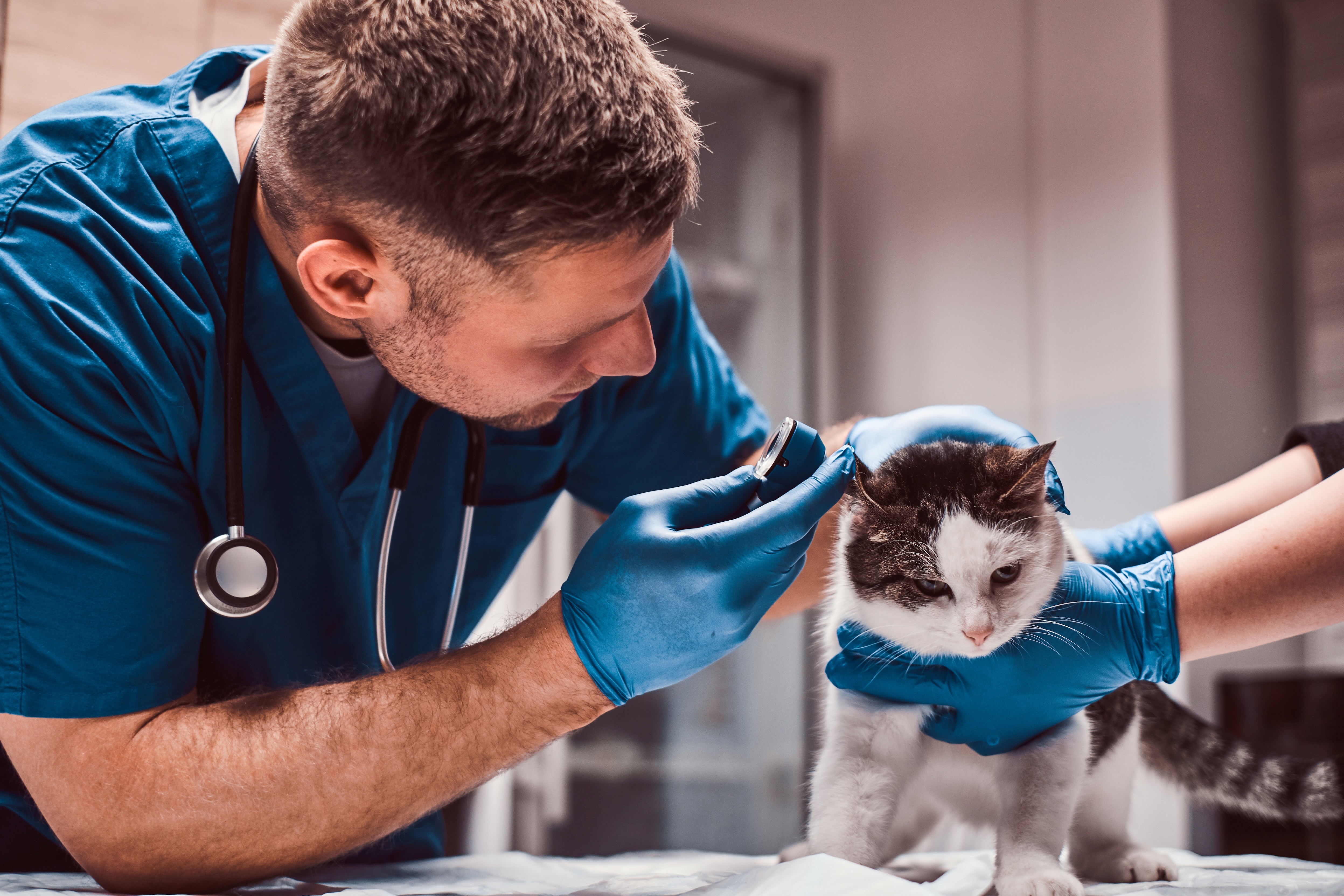
Are you a team member in a veterinary practice?
Are you a pet parent planning a trip with your furry pal?
Your Guide to Pet Courier Services for Safe Travel
Think of a pet courier service as a specialized travel agency, but its only client is your animal. They manage the tangled logistics of moving a pet safely from point A to point B, whether that’s across the country or halfway around the world. These pros handle everything from booking travel to navigating the mountain of paperwork, giving you peace of mind that your companion’s journey is in expert hands.
Understanding Pet Courier Services
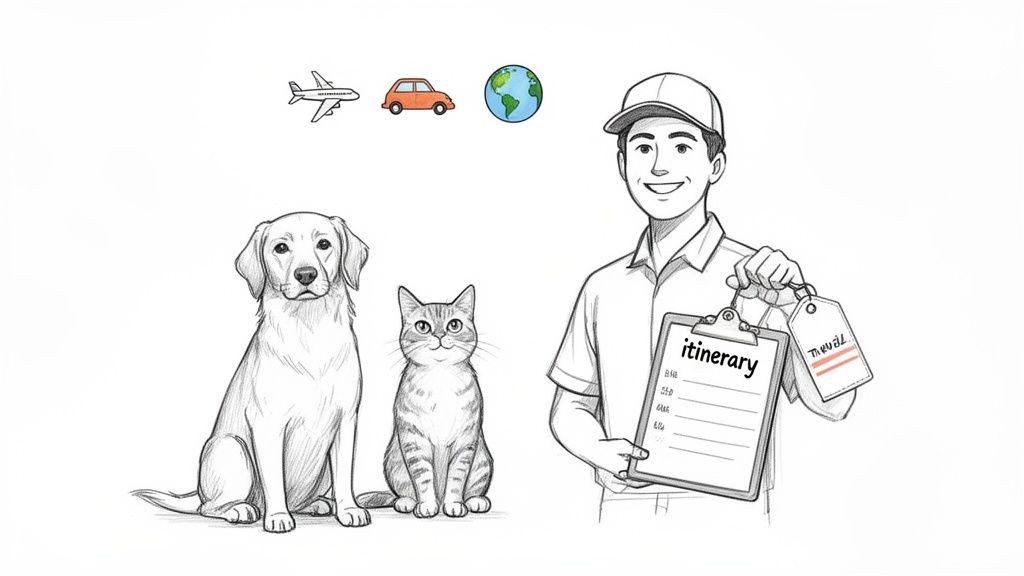
Moving a pet is a whole different ballgame than just buying a plane ticket. A pet courier is a dedicated travel coordinator for your furry, feathered, or scaled family member. They are experts in animal transportation, specializing in the safety, comfort, and logistical puzzles that can quickly overwhelm pet owners.
Their whole job is to take the entire process off your shoulders. It’s a huge relief, especially when you can't travel alongside your pet.
When a Pet Courier Is Essential
Sure, you can handle a short car trip. But in some situations, hiring professional pet courier services isn't just a nice-to-have—it's a real lifesaver. They're often the only way to make sure a move happens without a major snag.
You'll want a pro on your side for situations like these:
International Relocation: Moving to another country means navigating a maze of rules. We're talking specific health certificates, import permits, and timelines that change from one destination to the next.
Complex Cross-Country Moves: A long haul can be stressful for an animal. Couriers map out the most comfortable and efficient routes, managing overnight stays and ensuring your pet is looked after every step of the way. If you want to dive deeper, check out our guide on how to transport pets across the country.
Airline and Logistical Hurdles: Some airlines have strict breed restrictions or require pets to fly as manifest cargo—a process you can’t book on your own.
Time-Sensitive Moves: When you're juggling a family or business move, a courier frees you up. You can focus on your own logistics, knowing your pet's travel is being managed by an expert.
A professional pet courier service does more than just transport your animal; they navigate the complex web of global and domestic travel regulations. Their expertise turns a potentially stressful ordeal into a smooth, managed process.
The Value of Professional Expertise
The real magic of a pet courier is their deep knowledge of the rules. They live and breathe the specific documents required by different airlines and countries, from rabies titer tests to USDA endorsements.
This know-how is critical. A single mistake on a form or a missed deadline can mean your pet gets turned away at the airport or stuck in quarantine.
Ultimately, these services exist to prevent travel "ruff-ups." They bring a calm, professional approach to what can be a deeply emotional process, ensuring your pet’s journey is as safe and smooth as possible, from your old front door right to the new one.
Decoding the Different Types of Pet Transport
Once you’ve decided to bring in a professional pet courier, the next big question is how your furry family member will travel. Not all transport services are created equal, and the best choice depends on things like the travel distance, your pet's unique personality, and, of course, your budget. It’s about more than just getting from point A to point B; it's about making sure the journey is as calm and safe as it can be.
Think of it like planning your own vacation. Would you drive or fly? Each option has its pros and cons, and understanding them is the key to making a confident decision for your pet. Let's break down the main options so you can find the perfect fit.
Ground vs. Air Travel
The first major choice you’ll face is between ground and air transport. Ground travel, which happens in specially equipped, climate-controlled vehicles, is a fantastic option in certain situations. It's often the go-to for shorter domestic moves or for brachycephalic (snub-nosed) breeds that many airlines restrict from flying.
Air travel, on the other hand, is pretty much essential for long-distance and international relocations. It’s fast and often the only realistic way to cross an ocean. While the thought of a pet flying in cargo can be nerve-wracking for any owner, professional couriers partner with airlines that specialize in live animal transport. They make sure pets are kept in pressurized, temperature-controlled compartments, separate from luggage.
Here's a quick rundown:
Ground Transport: Ideal for anxious pets who don’t do well with loud noises, trips that take less than a day's drive, and pets that can't fly due to health reasons. It offers a more personal, less overwhelming experience.
Air Transport: The only practical choice for international moves and coast-to-coast trips where speed is critical. This is by far the fastest way to get your pet to their new home.
Exploring Different Service Models
Beyond the mode of transport, pet courier services also offer different levels of support. The service model you pick determines just how much of the logistical heavy lifting the company takes off your plate. Some owners are happy to handle parts of the process, while others want a completely hands-off experience.
The best pet transport service isn't just about moving an animal—it's about providing a complete solution that covers every detail, from the first vet visit to the final, happy reunion at your new home.
The three main service models are designed to meet different needs and budgets, so there’s an option for nearly everyone.
Door-to-Door Service
This is the all-inclusive, VIP package for your pet. With this service, the courier handles absolutely everything. They’ll pick up your pet right from your home, transport them to the airport, manage the entire check-in process, coordinate with handlers on arrival, clear customs, and deliver them straight to your new front door. It’s the ultimate peace of mind.
Airport-to-Airport Service
This is a more hands-on option where you’re responsible for getting your pet to the departure airport and picking them up when they land. The courier takes care of the critical parts in between—booking the flight, coordinating all the necessary paperwork, and making sure every airline requirement is met. It’s a great middle-ground that can be a bit more budget-friendly.
Premium Charter Flights
For those who want the highest level of comfort and convenience, private charter flights are the top-tier choice. On a charter flight, your pet often flies right in the cabin with a dedicated attendant, completely avoiding the cargo hold. This is the most expensive route, but it provides a level of personalized care that is second to none.
The costs for these services can vary a lot, of course. You can get a better idea of what to expect in our detailed guide on pet transportation costs.
Comparing Pet Transport Options at a Glance
To make things even clearer, here’s a table that helps you quickly compare the most common types of pet courier services based on key factors like cost, speed, and pet comfort.
Transport Type | Best For | Typical Cost | Key Benefit |
|---|---|---|---|
Ground Transport | Anxious pets, snub-nosed breeds, domestic moves | $$ | Low-stress, personal experience |
Air (Airport-to-Airport) | Long-distance domestic or international moves | $$$ | Cost-effective balance of service and speed |
Air (Door-to-Door) | Complex international moves, owners wanting full support | $$$$ | Complete peace of mind and convenience |
Private Charter | Ultimate comfort, pets flying in-cabin, special needs | $$$$$ | Unmatched personalized care and comfort |
Choosing the right type of transport really sets the tone for the entire move. When you understand these key differences, you can have a much more productive conversation with potential couriers and land on a plan that makes everyone—especially your pet—feel secure.
Navigating the Necessary Pet Travel Paperwork
If you think packing your own suitcase is a chore, you haven't seen the stack of paperwork that comes with moving a pet. This is, without a doubt, the most intimidating part of the entire process. It's a world where every detail has to be handled with extreme precision. Just one tiny mistake can bring the whole journey to a screeching halt.
Getting it right isn't just a suggestion; it's a must.
The sheer volume of documents can feel like overkill, but each one has a critical job to do. From health certificates to vaccination records, every page is part of a global system designed to keep both animals and people safe. This paperwork is your pet's passport, proving they're healthy enough to travel and won't pose a risk to their new home.
The Core Documents Your Pet Will Need
While every country plays by its own set of rules, a handful of documents show up on nearly every pet's travel checklist. Think of these as the absolute must-haves. Getting them in order is always the first step, and it's a job best handled by experienced pet courier services.
Here's what you'll almost certainly need:
International Health Certificate (IHC): This is the main event. An accredited veterinarian has to complete this official form, confirming your pet is healthy and fit to fly. It almost always needs a final stamp of approval—an endorsement—from a government body like the USDA.
Vaccination Records: Proof of up-to-date shots is a must. Rabies is the big one, but depending on your destination, other vaccinations might be on the required list, too.
ISO-Compliant Microchip: Most countries now ask for pets to have a specific type of microchip (ISO-compliant) for identification. That chip number has to be on all the paperwork, as it’s the first thing officials will scan when your pet arrives.
Rabies Titer Test: Some rabies-free places, like Japan and many EU countries, require a blood test to prove the rabies vaccine is working as it should. This test comes with a long and very strict timeline—you often have to get it done months before you plan to travel.
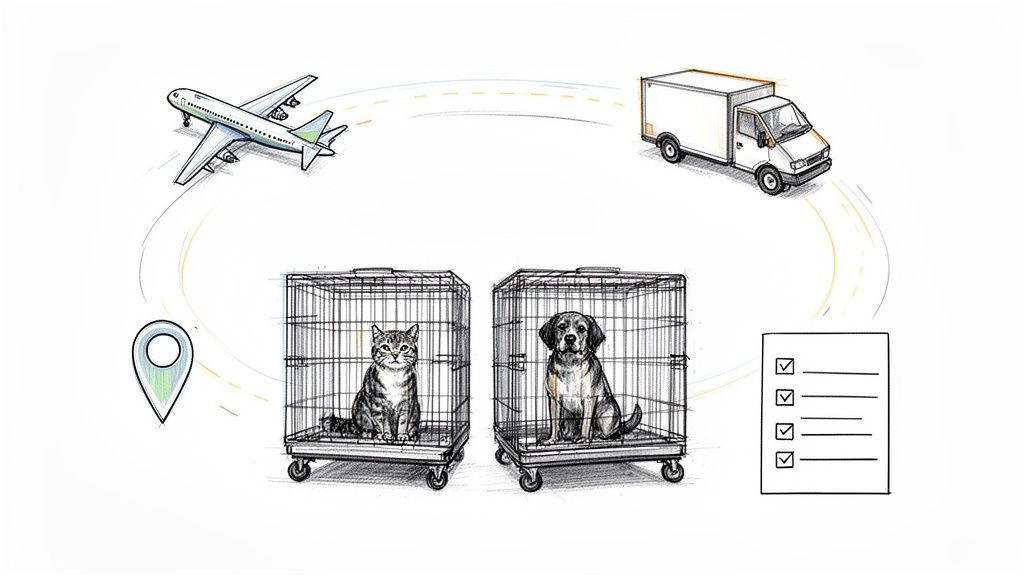
The process flow below gives you a simplified look at how this all fits together for both ground and air transport.
As you can see, whether your pet is traveling by road or by plane, the need for precise documentation and health checks remains the same.
Why Timing Is Everything
Let's walk through a real-world example. Imagine you're moving your cat, Luna, from the United States to Japan. This isn't a quick trip you can book online; it's a careful, step-by-step process that can easily take more than six months.
First, Luna needs her ISO microchip. Then, she needs two separate rabies shots given at least 30 days apart. Only after that can a vet draw her blood for the rabies titer test. Once you get the all-clear from the lab, a 180-day waiting period starts before Luna is even allowed to set foot in Japan. There are no shortcuts.
This is exactly why so many people turn to professionals. A single misstep—like getting the health certificate signed just one day too early—can void the entire process and cause heartbreaking delays. To get a better sense of these complexities, you can check out our complete guide on international pet travel requirements.
The mind-boggling complexity of international pet travel paperwork is a huge reason why pet courier services are in such high demand. One small mistake can lead to quarantine or denied entry, turning a dream move into a total nightmare.
This complexity is fueling a booming industry. As more people live and work globally, the demand for international pet shipping is surging. The U.S. market alone is projected to grow from $650.5 million to $1,026.9 million by 2030. But here's a sobering statistic: some reports suggest that issues with these intricate rules can ground pets 15-25% of the time, which just goes to show how critical expertise really is.
At the end of the day, handling this paperwork isn't just about following rules. It's about ensuring a safe, smooth, and stress-free journey for a beloved member of your family. It's the foundation of every successful pet relocation, demanding precision, planning, and a paws-itively perfect attention to detail.
How to Choose the Right Pet Courier Service
Picking a partner to move your pet is a huge decision. With your furry family member's safety and well-being at stake, this is not the time to bargain-hunt. You're looking for a true professional, and prioritizing safety, reliability, and deep expertise over the lowest price is a must.
The good news? As more of us treat our pets like family, the demand for high-quality transport has exploded. The global pet travel industry is expected to hit around $2.6 billion, fueled by owners who want nothing but the best for their companions. You can dig into the numbers in this latest market analysis. This growth gives you plenty of options, but it also means you have to be extra diligent.
Critical Questions to Ask Any Provider
Before signing any contracts, it's time to do a little homework. A reputable company won't just tolerate your questions—they'll welcome them and give you clear, confident answers. Don't be shy; ask the tough stuff.
Here are a few must-ask questions to get the conversation started:
Are you a member of the International Pet and Animal Transportation Association (IPATA)? While it's not a legal requirement, IPATA membership is a strong signal that a company is serious about professional standards and ethical practices.
What are your contingency plans? Life happens. Ask them what their process is for flight delays, sudden cancellations, or any other curveballs. A pro always has a Plan B and a Plan C.
Can you give me a detailed, itemized quote? Transparency is everything. You need to know exactly where your money is going, from the flight booking and crate costs to the final health certificate endorsement fees.
How much experience do you have with my specific travel route? A shipper who has successfully managed moves to your destination already knows the unique requirements, potential headaches, and local quirks. That experience is invaluable.
When selecting a pet courier, you're not just hiring a delivery service; you're entrusting a family member to their care. Their expertise, communication, and contingency planning are far more valuable than a low price tag.
Beyond this list, spend some time digging into online reviews from different sources. Look for consistent feedback—good or bad—about their communication, how they cared for the animals, and their overall professionalism.
You should also get absolute clarity on their insurance coverage. Knowing what is and isn't covered gives you an extra layer of peace of mind. Using a comprehensive pet travel planner can also be a lifesaver for keeping all these details organized as you compare your options. A little extra vetting now helps ensure your pet's journey is as smooth and safe as possible.
Best Practices for a Smooth Pet Travel Experience
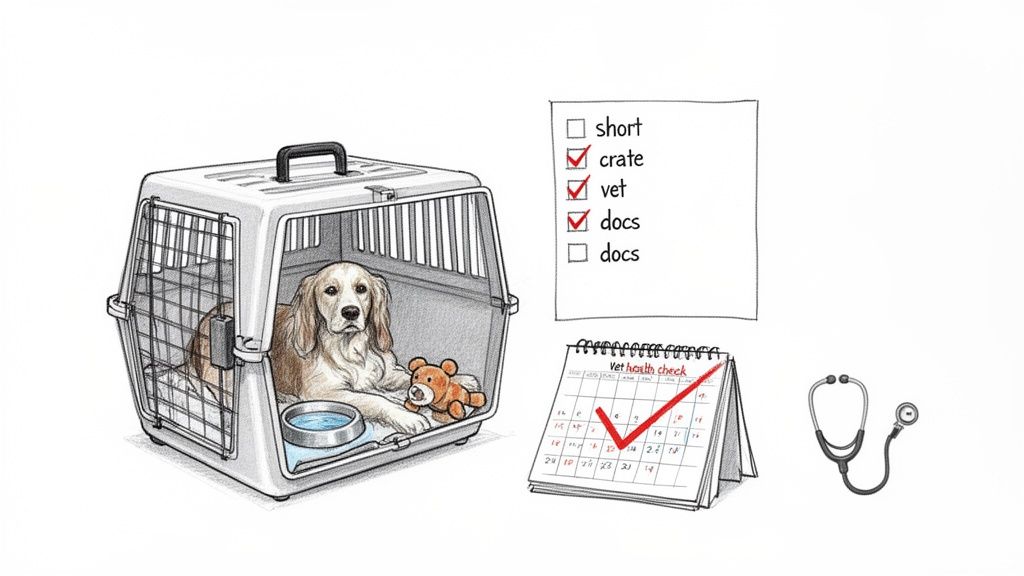
A successful pet relocation is all about the groundwork. Solid preparation turns a potentially stressful event into a well-managed journey for everyone involved—especially the pet. By planning ahead, pet owners and their veterinary teams can ensure every box is ticked long before the travel day arrives.
This isn't something you can rush. The key is to be proactive, not reactive, because the clock starts ticking the moment a move is on the horizon. Many steps, from vaccinations to health certificates, have waiting periods that can stretch over several months.
Starting the Journey Right: Crate Training
During travel, the crate is your pet’s private den. It’s critical they see it as a safe space, not a scary box. That’s why crate training is one of the most important things you can do to prepare.
Start the process weeks, or even months, before the trip. Just place the crate in your living room with the door open. Toss some treats inside, feed them their meals in there, and line it with a familiar blanket. The goal is to build a positive association. Slowly work up to closing the door for short periods, helping them learn that the crate is a perfectly normal place to chill out.
A pet who is comfortable in their crate will experience significantly less anxiety. It’s a simple step that makes a world of difference.
Timing Your Vet Visits Perfectly
The final health check is a make-or-break moment with a very specific deadline. Most airlines and countries ask for the official health certificate to be issued within a strict window, often just 10 days before departure. Scheduling this appointment needs to be done with precision.
Book that final visit well in advance, and confirm your veterinarian is accredited and understands the rules for your destination. This is the appointment where all the official travel documents get signed, confirming your pet is healthy and fit to fly. Missing this 10-day window could invalidate everything and bring your plans to a screeching halt.
A successful pet move is a partnership between the owner, the veterinarian, and the pet courier service. Clear communication and proactive planning are the keys to navigating the process without last-minute panic.
This team approach helps ensure that all health requirements are met, paperwork is flawless, and your pet is truly ready for their big adventure.
Your Pre-Travel Checklist
A checklist is your best friend for keeping a massive project like this organized. It breaks everything down into small, manageable tasks so nothing falls through the cracks.
Here’s a practical checklist to guide you and your veterinary team:
Confirm Destination Requirements Early: The second you know where you’re headed, research the import rules. Pet courier services are the experts here, but it’s smart for you to understand the timeline, too.
Verify the Microchip: Make sure your pet’s microchip is an ISO-compliant, 15-digit chip. At your next vet visit, have them scan it to confirm it’s working and the number matches all your paperwork.
Update All Vaccinations: Double-check that every required vaccination is current, especially rabies. Some countries have specific rules about how long before travel a shot must be given.
Double-Check All Paperwork: Before anything gets submitted, review every single page. Look for matching microchip numbers, correct dates, and consistent name spellings. One tiny typo can create a huge headache.
Prepare a Travel Kit: Pack a small bag that travels with your pet. Include a supply of their regular food, a familiar toy or blanket that smells like home, and any medications with clear instructions.
Finalize Crate Preparations: Ensure the travel crate is airline-approved, the right size, and clearly labeled with your contact details. Attach food and water dishes to the inside of the door so they’re accessible.
Following these practices helps make your pet's journey a "fur-st class" experience. It all comes down to careful planning and great teamwork, ensuring your companion arrives at their new home safe, sound, and ready for the next chapter.
A Few Common Questions About Pet Courier Services
Pet travel can feel like a maze of logistics and rules, so it's only natural to have questions. When it comes to your pet's safety and well-being, every detail matters. We've gathered some of the most common questions we hear to give you clear, straightforward answers and help you feel confident about the journey ahead.
Let's clear up the confusion and tackle what's on every pet owner's mind.
How Much Do Pet Courier Services Cost?
This is almost always the first question, and the most honest answer is: it depends. There's no flat rate for moving a pet. It's a lot like booking a flight for yourself—a quick domestic trip just isn't in the same ballpark as a first-class international ticket with multiple layovers.
Several key factors determine the final price:
Distance and Destination: A cross-country drive is naturally going to be less expensive than an international flight to a country with strict import rules.
Pet's Size and Weight: Bigger pets need bigger, heavier travel crates. This adds to the cost for both ground and air transport, as they take up more space and weight.
Service Level: A full-service, door-to-door package that handles everything for you will cost more than a basic airport-to-airport service where you manage the drop-off and pickup yourself.
Is It Really Safe to Send My Pet Via Air Cargo?
The thought of your pet in the cargo hold can be nerve-wracking, but it's a world away from being tossed in with the luggage. Pets fly in a dedicated, climate-controlled, and pressurized compartment specifically designed for live animals. Airlines and professional couriers take this very seriously.
Professional handlers are trained to manage animals with care. They make sure crates are secured properly, and pets are always the last to be loaded onto the plane and the very first to be unloaded upon arrival. While no travel is ever completely risk-free, using an experienced pet courier greatly minimizes potential problems by making sure every safety protocol is followed.
How Far in Advance Should I Book a Pet Courier?
When it comes to pet travel, procrastination is your worst enemy. The simple rule is: the earlier, the better. For any international move, we strongly recommend starting the process at least three to six months before you plan to leave.
Many countries have waiting periods after certain vaccinations or blood tests. Some of these waiting periods can be as long as 180 days. Booking early is the only way to meet these strict timelines without a last-minute panic.
This kind of lead time gives everyone involved—you, your vet, and the courier—the breathing room needed to navigate all the complex steps. It helps avoid the stress of a frantic, last-minute scramble and makes sure your pet's journey is a smooth one from the very start. A little planning ahead makes the entire experience less "ruff" on everyone.
Coordinating pet travel demands perfect documentation and flawless timing. Passpaw gives your veterinary practice the tools to manage international health certificates with confidence, slashing errors and keeping clients in the loop. Simplify compliance and give pet owners peace of mind by learning more at https://passpaw.com.
More articles
From regulatory changes to best practices for veterinarians and pet owners, our resources keep you ahead of the curve.