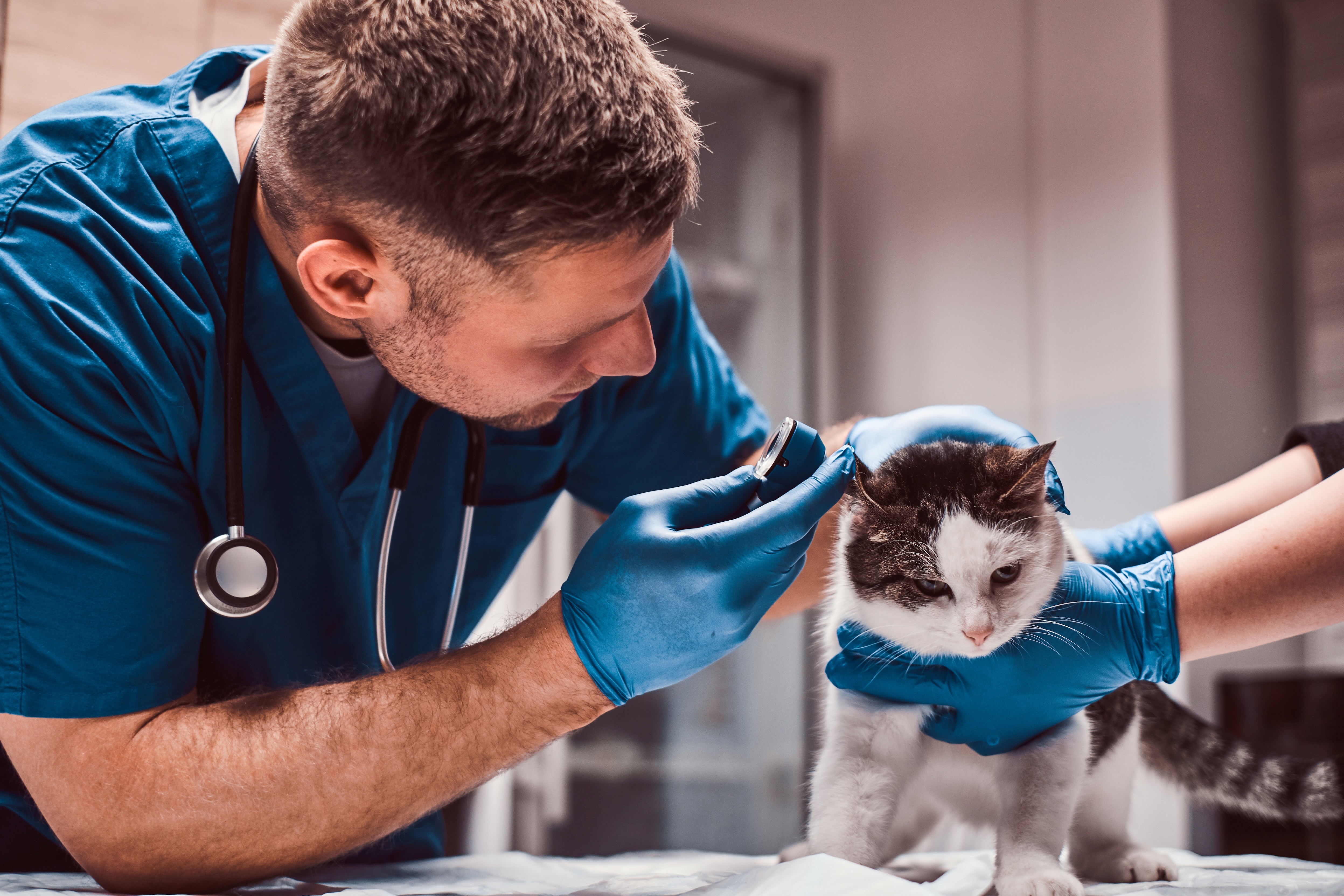
Are you a team member in a veterinary practice?
Are you a pet parent planning a trip with your furry pal?
A Pet Parent's Guide to the Travel Health Certificate for Dogs
Planning to bring your furry co-pilot on your next trip? Before you jet off, you’ll need a travel health certificate for dogs. Think of this as your dog's official passport to adventure—it’s a formal document from a licensed veterinarian confirming your pet is healthy, up-to-date on vaccines, and ready for takeoff.
Most airlines and nearly all international destinations require one, so getting this sorted is a key part of your travel prep.
Getting Your Dog's Paperwork in Order
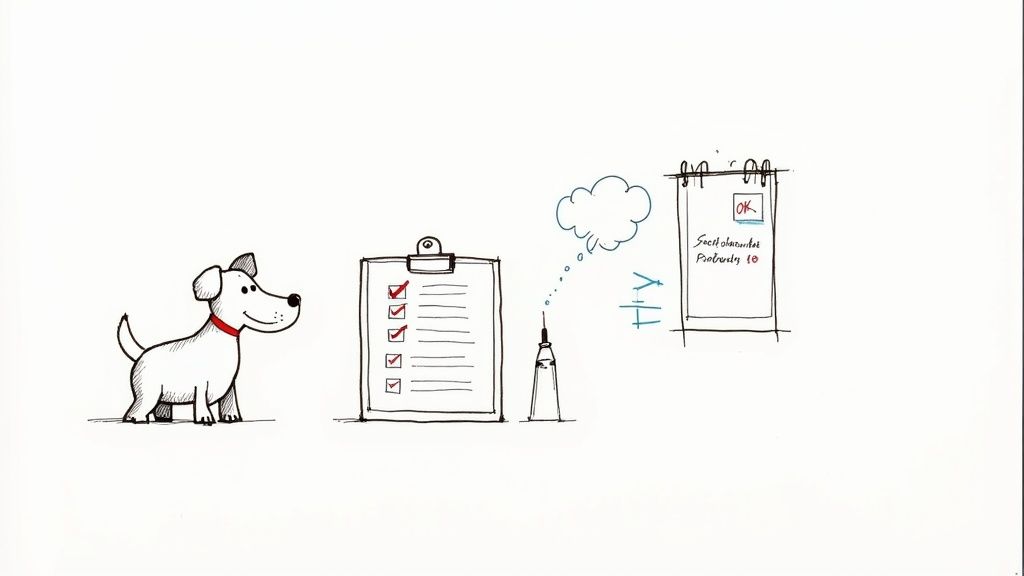
Preparing for a trip with your four-legged friend involves more than just packing their favorite squeaky toy. Getting the right paperwork is essential for a smooth, stress-free experience for both of you. This official certificate is your proof that your dog is in good health, free from contagious diseases, and meets all vaccination requirements.
And this isn't just a friendly suggestion; it's a firm rule for most travel. Airlines need to know your pet is fit for the journey, and destination countries have specific rules to protect their local animal populations from outside diseases. Without the correct, properly completed certificate, your dog could be denied boarding or, in a worst-case scenario, face quarantine upon arrival.
The number of these certificates tells a story. The global market for pet travel documentation recently hit USD 1.14 billion, a figure that’s climbing as more people travel with their pets and navigate the complex rules that come with it.
Why You Shouldn't Wait Until the Last Minute
We see it all the time: owners scrambling a week before their flight. Getting a travel health certificate for your dog is not a last-minute task. Putting it off is your worst enemy here, as the whole process is built around specific timelines that can start months before you even think about packing.
Let's break down why you need to get a head start.
To help you get organized, here’s a quick overview of the key steps and timelines you'll need to think about right from the start.
Quick-Start Dog Travel Document Checklist
Action Item | Key Consideration | Recommended Timeline |
|---|---|---|
Check Destination Rules | Every country (and even some states) has different requirements. | 3-6 months before travel |
Confirm Vaccinations | Rabies vaccines often need to be given 21-30 days prior to travel. | 2-3 months before travel |
Book Vet Appointment | You need a USDA-accredited vet, and their schedules fill up fast. | 1-2 months before travel |
Schedule USDA Endorsement | This often needs to happen within 10 days of your departure. | 2-3 weeks before travel |
This checklist is just a starting point, but it should give you a clear sense of how far in advance you need to begin planning.
Now, let's dig into the details.
Understanding the Timelines
Vaccination Windows: Many destinations require the rabies vaccine to be given at least 21-30 days before you travel. Some rabies-free countries go a step further, requiring a blood test (called a titer) to confirm the vaccine is working. That test alone can take several months to process. For a closer look at this, check out our guide on understanding proof of rabies vaccine.
Finding the Right Vet: You can't just go to any vet. You’ll need to book an appointment with a USDA-accredited veterinarian who is authorized to issue international health certificates. These specialists are in high demand, so booking well in advance is key to hitting your deadlines.
Government Endorsement: For international trips, the certificate your vet signs isn't the final step. It often needs to be endorsed by a government agency like the USDA APHIS, and this has to be done within a very tight window—typically just 10 days before your flight.
The biggest mistake we see pet owners make is assuming all travel requirements are the same. A road trip from California to New York has very different rules than a flight from New York to Japan. Every destination, and sometimes every airline, sets its own specific health and documentation standards.
Getting organized from the start turns this process from a frantic scramble into an exciting prelude to your adventure. It’s all about making sure your best friend is safe, healthy, and fully prepared for the journey ahead. Let's make this process as smooth as a freshly groomed coat.
Decoding Your Destination's Pet Travel Rules

Every country plays by its own set of rules, and when it comes to bringing pets across borders, those rules can be very strict. Before you can even think about getting the right travel health certificate for dogs, you have to become a bit of a pet travel detective. This means digging into the official, up-to-date import requirements for your specific destination.
We can't stress this enough: this step is a must-do. Guessing or using an old forum post as your guide can lead to heartbreaking denials at the border, turning what should be an exciting adventure into a nightmare. You have to know what's expected before you go.
For anyone flying out of the United States, your best source of truth is the USDA Animal and Plant Health Inspection Service (APHIS) website. Think of it as the go-to guide for international pet travel, offering detailed requirements for countries all over the world. It’s always the best place to start.
Finding Official Pet Import Rules
Sifting through government websites can feel like looking for a needle in a haystack, but knowing where to start makes all the difference. Beyond the USDA site, we always recommend checking the destination country's own government or agricultural agency website. Things can change, and having two official sources is better than one.
Here’s where to focus your search:
USDA APHIS Pet Travel Site: This is your home base. Use their dropdown menu to select your destination and get a clear breakdown of the requirements.
Destination Country's Embassy or Consulate: These sites often have a dedicated section for bringing pets into the country, complete with official forms and contact details.
Ministry of Agriculture/Food/Environment: In your destination country, look for the government body that handles animal imports. A quick search for "[Country Name] pet import regulations" usually points you in the right direction.
If you want a deeper dive into what this research looks like in practice, check out our detailed guide on international pet travel requirements.
Key Requirements to Look For
As you dig in, you'll start to see a few common themes. While every country has its quirks, most rules are designed to protect the local animal population from outside diseases.
For instance, the rules for taking your dog to Hawaii are very different than flying to France. Because Hawaii is a rabies-free state, its entry process is among the strictest in the US, requiring specific blood tests and a lengthy waiting period.
Think of your dog's microchip as their passport number. It should be an ISO-compliant, 15-digit chip, as this is the global standard. If your pet has an older, non-ISO chip, you might need to get a new one implanted or even carry your own scanner.
Pay close attention to these important details:
Microchip Standards: Almost every country now asks for an ISO 11784/11785 compliant 15-digit microchip. The crucial part? The chip should be implanted before the rabies vaccination is given. The order matters.
Vaccine Protocols: A current rabies vaccine is a given. But it's the timing that trips people up. Many countries require the vaccine to be given at least 21-30 days before you arrive. They may also ask for other vaccines, like those for distemper or leptospirosis.
Parasite Treatments: It's common for countries to require specific treatments for internal and external parasites (like ticks, fleas, and tapeworms). These almost always have to be given by a vet within a very strict timeframe before you leave.
Teaming Up with Your Vet for a Smooth Departure
When it comes to getting a travel health certificate for dogs, your veterinarian is your most important ally. They're not just there for a quick exam; they're the ones who will navigate the specific medical requirements of your destination country and help make sure every box is checked. Think of this as a partnership—one that's crucial for a stress-free travel day.
First thing's first: you need to confirm that your vet is USDA-accredited. Not all vets have this specific federal accreditation, and it's needed for anyone signing an international health certificate. An accredited vet is officially authorized by the U.S. Department of Agriculture to certify that your dog meets all the health rules for your destination.
What to Do Before Your Vet Consultation
To get the most out of your vet visit, it helps to show up prepared. Your vet is a medical expert, but they aren't a walking encyclopedia of every country's pet import rules. You’ll make their job—and your life—much easier by bringing the detailed requirements you’ve already researched.
It’s a team effort. You bring the "what" (the destination's rules), and your vet provides the "how" (the medical sign-offs and official paperwork). This simple collaboration is the best way to catch potential mistakes that could derail your trip.
Here's a quick checklist of what to bring to that appointment:
The Official Rules: A printout of the import requirements from both the USDA APHIS site and the official government website of your destination country.
Your Itinerary: Flight dates and details are important. Many health certificates have a strict 10-day validity window before you travel.
Your Dog's Records: Pack your dog’s entire medical history, especially their vaccination records and microchip details.
Your Veterinarian’s Role in the Process
During the appointment, your vet will give your dog a thorough exam to confirm they are healthy and "fit to fly." This is much more than just a formality. Getting a travel health certificate involves several important steps and tight deadlines, all starting with this pre-travel examination by a licensed vet. Vets put their name on the line when they endorse these certificates, taking responsibility for their accuracy. You can learn more about how vets handle these important certificates here.
Don't be afraid to ask questions! Clarify the exact timelines for any needed parasite treatments, ask them to scan the microchip to confirm it works, and double-check that the rabies vaccination dates line up perfectly with the rules. One question now can save you a world of headaches later.
Ultimately, your vet's signature is what makes the document official, but it's the careful work you do together beforehand that makes it all possible. Schedule this appointment well in advance, and you'll be one giant step closer to getting your pup ready for their big adventure.
Getting the Final USDA Endorsement
You’ve made it through the vet visit and have the signed health certificate in hand. That’s a huge step, but for any international trip, there’s one last gatekeeper: the United States Department of Agriculture (USDA) Animal and Plant Health Inspection Service (APHIS). You now need their official stamp of approval, a process called endorsement.
This isn’t just a rubber stamp. This is the federal government officially validating your vet's work, essentially telling your destination country, "Yes, we confirm this pet meets all the required health standards for travel." Without that USDA seal, a travel health certificate for dogs is just a piece of paper. With it, it’s a globally recognized travel document.
The whole process hinges on a successful veterinary visit, which is the key first step before you can even think about USDA endorsement.
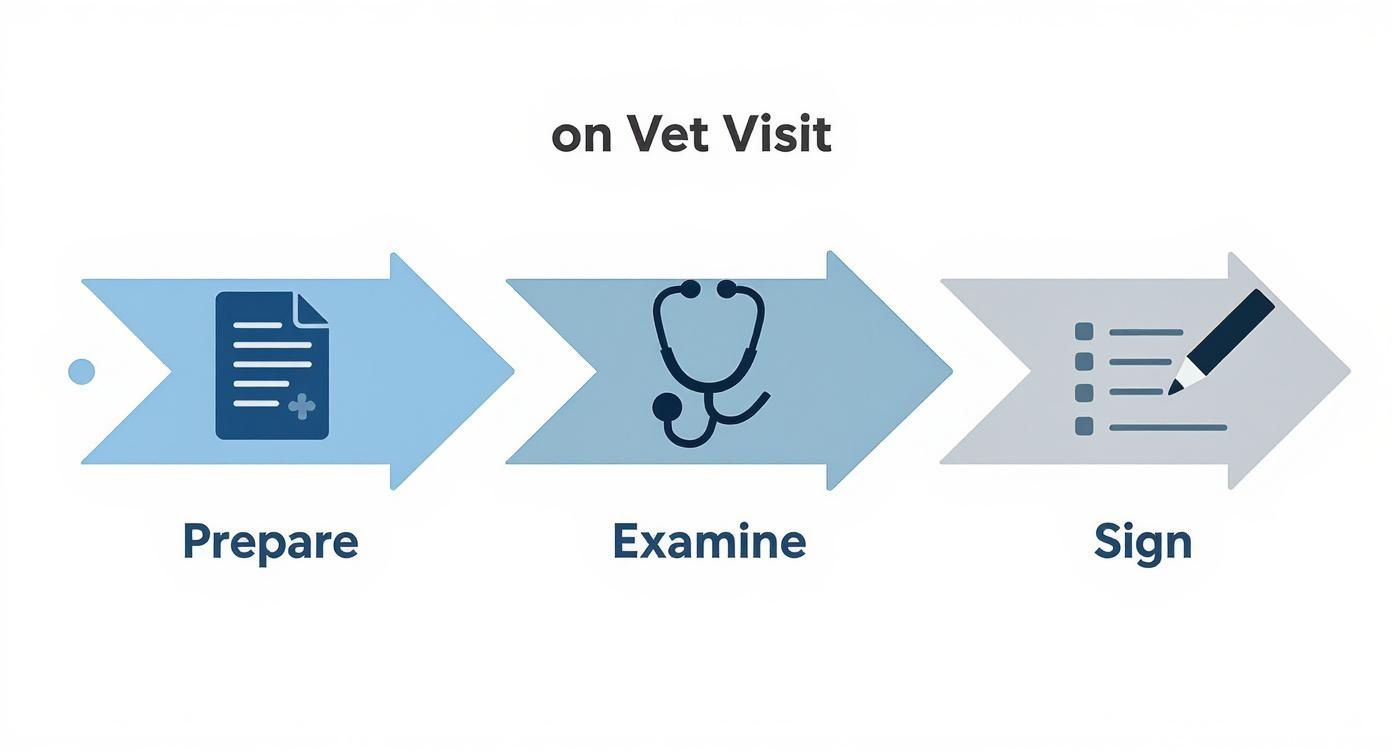
As you can see, solid preparation is what gets you the signed certificate you'll need for this final stage.
How to Get Your Certificate Endorsed
When it comes to getting the final sign-off from USDA APHIS, you have two main options. Each comes with its own set of pros and cons, which matter a lot when you're up against a tight deadline.
By Mail or Shipping Service: You can send your documents directly to the correct USDA endorsement office. It’s convenient, but you have to plan ahead. Use a trackable overnight service and, importantly, include a pre-paid return shipping label. The biggest risk here? Mail delays. A one-day holdup can throw your entire timeline into chaos.
In-Person Appointment: Some USDA offices allow you to book an in-person appointment. This is usually the fastest and most secure way to get it done, since you can walk out with the endorsed documents that same day. The downside is that appointments can be tough to get, and you might be looking at a long drive to the nearest office.
The timeline is what makes or breaks this step. Many countries require the entire process—from the vet's exam to the final USDA endorsement—to be completed within 10 days of departure. This is where careful planning really pays off.
Because this step is so time-sensitive, it’s smart to look at all your options carefully. For a much deeper dive, check out our guide on how to get a USDA-endorsed pet health certificate.
Your Final Travel Folder Checklist
Once you have that golden USDA stamp, it's time to put together your dog's official travel folder. We can't stress this enough: have both physical and digital copies of every single document. Being organized is the difference between a smooth check-in and a travel day nightmare.
Make sure your folder has these essentials:
The Original Endorsed Health Certificate: This is your golden ticket. Keep it somewhere safe but easily accessible.
Rabies Vaccination Certificate: Don't forget the original, signed rabies certificate.
Proof of Microchip: You'll want the paperwork showing the microchip number and when it was implanted.
Airline-Specific Forms: Check with your airline. Many have their own pet travel forms that need to be filled out.
Your Contact Information: A simple sheet with your name, phone number, and your dog's details is a great backup to have.
Securing the final endorsement can feel like the last leg of a marathon. But once you cross that finish line, your furry co-pilot is officially cleared for takeoff.
Common Mistakes to Avoid on Your Journey
Even with the best-laid plans, navigating the world of pet travel can get a little hairy. Getting a travel health certificate for dogs has a lot of moving parts, and one tiny slip-up can snowball into a major headache.
Let’s be honest, learning from others' mistakes is way less stressful than making them yourself.
One of the most common trip-ups? Misunderstanding the timelines. That well-known "10-day window" for the health certificate is a classic point of confusion. Does it start the day of the vet visit, or the day the government endorses it? For most international moves, the clock starts ticking the moment your USDA-accredited vet examines your pet and signs the form.
Another big one is assuming any vet can just whip up the right paperwork. Only a USDA-accredited veterinarian is authorized to issue an international health certificate. Showing up at your regular vet's office only to discover they aren't accredited can throw you into a last-minute scramble you really don't need.
Pro Tips for a Flawless Trip
Beyond just dodging the big mistakes, a few insider tricks can make all the difference. Simple prep work now can save you a world of pain at the airport or border control later.
Here are a few habits we always recommend travelers adopt:
Go Digital and Physical: Scan every single document—the health certificate, vaccination records, airline forms. Save them to your phone and a cloud service like Google Drive. But always carry the original hard copies in a travel folder you can grab in a second.
Confirm Microchip Compatibility: Before you even think about booking a flight, have your vet scan your dog's microchip. You need to know it's working and that it's the correct ISO-compliant format required by most countries.
Double-Check with Your Airline: Don't just rely on what the destination country says. Your airline might have its own, often stricter, set of rules. Call them. Get the policy in writing.
We've seen this happen more times than we can count: an airline's policy will override the country's rules. For instance, some airlines ask that the health certificate be issued within five days of travel, even if the destination country gives you ten. You have to check both.
This extra layer of verification is very important. It’s a perfect example of why timely vet checks and documentation are so critical for international pet travel. If you want to dive deeper into these airline-specific demands, you can learn more about how travel clinics handle these certificates.
By sidestepping these common pitfalls, you’re not just getting paperwork done. You’re making sure the entire adventure is safer and way more enjoyable for your best friend. A little extra diligence goes a long, long way.
Your Top Questions Answered
Trying to figure out the rules for a travel health certificate for dogs can feel like you're untangling a giant knot. Don't worry, you're not alone. We get these questions all the time, and we've got the answers to clear things up and get you ready for your trip.
The whole point of this paperwork is just to prove your dog is healthy and won't be a risk to other animals where you're going. Once you break it down, it's a lot less intimidating. Let's dig into what other pet owners are asking.
How Long Is a Dog's Travel Health Certificate Good For?
This is easily one of the most critical questions, and the answer is… it depends. It comes down to your specific destination and even your airline.
For most international trips, the clock starts ticking the moment your vet signs the paperwork. You typically have just 10 days from that signature to get the USDA endorsement and board your flight. That window is famously tight.
But it’s a big mistake to assume that 10-day rule applies everywhere. Some countries have their own unique timelines, so you have to verify the specific requirements for your arrival country.
A pro tip: Always check the rules for both the destination country and your airline. Sometimes an airline's policy is even stricter than the country's, and you have to follow whichever one is more demanding. No exceptions.
What’s the Difference Between Domestic and International Certificates?
They might sound similar, but a domestic health certificate and an international one are two completely different beasts. Getting them mixed up can stop your travel plans in their tracks.
Domestic Health Certificate: You'll see this called a Certificate of Veterinary Inspection (CVI). It’s for travel within the United States. It's a much simpler form that basically just confirms your dog is healthy and current on their rabies vaccine.
International Health Certificate: This is the big one. It's a far more complex document needed for travel to other countries. It has to be filled out by a special USDA-accredited veterinarian and then sent off for an official endorsement from the USDA APHIS. This process certifies that your pet meets the very specific health rules of the country you're visiting.
Can I Just Get a Dog Travel Health Certificate Online?
It's a fair question in today's digital world, but the answer is no—at least, not completely.
A physical examination by a licensed, accredited veterinarian is a must; it's required. The vet has to physically see your dog to assess their health before they can sign the official forms. There’s no getting around that in-person visit.
However, you're not totally on your own. Platforms can help you organize the paperwork, track those all-important deadlines, and make sure you have every piece of information correct. It can definitely make the process less of a headache, but that core vet visit is still a key step you can’t skip.
Are you a vet practice looking to simplify this whole process? Passpaw provides the tools you need to manage pet travel documents, track requirements, and keep clients informed every step of the way. Make pet travel compliance easier for everyone at https://passpaw.com.
More articles
From regulatory changes to best practices for veterinarians and pet owners, our resources keep you ahead of the curve.