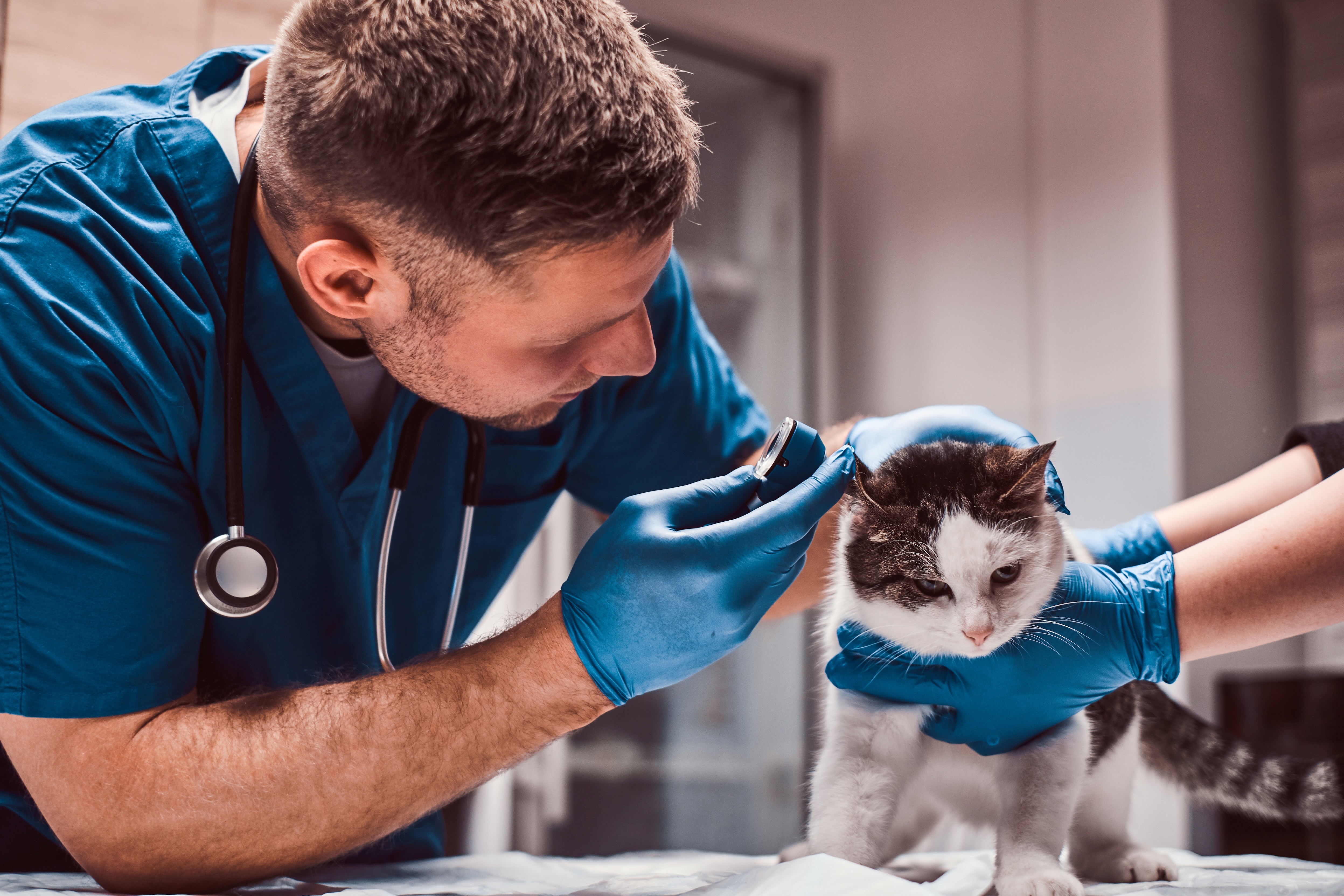
Are you a team member in a veterinary practice?
Are you a pet parent planning a trip with your furry pal?
How to Transport Pets Cross Country Without the Stress
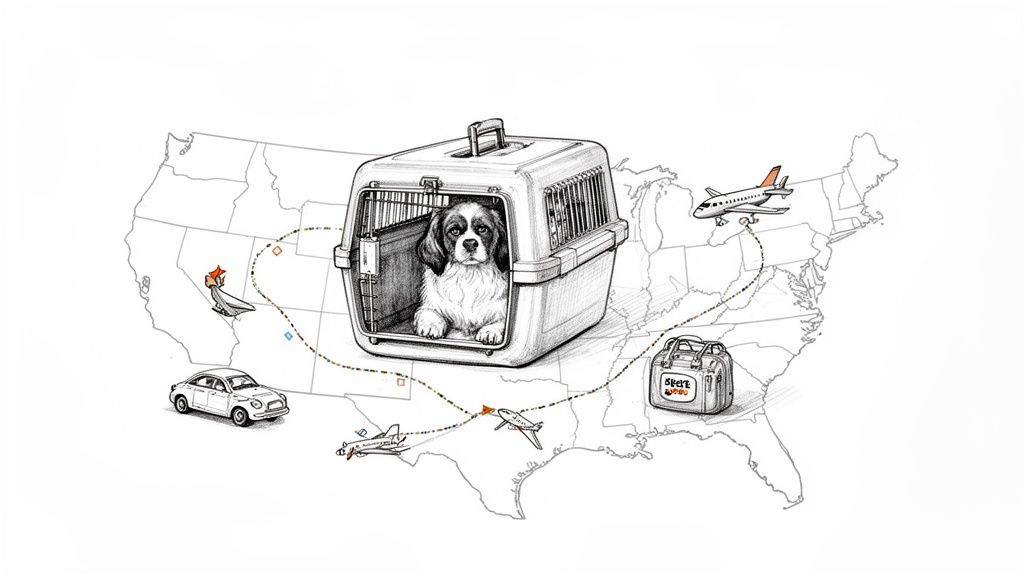
Facing a long-distance move with your pet is a big project, but it doesn't have to be a stressful one. The secret to a successful cross-country pet move is breaking it down into smaller, more manageable pieces. It all comes down to planning your timeline, getting the veterinary paperwork in order, picking the right travel method, and making sure your pet is comfortable with their travel gear.
A little thoughtful preparation can turn what feels like a monumental task into a smooth adventure for everyone.
Your Guide to a Pawsitively Smooth Cross Country Move
Moving to a new home is already a huge undertaking. When you add a beloved pet to the mix, their safety and comfort shoot right to the top of the list. Whether you're relocating for work, family, or just a change of scenery, making sure your companion’s journey is as calm as possible is everything.
I get it—the thought of juggling vet visits, travel logistics, and packing can feel like a heavy lift. But you're in the right place.
This guide is your complete roadmap, built to walk you through every single stage. We’ll explore the best ways to transport pets across the country, giving you the clarity you need to make the right calls for your specific situation. And you're not alone in this; a recent survey found that over 50% of pet owners plan to travel with their pets, making pet-friendly moving more common than ever.
What to Expect in This Guide
We’ll cover all the essentials to ensure a seamless transition for your pet. Here’s a quick preview of what we’ll get into:
Essential Vet Prep: We'll cover why pre-move vet visits are so important, from securing health certificates to making sure vaccinations are up to date.
Travel Method Comparisons: A detailed breakdown of driving, flying, and hiring professional shippers to help you choose the best fit for your pet and your budget.
Travel Day Checklists: Actionable plans for the big day so you don't miss a single detail.
Settling In: Practical tips for helping your pet adjust to their new home quickly and comfortably.
A successful pet move isn't about a one-size-fits-all solution. It's about tailoring the plan to your pet's specific personality, health, and needs. A little extra planning goes a long way in ensuring they arrive happy and ready for your new life together.
Think of this as your friendly, expert-backed plan. We'll break down each stage with practical advice and real-world tips, taking the guesswork out of the process so you can focus on the excitement of your new home. For a deeper dive into the world of pet travel, you can find more information about planning successful pet journeys on our blog.
Let’s get this journey started on the right paw.
Preparing Your Pet for the Big Journey
A successful cross-country move with your pet doesn’t start on moving day. It begins weeks, sometimes months, in advance with careful planning. Getting the preparation right is the key to a low-stress experience for both you and your pet, and it all starts with a trip to your veterinarian.
Think of this pre-move check-up as your pet’s official clearance for travel. Your vet will give them a thorough exam to confirm they’re healthy enough for the journey, make sure all vaccinations are up to date, and talk through any travel-specific concerns, like motion sickness. This is also where you’ll get the single most important piece of paper for your move: the Certificate of Veterinary Inspection (CVI).
The All-Important Health Certificate
A CVI, often just called a pet health certificate, is an official document signed by an accredited veterinarian. It’s their stamp of approval, confirming your pet is healthy and free from contagious diseases. For good reason, most states suggest having one for any animal crossing their borders, and airlines will definitely ask for it.
Timing is everything with these certificates. Most are only valid for 30 days from the issue date. This creates a tricky balancing act—you need to schedule the vet visit close enough to your travel date so the CVI is still valid when you arrive, but with enough of a buffer to handle any last-minute surprises.
This timeline gives you a bird's-eye view of the entire process, from planning and the actual journey to finally settling in.
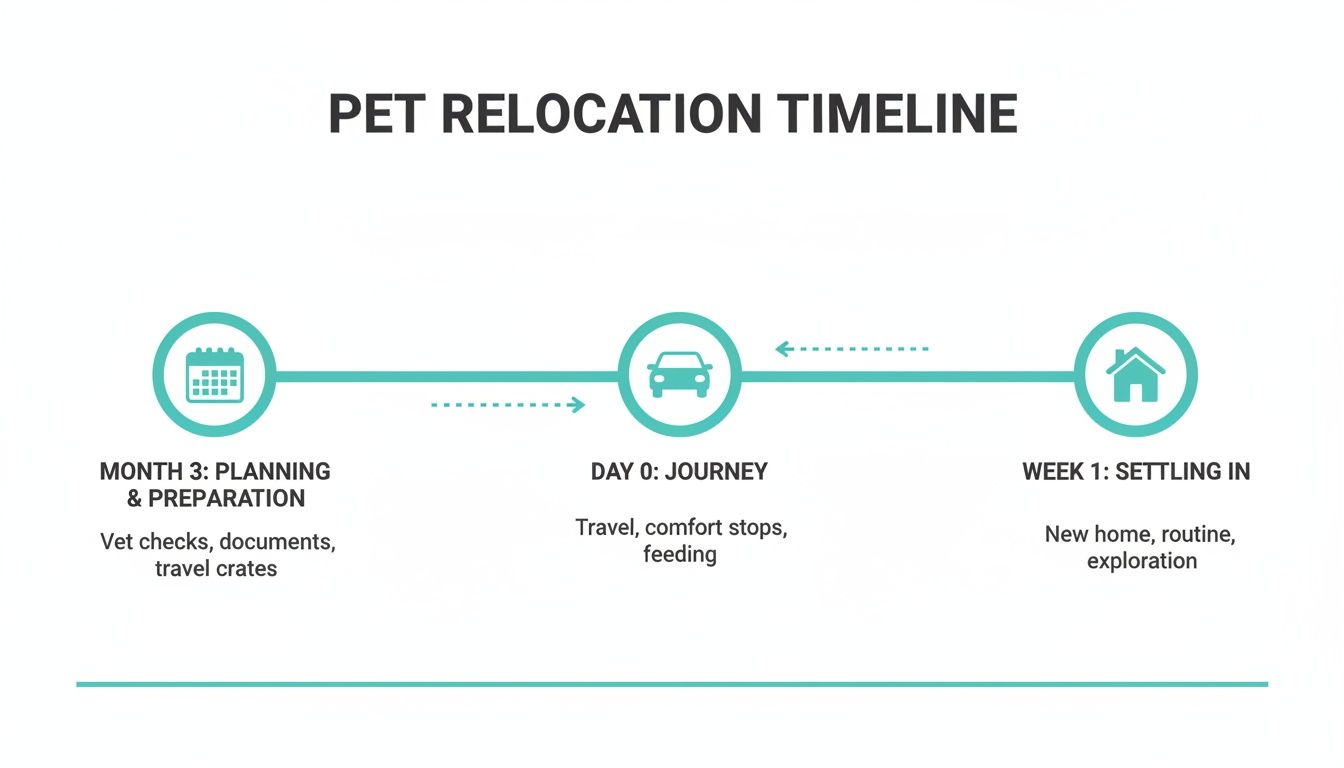
As you can see, the planning phase is the most intensive. It requires a lot of coordination between vet visits and paperwork long before you hit the road. For a deep dive into what’s involved, you can learn more about the specifics of a pet health certificate in our dedicated article.
Navigating State Rules and Paperwork
Every state has its own guidelines for animals coming in. That's why having the right paperwork isn't just a suggestion—it's a really good idea. While you probably won't get stopped at a "border check" when driving, having a valid CVI means you're prepared and ready for anything.
A cross-country move can easily involve juggling between 3 to 10 distinct documents, all timed backward from your departure date. Getting this wrong can cause major headaches, so organization is key.
Beyond the CVI, double-check that your pet’s other records are squared away:
Vaccinations: Rabies is the big one, but always check your destination state’s requirements for others, like Bordetella for dogs.
Microchip Information: Is your new address and phone number updated in the microchip registry? It’s a five-minute task that could be a lifesaver.
ID Tags: Make sure your pet is wearing a collar with clear, readable ID tags showing your current cell phone number.
Crate Training: Creating a Safe Space for Travel
During the move, your pet’s travel carrier is their personal safe space. To make it a comforting den instead of a scary box, you should start crate training weeks, or even months, ahead of time. The goal is for them to see the crate as a safe, familiar spot.
Begin by placing the crate in a central area of your home with the door wide open. Encourage them to explore it on their own by tossing in treats, their favorite toys, or even feeding them their meals inside.
Key Takeaway: Positive reinforcement is your best tool here. Never, ever force your pet into the carrier. Your patience in making it an inviting space they choose to enter will pay off big time on travel day.
Once they’re comfortable going in and out, you can start closing the door for just a few seconds at a time, gradually making it longer. Taking them on short, happy car rides around the block also helps them get used to the motion. This prep work can dramatically reduce their anxiety, making the long journey much calmer for everyone.
For more great advice on the bigger picture of relocating, check out these tips for a cross-country move from people who’ve been there.
Choosing the Best Travel Method for Your Pet
Deciding how to get your pet across the country is easily one of the biggest choices you'll make during your move. This decision is about more than just getting from point A to B; it directly impacts your pet's well-being, your budget, and your own stress levels. There isn't a one-size-fits-all answer here. The right method really depends on your pet’s personality, health, size, and your moving timeline.
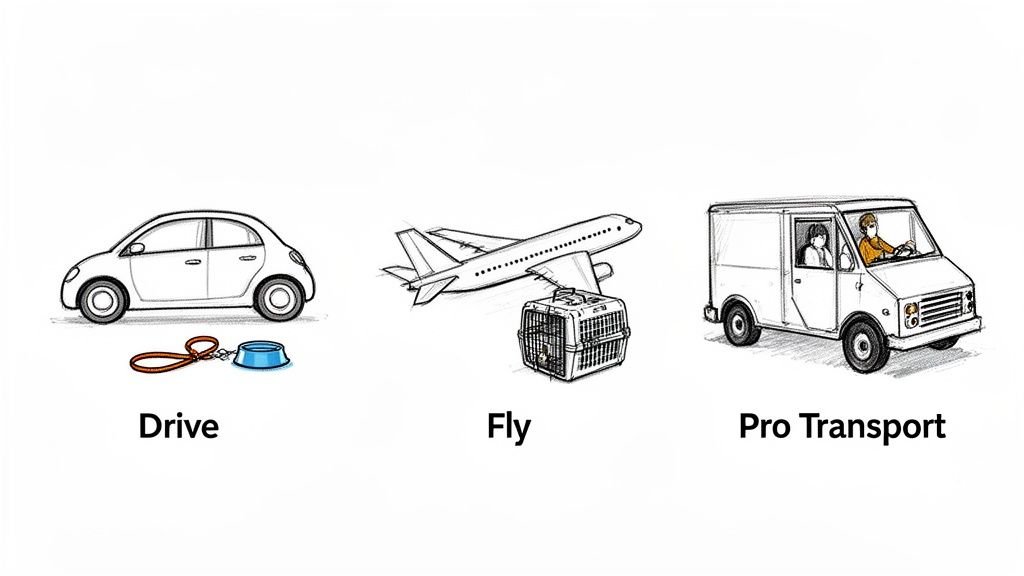
Your main options boil down to three choices: driving them yourself, flying, or hiring a professional ground transport service. Each has its own reality, with clear pros and cons. Let's walk through them honestly so you can make a confident choice for your furry (or feathered, or scaled) family member.
Driving: The Personal Road Trip
The cross-country road trip is the most hands-on approach, giving you total control over the environment, schedule, and your pet’s care. For anxious animals who take comfort in having you nearby, this is often the best way to go.
You’re in the driver’s seat—literally. You manage every potty break, mealtime, and overnight stay. It can turn the move into a shared adventure, but it demands a serious time commitment and a whole lot of planning.
The Highs and Lows of Driving
Pro: Constant Supervision. Your pet is right there with you, which can massively reduce their stress. You can offer comfort and keep a close eye on how they’re doing.
Pro: Cost-Effective. This is usually the most budget-friendly route. Your main costs are gas, your own food, and pet-friendly hotel fees, which often run an extra $25 to $75 per night.
Con: Time-Consuming. A drive across the U.S. can take several days, a luxury not everyone has with tight work or moving deadlines.
Con: Logistical Hurdles. Finding and booking pet-friendly lodging along your entire route takes forward planning. Not every hotel welcomes pets, and many have breed or size restrictions.
A road trip works best for owners with flexible schedules and pets who are already comfortable in the car. It's also the safest—and often only—option for brachycephalic (flat-faced) breeds like Pugs, French Bulldogs, and Persian cats, who are often not permitted to fly due to respiratory risks.
Flying: The Fast-Track Option
When time is short, flying is hands-down the fastest way to transport a pet cross-country. A trip that takes days on the road is over in just a few hours. But that speed comes with a whole different set of rules and challenges.
Pets can fly in one of two ways: in the cabin with you or as checked baggage or cargo.
In-Cabin vs. Cargo Travel
In-Cabin: This option is just for small pets who can fit in a carrier under the seat in front of you. It’s ideal because your pet stays by your side, but it’s limited to animals under a certain weight—usually around 20 pounds.
Cargo: Larger pets travel in a pressurized, temperature-controlled compartment. While airlines have safety protocols, it can be a stressful and strange experience for a pet.
Expert Insight: The cargo hold is loud, with unfamiliar smells and movements. For a pet who's never flown, this can be incredibly overwhelming. It’s important to weigh the speed of air travel against the potential stress it could cause your individual animal.
Airlines have strict rules for everything from carriers and health documents to weather conditions. Many won't fly pets during extreme heat or cold, which can derail your plans. For a deep dive into finding the right gear, our guide on choosing an airline-approved pet carrier is a must-read.
Hiring a Professional Pet Transporter
If driving isn't an option and you're uneasy about flying, a professional pet transport service is a fantastic middle ground. These companies specialize in ground transport for pets, using climate-controlled vehicles and experienced handlers who make your pet’s safety their top priority.
Think of it as a door-to-door chauffeur service for your animal. They manage all the driving and logistics, giving you regular updates so you know how things are going. While it's the most expensive option, the peace of mind it provides is priceless for many owners.
Finding a Reputable Service Not all pet transport services are created equal, and doing your homework here is very important.
Here are the key questions to ask any potential transporter:
Are you USDA licensed? Reputable interstate animal transporters are typically licensed by the USDA. You can ask for their number and look it up.
What kind of vehicle do you use? It should be climate-controlled and well-ventilated. Ask how many pets travel at once and how they are secured.
How often do you stop for breaks? A quality service will stop every few hours for walks, water, and potty breaks.
How will you keep me updated? Ask if they provide photo or text updates throughout the journey.
What is your emergency plan? They should have a clear plan for medical emergencies, including access to on-call veterinarians.
Planning a move, whether domestic or international, is all about nailing the logistics for both your pets and your belongings. For those taking an even bigger leap, understanding shipping considerations for international moves can shed light on the added complexities. A professional service is a fantastic choice for complicated moves, multiple pets, or for any owner who wants an expert to handle the entire journey from start to finish.
To help you visualize the trade-offs, here’s a quick comparison of your main options.
Comparing Pet Transport Options: Car vs. Air vs. Pro Service
Travel Method | Best Suited For | Average Cost Range | Key Considerations |
|---|---|---|---|
Driving (DIY) | Anxious pets, brachycephalic breeds, owners with flexible schedules, budget-conscious moves. | $200 - $800+ | Requires significant time; finding pet-friendly hotels; pet's comfort in the car. |
Flying (Air Travel) | Small pets (in-cabin), long-distance moves where speed is critical, pets who are calm travelers. | $125 - $1,500+ | Strict airline rules; risk of temperature restrictions; potential stress for the pet, especially in cargo. |
Professional Transport | Owners with tight schedules, multiple pets, large animals, or those seeking maximum peace of mind. | $800 - $3,000+ | Highest cost; requires thoroughly vetting the company's credentials and safety protocols. |
Ultimately, the best choice is the one that puts your pet’s safety and comfort first while fitting within the realities of your move.
Your Travel Day Action Plan
The big day is finally here. After weeks of planning, it all comes down to today. If you're feeling a little jittery, that's normal, but remember that your pet is looking to you for cues. Your calm confidence is their best comfort, so take a deep breath. You've got this.
Think of today as simply putting your carefully laid plan into action. We'll walk through a clear action plan—from the final potty break to what goes in their carry-on—so you can focus on making the journey as smooth as possible for your best friend.
The Morning Of Your Trip
Try to keep the morning routine as normal as you possibly can. The familiar rhythm of breakfast and a walk will help keep your pet’s anxiety from spiking. A sense of normalcy is your best friend on travel day.
A few hours before you hit the road or head to the airport, give them a small meal. Traveling on a full stomach can lead to motion sickness and accidents. Water, however, should be available right up until you leave.
Final Potty Break: Make it the very last thing you do before they go into their carrier.
Secure the Crate: In a car, the crate needs to be on a flat surface—the back seat or cargo area works best. Buckle it in with seatbelts or straps to prevent it from sliding or tipping during sudden stops.
A Touch of Home: Tuck a familiar blanket or an old t-shirt with your scent inside their carrier. It’s a small thing, but that familiar smell can make a world of difference.
Navigating Car Travel vs. Air Travel
How your day unfolds will depend heavily on how you're traveling. A road trip puts you in the driver's seat, literally. Flying means you're working within the airline's system and timeline.
For a Road Trip: Don't just wing it. Map out your stops ahead of time, identifying pet-friendly rest areas or parks where your pet can safely stretch their legs. A good rule of thumb is to stop every 2-3 hours. And it bears repeating: never, ever leave your pet alone in the car, even for a minute.
For Air Travel: Get to the airport early. I mean it. For a domestic flight with a pet, you'll want to be there at least 3 hours ahead of time. The check-in process for animals is not quick. Have your pet’s health certificate and all other paperwork in a folder, ready to hand over. Once you're through security, find a quiet corner to wait and offer them some water.
Travel Day Tip: Keep all your essential documents—the Certificate of Veterinary Inspection (CVI), vaccination records—in two places. Have a physical folder and digital copies saved to your phone. This simple step can save you from a world of panic if one version gets lost.
What to Pack in Your Pet’s Go-Bag
A dedicated go-bag for your pet isn't just about being organized; it's a lifesaver. When you need a leash, medication, or a cleanup wipe, the last thing you want to do is rummage through a giant suitcase on the side of the road or in a busy airport.
Your Pet's Go-Bag Checklist:
Food and Water: Pack a few days' worth of their regular food and a collapsible bowl.
Medications: Any prescriptions or calming aids, with the dosage instructions clearly visible.
Documents: That folder with the CVI and vaccination records.
Leash and Harness: For safe and secure potty breaks.
Clean-up Supplies: Poop bags, paper towels, and a small bottle of pet-safe cleaning spray for any accidents.
A Favorite Toy: A little bit of familiar fun can provide comfort and distraction.
Comfort Items: A small blanket or piece of bedding that smells like home.
This level of preparation isn't overkill—it's the new standard. As pet owners increasingly treat their animals like family, the way we travel with them has evolved. In fact, recent data shows that 53% of pet owners plan trips with their pets every year, cementing pet-inclusive travel as a normal part of life. To see more on how the landscape is changing, check out these evolving pet travel trends from Starwood Pet Travel. A well-stocked go-bag is a perfect example of this more professional, thoughtful approach to hitting the road with our companions.
Helping Your Pet Settle Into the New Home
You’ve made it! After all the planning, packing, and traveling, you and your pet have finally arrived. While it’s a huge relief, the journey isn’t quite over. Now comes the equally important final step—helping your companion feel safe, secure, and happy in their new surroundings.
The first few hours and days are key. For your pet, everything is new: the smells, the sounds, and the layout of the rooms. Your patience and a little bit of planning can make this transition much smoother and less stressful for everyone. It’s all about creating a sense of familiarity amidst the unfamiliar.
Create a Safe Zone Immediately
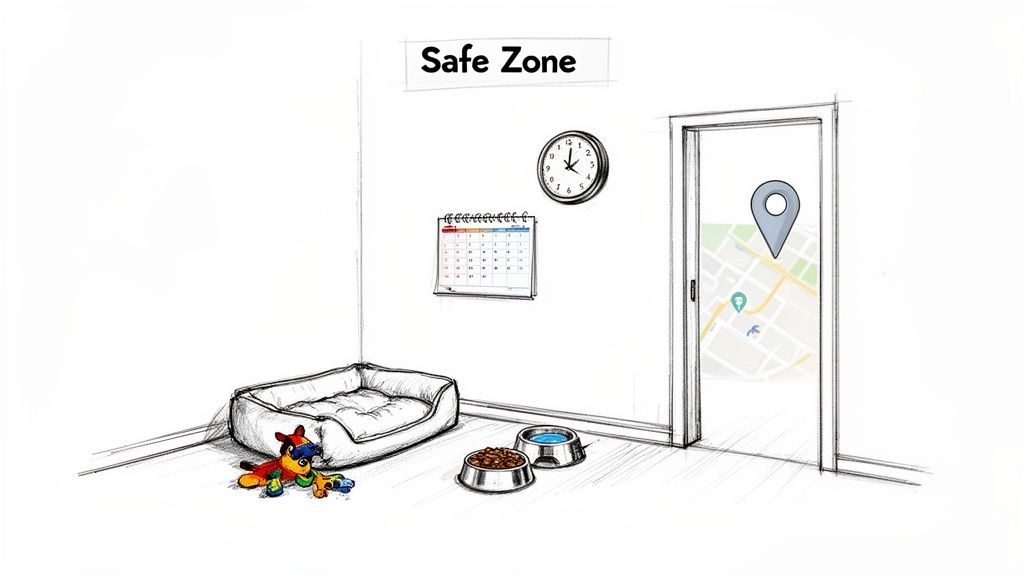
Before you even start unpacking your own things, set up a dedicated "safe zone" for your pet. Choose a quiet room, like a spare bedroom or a laundry room, that will be away from the chaos of moving boxes and furniture.
This space should be their personal sanctuary, filled with familiar items that carry their scent and the smell of your old home.
Their bed or crate: This is their den, a place they already associate with comfort.
Food and water bowls: Place them in an easily accessible spot.
Favorite toys: A few well-loved toys can provide a welcome distraction.
A litter box (for cats): Make sure it's clean and in a private corner.
Let your pet explore this room at their own pace. Don't force them out. Just leave the door open so they can venture into the rest of the house when they feel brave enough.
Re-Establish Routines as Soon as Possible
Pets thrive on a schedule. A cross-country move completely disrupts their world, so one of the best things you can do is get back to your old routine as quickly as possible. This consistency tells them that even though the place is new, the rhythm of their life is still the same.
Try to stick to your usual schedule for:
Feeding times
Walks and potty breaks
Playtime and cuddles
This structure provides an anchor for them in a sea of newness, greatly reducing their anxiety. Even if the rest of the house is a mess of boxes, that predictable morning walk can make a world of difference.
Your pet doesn't understand what a 'moving box' is; they just see their world turned upside down. Re-establishing familiar routines is the fastest way to communicate that everything is okay and that this new place is home now.
Update Their Information
Amidst the unpacking, don’t forget two key tasks. These are simple to do but vital for your pet’s safety in a new, unfamiliar area.
First, update your pet’s microchip information with your new address and phone number. This is your pet's most reliable ticket back home if they were to slip out while exploring their new neighborhood.
Second, start your search for a new local veterinarian right away. Don’t wait for an emergency. Find a well-reviewed clinic, get your pet registered, and have their records transferred from your old vet. This ensures you’re prepared for anything, from routine check-ups to unexpected health issues.
A Vet's Guide to Streamlining Pet Travel
For any vet clinic, handling the paperwork for a cross-country pet move can feel like a high-stakes puzzle. Your team is juggling state-specific rules, looming airline deadlines, and anxious clients who are counting on you to get every single detail perfect. When you’re doing it all by hand, it’s a recipe for stress and burnout.
Let’s be honest: manual health certificates are slow and can lead to mistakes. One missed signature or a wrong date can throw a client’s entire relocation into chaos, creating a nightmare for them and a major headache for your practice. This is where modern tools stop being a "nice-to-have" and become absolutely essential for a busy clinic.
The Growing Opportunity in Pet Travel
The demand for pet travel support is exploding. What used to be a niche request is now a massive, multi-billion-dollar global market, fueled by a mobile workforce and the simple fact that people treat their pets like family. In 2024, the global pet travel services market hit an estimated USD $2.4–$2.6 billion, and it's projected to more than double by 2034. You can dig into the numbers in this detailed pet travel market analysis.
This isn't just a trend; it's a huge opportunity for vet practices to offer a high-value service that clients are actively looking for.
From Manual Chaos to Automated Clarity
This is exactly why a dedicated platform can be a game-changer. Instead of your team wasting hours chasing down forms and trying to figure out confusing regulations, a cloud-based system like Passpaw brings order to the process. It automates the workflow, helps ensure every document is compliant, and makes communication between your staff and your clients seamless.
Here’s a quick look at the Passpaw platform, which was designed from the ground up to organize the entire pet travel documentation process for veterinary teams.
The dashboard gives you a clean, at-a-glance view of every travel case your clinic is handling, turning what was once a complex mess into a straightforward, manageable workflow.
Passpaw was built to un-complicate the paper trail. It allows your practice to save valuable time, reduce the risk of costly errors, and provide the top-tier, efficient pet travel service that modern pet owners are actively seeking. It's about turning a stressful administrative burden into a streamlined, profitable part of your practice.
Offering this service efficiently doesn't just help your clients—it positions your clinic as a forward-thinking leader in pet care. To better understand the financial and operational upsides, check out our guide on why pet travel is a smart business strategy for veterinary practices. By adopting the right tools, you can confidently help your clients and their pets get to their next big adventure, making the whole journey a pawsitive experience from the very beginning.
Your Top Questions Answered
Moving a pet across the country brings up a ton of questions. I get it—you want to do what's best for your furry family member, and the logistics can feel overwhelming. Let's tackle some of the most common questions we hear from pet owners planning a big move.
How Much Does It Cost to Transport a Pet Cross Country?
This is a big one, and the honest answer is: it really depends. The price range is huge, so it pays to weigh your options.
Driving yourself is almost always the cheapest route. Your main costs are gas, your time, and finding pet-friendly hotels, which usually add a fee of $25-$75 per night.
If you're looking at air travel, a plane ticket for a small pet who can fly in the cabin with you typically runs about $125. For larger pets that need to travel in cargo, that price jumps significantly, often to $500-$1,000+.
Professional ground transport services, where someone else does the driving, generally fall between $1,200 and $2,500. Keep in mind these are just ballpark figures—your pet's size, the distance, and even the season will affect the final cost.
Is It Better to Fly or Drive With a Pet Across the Country?
This decision comes down to knowing your specific pet.
Driving is often much less stressful because your best friend is right there with you. It's a fantastic option for anxious animals or brachycephalic (flat-faced) breeds like pugs and bulldogs, who often can't fly. It’s a bigger time commitment for you, but for many pets, it’s the kindest way to travel.
Flying, on the other hand, is fast. There's no denying the convenience. If your pet is small enough to fit under the seat in front of you, it can be a great, efficient choice. The cargo hold experience, however, can be pretty stressful for larger animals.
Your veterinarian is your best resource here. They know your pet's health, age, and temperament and can give you tailored advice to help you make a decision that's truly in their best interest.
Do I Really Need a Health Certificate to Drive Across State Lines?
While it might feel like an extra piece of paper, many states have rules about bringing animals across state lines, even if you're just driving in your personal car. Having a recent Certificate of Veterinary Inspection (CVI) is a good practice.
Will you get stopped and asked for it? Probably not. But having one is the responsible thing to do, and it gives you peace of mind. For air travel, it's not optional—the airline will always require it.
These certificates are typically valid for 30 days, so make sure to time your vet visit accordingly so it doesn't expire before you reach your destination.
Juggling pet travel documents on top of everything else is a headache. Passpaw was built to take the complexity out of the paperwork. We help veterinary practices and pet owners handle health certificates and other travel forms with total confidence. See how our platform can make your next move simpler at https://passpaw.com.
More articles
From regulatory changes to best practices for veterinarians and pet owners, our resources keep you ahead of the curve.