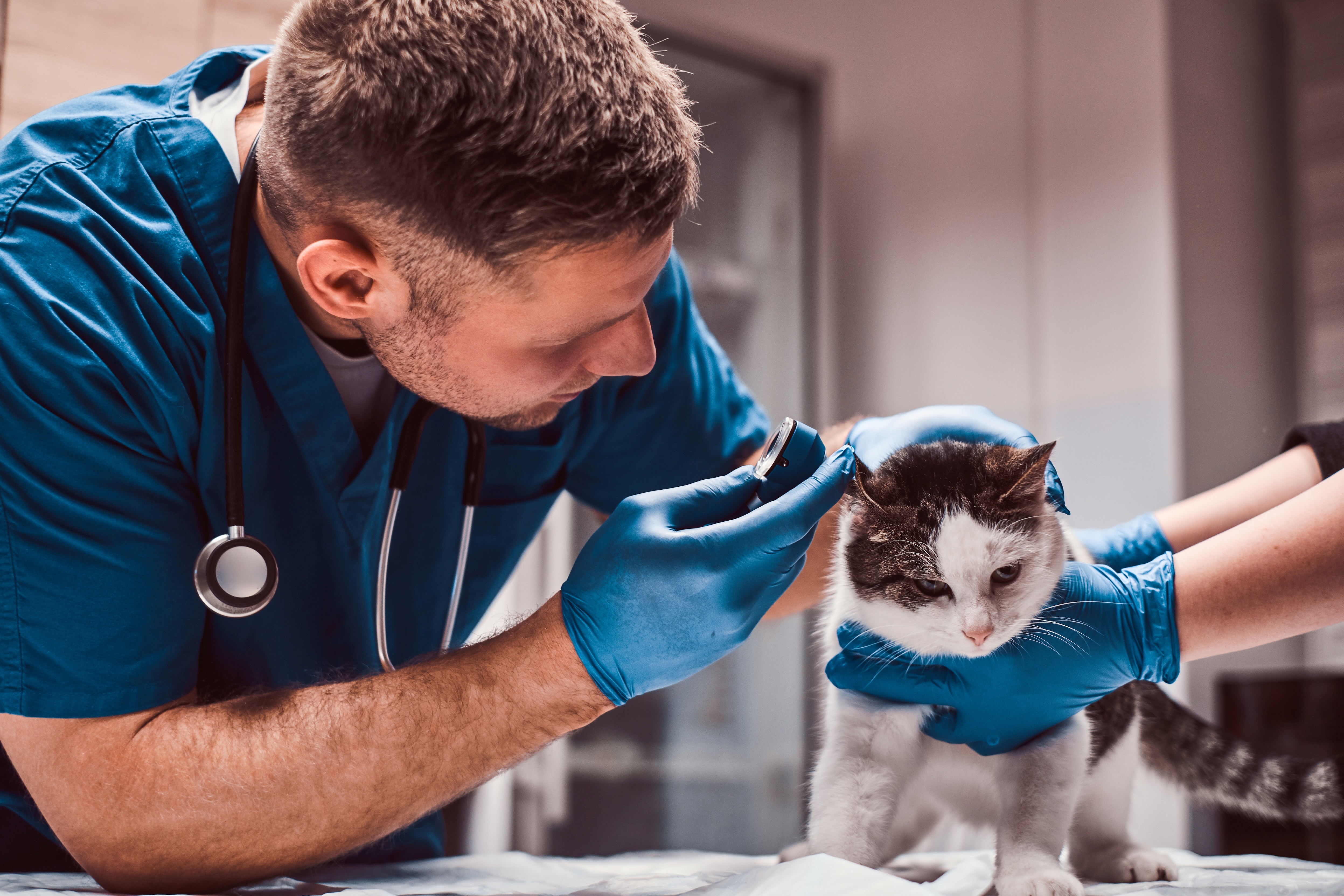
Are you a team member in a veterinary practice?
Are you a pet parent planning a trip with your furry pal?
Taking Dog to Mexico: Your Essential Pet-Friendly Guide
Taking your dog to Mexico is much easier than most people think. The main event is a simple physical check-up when you arrive, just to make sure your pet is healthy and free of pests. While Mexico itself doesn't require an official health certificate for dogs coming from the US or Canada, don't get too relaxed just yet. Airlines almost always have their own rules, so having recent vet records on hand is just smart planning for a smooth trip.
This guide will walk you through everything you need to know for an amazing, stress-free adventure south of the border with your best friend.
Your Pawsport to Paradise: Preparing for Your Trip
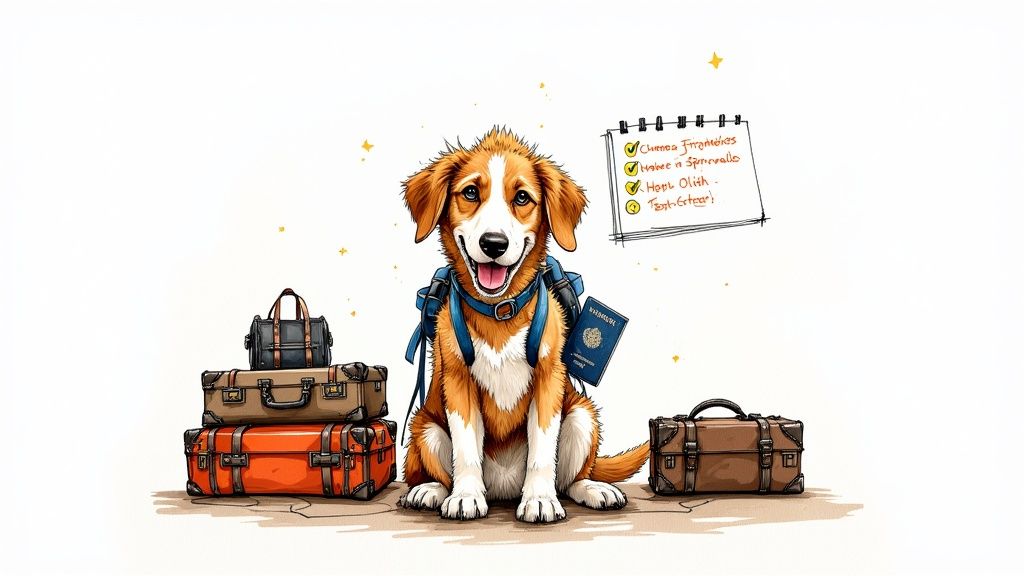
Embarking on an adventure to Mexico with your furry sidekick is an incredible experience, and a little bit of planning is all it takes to turn potential travel headaches into pure excitement. Getting your ducks—or, in this case, dogs—in a row means focusing on a few key areas before you even think about packing.
This initial stage is all about groundwork. We'll give you a high-level view of the entire process so you feel confident and prepared for what’s to come. Think of this as your master checklist, ensuring nothing gets overlooked.
The Big Picture of Pet Travel to Mexico
Your prep work can be broken down into a few essential components. Each one is a crucial piece of the puzzle for a successful trip.
Veterinary Health: This is your starting point. Making sure your dog is healthy, up-to-date on all vaccinations, and ready for travel is a must.
Required Paperwork: Even though Mexico's requirements have gotten simpler, you still need to understand what documents your airline might ask for, or what you might need for your return trip.
Travel Logistics: Deciding whether to fly or drive will shape your entire journey. Each method comes with its own set of rules and considerations for your pet's comfort and safety.
Local Environment Prep: Getting familiar with Mexico's climate, potential pests, and local customs regarding pets will help you keep your dog safe and happy once you arrive.
This overview sets the stage for a seamless experience. For a more detailed breakdown of specific requirements, our pet travel planner for trips from the United States to Mexico is an excellent resource to guide you.
To help you get organized, here’s a quick summary of the main steps you'll need to cover.
Pre-Travel Checklist At a Glance
This table breaks down the key stages of your preparation, giving you a clear timeline to work with.
Preparation Area | Key Action Items | Recommended Timeline |
|---|---|---|
Veterinary Prep | Schedule a vet check-up, ensure all vaccinations are current, and discuss flea/tick prevention. | 4-6 weeks before travel |
Airline/Transport | Research pet policies, book a pet-friendly flight or plan your driving route, purchase a compliant carrier. | 3-4 weeks before travel |
Documentation | Obtain a health certificate if your airline requires one, gather rabies vaccination certificate. | 1-2 weeks before travel |
Arrival & Acclimation | Pack essentials (food, water, meds), prepare for the border inspection, plan your first few days in Mexico. | Final week before travel |
Keep this checklist handy as you move through the planning process. It's a great way to make sure you're not missing any critical steps.
A Dog-Friendly Nation Awaits
One of the best parts about bringing your dog to Mexico is stepping into a country that genuinely loves its canine companions. The rate of pet ownership here is incredibly high—approximately 80% of the population owns a pet, and a huge number of those are dogs. In fact, recent estimates put the dog population at around 43.8 million.
You'll quickly see this pet-centric culture in action. The number of pet-friendly hotels, restaurants with patios, and local services is always growing, making it easier than ever to include your dog in your plans.
It's a welcoming environment where your dog isn't just tolerated; they're truly part of the adventure. This makes all the prep work totally worth it.
Navigating Vet Visits and Health Paperwork
Let's be honest: getting the health and paperwork side of your trip right is probably the most important part of taking your dog to Mexico. While Mexico has thankfully simplified its official rules for pets coming from the U.S. and Canada, a small mistake here can still cause major headaches at the border.
This is the step that trips people up the most, but a little bit of know-how turns it from a stressful chore into a smooth process. Think of it as preparing your dog's "pawsport"—getting everything in order so you can prove they're healthy and ready for an adventure.
Understanding SENASICA’s Role
When you arrive at the airport or land border, you'll meet officials from SENASICA (Mexico's agricultural health authority). Their job is pretty straightforward.
They'll perform a quick visual inspection of your dog to make sure they look healthy and don't have any obvious signs of contagious diseases or external parasites like fleas and ticks. A thumbs-up from them is your dog's official welcome into Mexico.
The All-Important Health Certificate
Here's a key point: even though Mexico might not officially require a health certificate for dogs from the US or Canada anymore, many airlines absolutely still demand one. Trust us, it's far better to have a certificate you don't end up needing than to be denied boarding at the check-in counter. This document is your official proof that a licensed vet recently gave your dog a clean bill of health.
To avoid any last-minute scramble, a proper health certificate usually includes:
Veterinarian’s Information: The accredited vet's name, signature, and license number.
Pet’s Details: Your dog's name, breed, color, and age.
Rabies Vaccination Proof: The date the vaccine was given and when it expires. It must be current.
Parasite Prevention: A note confirming your dog was treated for internal and external parasites before the trip.
Timing is everything here. A health certificate usually has a short validity period—often just 10 to 15 days from the issue date. You'll need to plan your vet appointment close enough to your travel date for the document to still be valid when you cross the border.
Common Paperwork Pitfalls to Avoid
It’s always the small details that cause the biggest problems. A simple typo or a missing signature on your paperwork can lead to frustrating delays. In a worst-case scenario, you might even have to find a local vet at the border, which is an expense and a hassle nobody wants.
Based on what we've seen, here are the most common mistakes to watch out for:
Missing Signatures: Your vet must sign the certificate. An unsigned document is worthless.
Incorrect Dates: Double-check every single date—the exam date, vaccination dates, and your travel dates. Make sure they are accurate and easy to read.
Vague Descriptions: "Brown dog" won't cut it. Be specific, like "Golden Retriever, golden coat."
Illegible Handwriting: If the certificate is handwritten, make sure a stranger can actually read it. If you can't, a border official probably can't either.
Before you walk out of that vet clinic, stop and review every single line of the health certificate. Ask yourself: "Is everything here clear, correct, and complete?" That five-minute check can save you hours of trouble down the line.
For a much deeper dive into this vital document, our guide on securing a veterinary international health certificate walks you through every single detail, leaving no room for error.
Beyond the Basics: Essential Vaccinations
While rabies is the main event, it's smart to think about other health protections. Mexico's environment is different, and your dog could be exposed to diseases they wouldn't encounter back home. This is a classic "better safe than sorry" situation.
Have a chat with your vet about these recommended vaccines and treatments:
DHPP: This core combo vaccine protects against Distemper, Hepatitis, Parvovirus, and Parainfluenza—all serious canine diseases.
Leptospirosis: A bacterial disease often found in contaminated water and soil, it's more common in warmer climates like Mexico.
Bordetella ("Kennel Cough"): If your dog will be socializing at dog parks or staying in a kennel, this is a very good idea.
And don't forget a robust flea and tick prevention plan. Ticks in different regions carry different diseases, so keeping your dog protected is one of the best things you can do for their well-being on the road. This final, proactive health check is the last piece of your preparation puzzle.
Choosing How to Travel: Driving Versus Flying
Your first big decision when planning your trip to Mexico with your pup is how you'll get there. Are you hitting the open road or taking to the skies? There’s no single right answer—it really comes down to your dog's size, personality, and your own travel preferences.
Both driving and flying have their own set of pros and cons. Let's walk through what each option looks like so you can make the best choice for you and your furry co-pilot.
The Flying Option: In-Cabin vs. Cargo
For many, flying is the quickest route to margaritas and sunshine. If you have a small dog, they might be able to fly right there with you in the cabin. Tucked under the seat in front of you, this is almost always the least stressful way to fly for both of you.
But don't just assume it's okay. Every airline plays by its own rulebook, and they are famously strict.
Here’s what you can generally expect:
Size and Weight Limits: Most airlines cap the combined weight of your dog and their carrier at around 20 pounds (9 kg).
Carrier Requirements: The carrier usually needs to be soft-sided, have plenty of ventilation, and be compact enough to slide under an airplane seat.
Age Restrictions: Airlines won't fly very young puppies, typically requiring them to be at least 8-10 weeks old.
If your dog is on the larger side, their only flight option will be in the cargo hold. While it's a temperature-controlled and pressurized environment, it can be an unsettling experience for a pet. It's very important to dig into the specific airline's pet cargo policies. For a deep dive into the whole process, our guide on flying with pets internationally has you covered.
Don't make the mistake of thinking you can just add a pet to your booking online. You almost always have to call the airline directly after you book your own ticket to reserve a spot for your dog. They only allow a handful of pets on each flight, so do this immediately!
The Road Trip Adventure
Driving to Mexico offers something flying can't: total freedom. You set the schedule. You control the pace. And most importantly, you decide when it's time for a potty break. This makes it a fantastic option for anxious dogs, bigger breeds, or if you're traveling with more than one pet.
A road trip lets you weave the journey into the vacation itself. You can map out stops at pet-friendly parks, find cool hotels that welcome dogs, and make sure your buddy gets plenty of chances to stretch their legs. It's a fantastic way to bond and see the country at your own speed.
The infographic below helps paint a picture of what travel looks like from your dog's perspective.
From the simple joy of an open car window to the cozy security of an under-seat carrier, each travel method is a completely different world for your dog.
Driving vs. Flying: A Head-to-Head Comparison
To help you weigh your options, we've put together a quick comparison. Think about what matters most for your specific situation and your dog's needs.
Driving vs Flying With Your Dog: A Comparison
Consideration | Driving to Mexico | Flying to Mexico |
|---|---|---|
Dog's Comfort | Less stressful; familiar environment (your car). | Can be stressful, especially in cargo. |
Schedule Control | Total flexibility for breaks and stops. | Rigid airline schedule. |
Cost | Gas, pet-friendly lodging, and time. | Airline pet fee, plus potential vet costs. |
Travel Time | Significantly longer, often multiple days. | Much faster, usually a single day of travel. |
Size/Breed Rules | No restrictions. | Strict size and weight limits for cabin travel. |
Paperwork | Simpler; usually just the health certificate at the border. | More complex; airline rules plus entry rules. |
Ultimately, the best choice is the one that minimizes stress and maximizes safety for your dog.
Key Considerations for Your Choice
So, how do you decide? It truly comes down to what works for your pack.
Driving is hands-down less stressful for most dogs. It gives you complete control and avoids all the restrictive airline rules about size and breed. The trade-off is time. A road trip is a major commitment and requires planning for overnight stays and long stretches in the car.
Flying, on the other hand, gets you there fast. For a small dog that can fly in-cabin, it can be a pretty straightforward experience. For larger dogs, the cargo option is a much bigger deal, with more variables and potential for stress. Plus, you'll be navigating extra fees and a maze of airline regulations.
The right path is the one that gets your dog to your Mexican destination feeling safe, comfortable, and ready for adventure.
What to Expect at the Border Crossing
You’ve done all the prep work, and now the moment of truth has arrived: the border. Whether you're driving up to a land crossing or navigating customs at an airport, this final step can feel a bit nerve-wracking. But with the right expectations, it’s usually just a quick and simple formality.
This is your introduction to Mexico’s agricultural health authority, SENASICA. Their job is simply to make sure that pets entering the country are healthy and don't pose a risk to local animals. Knowing what they’re looking for ahead of time makes the whole thing feel less like a stressful inspection and more like a friendly welcome.
The Role of SENASICA Officials
Think of the SENASICA official as the first person to greet your dog in Mexico. Their primary task is a brief physical inspection to confirm your dog is in good health and ready for their adventure. This isn't a full-blown veterinary exam, just a quick visual check.
The official will be looking for a few key things before giving you the all-clear:
General Health: Does your dog look alert, healthy, and happy?
No External Parasites: They'll do a quick scan for any obvious signs of fleas or ticks.
No Wounds: They’ll check for any open or infected sores that could indicate a health issue.
As long as your pup looks healthy and is free of parasites, this part is over in minutes. It's a professional, straightforward process designed for safety.
Having Your Documents Ready
While the physical check is the main event, being organized with your paperwork is your ticket to a fast crossing. There’s nothing worse than fumbling through your bags for a misplaced certificate while holding up the line.
Keep all your documents together in an easily accessible folder—not buried in the bottom of a suitcase. Whether you're at a bustling airport or a busy land border, you'll want to have these ready to go:
Rabies Vaccination Certificate: This is the key proof that your dog is protected.
Airline-Required Health Certificate: If you flew in, the airline almost certainly made you get a health certificate. Keep it handy, as the border agent might want a look, too.
Proof of Parasite Treatment: Your vet records showing recent flea, tick, and deworming treatments are great backup to have on hand.
Here's a pro tip: Keep both physical copies and digital backups on your phone. If a paper gets lost in the shuffle of travel, having a photo or PDF can be a real lifesaver. This simple habit prepares you for just about anything.
The Inspection Process Step-by-Step
So, what does this actually look like in practice? Picture this: you've just pulled up to the border or collected your luggage at the airport. You'll be directed to the SENASICA or OISA (Animal and Plant Health Inspection Office) desk.
First, you'll hand over your paperwork to the official. As they review it, they'll ask you to get your dog out of their carrier. The official will perform a quick visual inspection, gently looking over your dog's coat and general condition. They'll also spray the carrier with a disinfectant, which is a standard safety measure.
The whole interaction is typically very calm and efficient. These officials see traveling pets all day long and are generally quite friendly. Once they're satisfied that your dog is healthy, you'll get the green light, and you're officially in Mexico!
A Note on Bringing Pet Food
One of the most common hiccups for travelers is Mexico's policy on pet food. This is a rule you really don't want to get wrong, as they are not flexible on it at all.
You are only allowed to bring a small, open bag of food—just enough for one day's travel. A big, sealed bag of your dog's favorite kibble will most likely be taken at the border. The goal is to prevent the introduction of animal products that don't meet Mexico's import standards.
Don't panic about feeding your dog. Finding high-quality food in Mexico is easy. Major chains and local pet stores are everywhere, so just plan on buying a new bag once you're settled. This small adjustment will ensure your border crossing is nothing but smooth sailing.
Keeping Your Dog Healthy and Safe in Mexico
You made it across the border—congratulations! Now the real adventure begins. With the paperwork behind you, the focus shifts to making sure your dog has a safe, healthy, and fun time during your stay. Mexico's environment, from its climate to the local wildlife, introduces a few new things to keep in mind.
A little awareness goes a long way in preventing common issues. Being proactive is the key to a trip filled with tail wags, not unexpected vet visits.
Navigating Local Health Risks
Mexico’s beautiful, warm climate is one of its biggest draws, but it also means that pests like fleas and ticks are a year-round reality. Even if your dog is on a preventative, it's a good habit to do daily checks, especially after a hike or a romp in a grassy area.
Water is another big one. Just like us, dogs should stick to bottled or purified water to avoid an upset stomach or something more serious. Make it a rule: no drinking from puddles, streams, or taps. It's one of the simplest ways to keep their digestive system on track.
Beyond the usual suspects, there are other local health risks to be aware of. For instance, recent concerns about screwworm in certain regions mean pet travelers need to stay informed. To get the latest, check out our guide on what you need to know about screwworm and pet travel).
Acclimating to the Environment
The Mexican sun can be intense. Heatstroke is a real danger for dogs, especially for breeds with thick coats or short snouts (brachycephalic breeds). Always make sure your dog has access to shade and plenty of cool, fresh water. Plan your walks for early morning or late evening to protect their paws from hot pavement.
Keep an eye out for signs of heatstroke:
Excessive panting or drooling
Bright red gums
Vomiting or diarrhea
Lethargy or stumbling
If you think your dog is overheating, get them to a cool, shaded spot immediately. You can apply cool (not ice-cold) water to their body and offer small sips of water. Then, call a local vet right away for guidance.
You'll also likely encounter stray dogs, or "callejeros," on your travels. While many are friendly, it's always best to keep a respectful distance to avoid any potential conflicts or the transfer of parasites.
Mexico has a large population of free-roaming dogs, partly due to low sterilization rates and a lack of affordable veterinary care in some areas. This can pose health risks, which is why it's so important to have your own dog fully vaccinated and protected before you even leave home. You can learn more about public health and dog populations in Mexico on pmc.ncbi.nlm.nih.gov.
Finding a Vet in an Emergency
Even with the best prep, emergencies can happen. Knowing where to find a reliable veterinarian before you need one will save you a world of stress. Do a bit of research on vet clinics ("veterinarias") near your destination before you even pack your bags.
Clinics in larger towns or cities are more likely to have modern equipment and staff who speak some English. Save their numbers and addresses in your phone. Local expat groups on Facebook or other social media platforms can be a goldmine for real-world recommendations.
Building a Pet-Friendly Routine
Finally, the best way to enjoy your trip is to settle into a routine that works for both you and your dog. Dogs are creatures of habit, so keeping feeding and walking times consistent can help them feel secure in a new place.
Always follow local customs by keeping your dog on a leash in public and, of course, cleaning up after them. It’s a simple sign of respect for the community and helps ensure that the places you visit remain pet-friendly for everyone. Being a prepared and responsible owner is what turns a good trip into an unforgettable one.
Finding Pet Supplies and Services in Mexico
Once you've made it across the border and started to settle in, the next task is getting your dog set up with all the essentials. The great news? Mexico has a huge and growing pet care market, so you’ll find that keeping your dog happy and healthy is easier than you might think.
For familiar comforts, large chain stores like Petco are pretty common in bigger cities. They’re a lifesaver when you need a specific brand of food your dog is used to, or just want to browse a wide selection of toys and accessories. It's often the easiest first stop and gives you a bit of peace of mind knowing you can find almost anything you’d get back home.
Local Shops and Professional Care
But don't just stick to the big box stores. You’ll also find local shops called 'forrajeras' all over the place. Think of them as feed and supply stores. They are a fantastic resource, stocking a great variety of pet foods—often at much better prices than the chains. Shopping at a forrajera is a great way to support a local business while grabbing your dog's necessities.
The pet food scene here is massive, with the dog food market alone valued at around $2.29 billion. This boom is driven by high pet ownership, which means you’ll never be short on options for your furry friend. You can read more about Mexico's growing pet food industry on petfoodindustry.com.
Now, for professional services, knowing a few key Spanish phrases is a game-changer. It'll make searching online or on a map so much faster.
Veterinaria: This is the word for a veterinary clinic.
Estética canina: Literally "canine aesthetics," this is what you'll search for to find a groomer.
Tienda de mascotas: A general term for any pet store.
Knowing these key phrases can turn a stressful search into a simple task. It's empowering to be able to find a vet or a groomer on your own, no matter where you are in the country.
Final Questions Before You Cross the Border
We get it. Even after all the research and careful planning, a few "what ifs" can still be bouncing around in your head. It's completely normal. Let's tackle those lingering questions head-on so you can feel totally confident as you and your dog head off on your Mexican adventure.
Your Top Questions Answered
Here are the direct answers to the most common questions we hear from travelers just like you.
Does my dog need a microchip to enter Mexico? Right now, Mexico doesn't officially require pets coming from the US or Canada to be microchipped. That said, we highly recommend it. Think of it as a permanent ID for your dog. If the unthinkable happens and you get separated, a microchip is the most reliable way to be reunited. It's a simple, one-time procedure that offers incredible peace of mind.
What happens if my health certificate has a mistake on it? This is where things can get tricky. If a SENASICA official spots an error on your paperwork, they might require you to hire a local Mexican veterinarian on the spot. That vet would then need to examine your dog and issue a brand-new health certificate, all at your expense. It’s a surefire way to start your trip with unexpected delays and costs, which is why triple-checking every detail before you leave is so important.
Think of your paperwork as your dog’s ticket to Mexico. A small error can cause a big headache at the border. A final, thorough review with your vet before you travel is one of the smartest things you can do.
Can I bring my dog's prescription medication with me? Yes, you absolutely can. The best practice is to keep all medications in their original, clearly labeled containers. It's also a great idea to carry a note from your veterinarian explaining what each medication is for. Make sure you pack enough to last your entire stay, plus a little extra, because finding the exact same prescription in Mexico might be difficult or impossible.
Planning international pet travel can feel like a full-time job, but you don't have to manage it all alone. Passpaw is a platform built to help veterinary teams navigate all the complex documentation, ensuring every 'i' is dotted and every 't' is crossed for a smooth, stress-free journey. Learn how Passpaw can simplify your pet’s international travel.
More articles
From regulatory changes to best practices for veterinarians and pet owners, our resources keep you ahead of the curve.