Are you a team member in a veterinary practice?
Are you a pet parent planning a trip with your furry pal?
Pet Travel Health Certificate: A Guide for Smooth Travels
If you're planning to take your pet on a trip, especially across state or country lines, you'll quickly run into a key piece of paperwork: the pet travel health certificate. Think of it as your pet’s passport—it’s the official document that shows they are healthy and ready for adventure.
Your Pet's Golden Ticket to Travel

Taking an adventure with your pet is incredibly rewarding, but it all starts with getting the right documents in order. The pet travel health certificate, sometimes called a Certificate of Veterinary Inspection (CVI), is without a doubt the most important one. It’s not just a nice-to-have; it's a firm requirement for most airlines and international destinations.
This certificate serves a very important purpose: it helps prevent the spread of diseases across borders. By having an accredited vet confirm your pet is healthy and up-to-date on all needed vaccinations, it helps protect the local animal populations where you're headed. That's why governments and airlines take these documents so seriously.
Why Is This Certificate So Important?
Honestly, without a valid and properly completed health certificate, your travel plans can grind to a halt. An airline can refuse to let your pet board, and border officials can deny entry. In the worst-case scenario, your pet could face a long and stressful quarantine at your expense.
This single document is your official proof that you’ve done everything right as a responsible pet owner.
A correctly completed pet travel health certificate is the single most important document for a smooth journey. It acts as a universal confirmation of your pet's health, satisfying the rules of airlines, states, and countries simultaneously.
And this isn't just for a handful of globetrotting pets. The demand for these services is huge and growing. The global pet travel services market, which is built around managing this kind of essential paperwork, is estimated to be worth between $1.5 billion and $2.5 billion. This boom reflects a simple trend: more and more of us see our pets as family and want them right there with us on our journeys. You can dig into the numbers in this pet travel market research report.
The Key Players in the Process
Getting a health certificate isn't just a quick trip to the vet. It’s a team effort involving a few key people, and knowing who does what makes the process much less overwhelming. It’s a team effort between you, your vet, and sometimes, a government agency.
Here’s a look at the team you'll be working with to get your pet’s travel documents ready to go.
Key Players in the Pet Travel Health Certificate Process
This table breaks down the roles and responsibilities of each person or group involved in getting your pet's travel documents ready.
Player | Role and Responsibility | Key Action |
|---|---|---|
Pet Owner (You!) | You are the project manager of your pet's travel plans. Your job is to research requirements and coordinate appointments. | Researching destination rules and booking the vet visit. |
Accredited Veterinarian | This is a licensed vet who has completed special training and is authorized to issue official travel documents. | Performing the health exam and completing the certificate. |
Government Agency (e.g., USDA APHIS) | This official body endorses or certifies the document, making it valid for international travel. | Stamping and sealing the final paperwork. |
Each player has a distinct job, and when everyone does their part correctly and on time, the process flows smoothly, getting you and your pet on your way without any hitches.
Understanding Different Types of Health Certificates
Trying to figure out pet travel paperwork can feel like learning a whole new language. Just when you think you’ve got it, you find out not all health certificates are the same. The right one for your furry co-pilot depends entirely on where you're headed. Getting this part wrong is a common mistake that can ground your trip before it even begins.
Think of it like packing for a vacation. You wouldn't bring a parka to the beach, and you wouldn’t use a domestic travel form for an international flight. Each destination has its own rules to protect its local animals, and your pet’s health certificate is the key to proving you’ve followed them to the letter.
Domestic vs. International Travel
The biggest fork in the road is whether you're staying within your own country or flying abroad. This one factor changes everything—the type of certificate you need, how complex the process is, and who needs to sign off on it.
Domestic Travel: For flights between states (within the U.S., for instance), you’ll generally need a standard Certificate of Veterinary Inspection (CVI). This document is pretty simple and just confirms your pet is healthy and up-to-date on their rabies vaccination.
International Travel: This is where things get more involved. Every country has its own import rules, covering everything from specific vaccinations and microchip standards to parasite treatments. The paperwork is much more detailed and usually needs an extra stamp of approval from an official government body.
Nailing down the correct document from the start is the most important step in your pet's travel plan.
The Most Common Certificates You Will Encounter
While the fine print can change from country to country, most travelers will run into one of a handful of standard certificates. There are at least six main types of pet health certificates, from the USDA APHIS Form 7001 to the EU Pet Passport. They almost always require a recent vet exam, current vaccinations (especially rabies), parasite treatments, and a microchip. You can get a full overview of the essential pet health certificate for travel to dig into the details.
To help you get started, here’s a look at the most common forms you might need.
Comparing Common Pet Travel Health Certificates
This table gives you a side-by-side comparison of different health certificates, their primary use cases, and key requirements to help you identify the right one for your trip.
Certificate Type | Primary Use | Common Requirements | Issuing Authority |
|---|---|---|---|
USDA APHIS Form 7001 | Exporting pets from the United States | Vet exam, rabies vaccine, microchip, country-specific addendums | USDA-Accredited Veterinarian |
EU Pet Passport | Travel between EU member states | Rabies vaccine, microchip, tapeworm treatment (for some countries) | EU-Authorized Veterinarian |
EU Animal Health Cert. | One-time entry into the EU from a non-EU country | Same as EU Pet Passport, but for single entry | USDA-Accredited Vet + USDA Endorsement |
Certificate of Vet Inspection | Domestic travel within a single country (e.g., U.S. states) | Basic health check, rabies vaccination status | Licensed Veterinarian |
Getting familiar with these documents makes the process much less intimidating. It's all about matching the right paperwork to your specific itinerary.
Don't get lost in the details! The golden rule is simple: always check the specific requirements for your final destination. A quick search on that country’s official government agriculture or customs website is the best place to start.
It may seem like a lot to keep track of, but figuring out the correct document from the beginning saves you from scrambling at the last minute. A little prep work goes a long way toward making your journey a walk in the park for both you and your pet.
How to Get Your Pet's Travel Certificate Step by Step
Alright, so you know what a pet travel health certificate is and have a good idea of which one you need. Now for the fun part: actually getting it. The process can feel like a maze, but if you break it down into a few key steps, it's completely doable.
Think of it like getting a passport for your pet. There's a certain order to things, and each step builds on the last. Let's walk through it together so you don't miss a beat.
Step 1: Research Your Destination's Rules
Before you even think about calling your vet, you have to become a mini-expert on your destination's import rules. This is, without a doubt, the most important step. Get this wrong, and everything else can fall apart. Remember, you should check the airline's rules and the country's rules—they can be different.
Start with the official government website for your destination country. For those traveling from the U.S., the U.S. Department of Agriculture (USDA) maintains a helpful database of pet travel requirements for countries all over the world. It’s a great place to start.
Here’s what you’re looking for:
Vaccinations: Is the rabies vaccine enough, or are others needed?
Microchip: Does it need to be a specific type?
Parasite Treatments: Are there required flea, tick, or tapeworm treatments?
Timeline: How close to your travel date does the vet exam and paperwork need to be done?
Nailing down this info first will save you from a world of stress and expensive last-minute changes.
Step 2: Book an Appointment with an Accredited Vet
Here’s a key detail: not just any vet can sign these forms. For most international travel and even some domestic flights, you need to see a USDA-accredited veterinarian. These are vets who have gone through extra training and have federal authorization to issue official travel documents.
When you call a clinic to book, make sure to ask, "Do you have a USDA-accredited veterinarian on staff who can issue an international health certificate?" Bring all your research and your flight itinerary to the appointment. The more information your vet has, the better they can fill out the forms.
Step 3: The Health Exam and Paperwork Completion
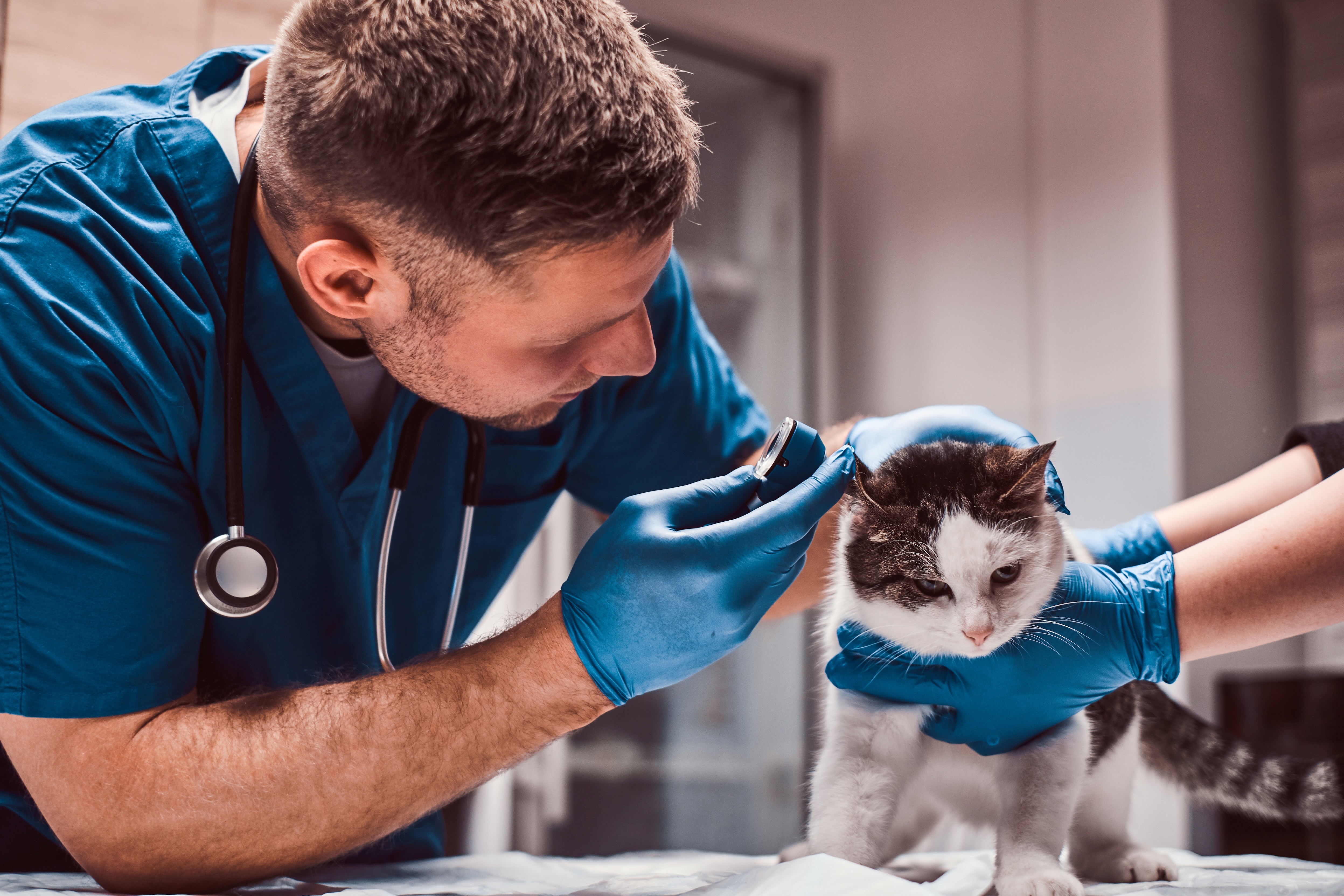
This is the big appointment. Your vet will give your pet a health exam to confirm they're fit to fly and show no signs of contagious diseases. They'll also double-check that the microchip, vaccines, and any needed treatments line up perfectly with your destination's rules.
During this visit, the official pet travel health certificate gets filled out. Before you walk out that door, review every single detail with your vet. Are all names spelled correctly? Are the dates right? Is the microchip number perfect? A single typo can cause a huge headache at customs.
This infographic gives you a sense of how the requirements can stack up depending on where you're headed.
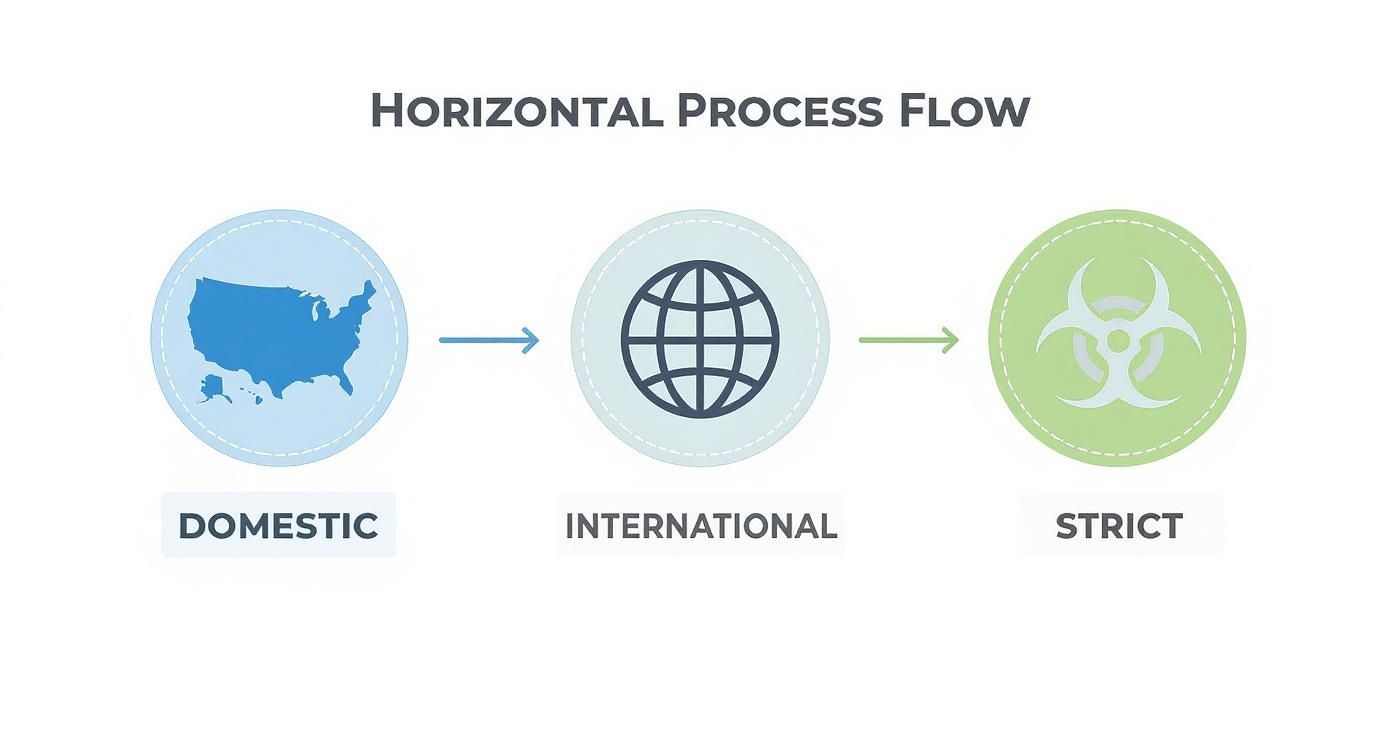
As you can see, a simple domestic trip is one thing. But as you go international, especially to rabies-free countries like Japan or the UK, the layers of requirements get much more complex.
Step 4: Get the Final Government Endorsement
You’re almost there! For international travel, there's usually one last hoop to jump through after your vet signs the certificate. The document may need to be endorsed—basically, stamped and sealed—by the USDA's Animal and Plant Health Inspection Service (APHIS). This is the government's final seal of approval that makes the certificate official.
Depending on your situation, you may have to mail the paperwork to a USDA office or visit in person. Always check the processing times and plan ahead so you get it back well before you fly.
Pro Tip: Timing is everything. Many countries and airlines ask for the health certificate to be issued within 10 days of travel. This is a common deadline. Schedule your vet visit with this window in mind to avoid that panicked, last-minute rush.
Once that final, endorsed document is in your hands, make a few copies. Keep the original with your passport and other critical travel papers, and tuck a copy in your checked bag just in case. Now, you and your furry co-pilot are officially ready for takeoff.
Navigating Strict Country Requirements and Quarantine

While most trip planning involves flights and pet-friendly hotels, some destinations demand a whole other level of prep. For a handful of countries, getting a pet travel health certificate is more than a quick vet visit—it’s the kickoff to a long and detailed process designed to meet some of the world's toughest animal import laws.
These aren't just administrative hurdles. Places like Australia, New Zealand, Japan, and even the state of Hawaii have unique, fragile ecosystems. Their strict rules are there for an important reason: to shield local wildlife and agriculture from foreign pests and diseases.
Many of these destinations are proudly rabies-free, a status they fight hard to protect. A single imported case could be a big problem, which is why every pet’s entry is checked so closely.
Why Some Countries Are So Strict
The driving force behind these tough rules is biosecurity. Think of these countries as protected bubbles. Having successfully kept out diseases like rabies that are common elsewhere, their import rules are their first line of defense to keep things that way.
This means your pet’s journey will involve a lot more than just the standard shots. You can expect a checklist that includes:
Specific Microchip Types: Most require a certain 15-digit microchip, and it usually must be implanted before the rabies vaccine is given.
Rabies Titer Tests: This is a blood test, often done months in advance, to prove the rabies vaccine produced a strong enough immune response.
Multiple Parasite Treatments: A specific schedule of internal and external parasite treatments, all given and documented by a vet, is often required.
Import Permits: You’ll likely need to apply for and receive an official import permit long before your travel date.
Getting any of these steps wrong—or doing them in the wrong order—can cause major headaches. This is where a flawless pet travel health certificate becomes your golden ticket.
Quarantine: The Big Hurdle
For these high-biosecurity destinations, quarantine is often a reality, even if your pet's paperwork is perfect. Your goal in preparing so carefully is to either avoid it where possible or, more commonly, shorten the stay. A tiny mistake on a health certificate can easily turn a planned 10-day stay into a multi-month ordeal.
The stakes are very high. The need for perfect documentation is directly linked to these strict quarantine rules. Countries like Australia, New Zealand, and Singapore have some of the world's most rigid pet import laws, with quarantine periods ranging from 10 days to over 4 months. This depends on where the pet is coming from and, most importantly, the accuracy of its health records.
The single biggest key to a smooth entry into a strict country is a perfectly prepared pet travel health certificate. It acts as your proof that you have followed every single rule, no matter how small, to the letter.
Juggling these complex timelines and requirements can feel like a full-time job. You're not just getting a form signed; you're managing a project that can span several months. To get a better sense of what's involved, check out our guide on international pet travel requirements.
Ultimately, preparing for travel to one of these countries is a test of patience and precision. It might seem like a 'ruff' process, but careful planning gives your pet the best shot at a smooth, stress-free arrival. Your hard work is what stands between a happy reunion and a long, expensive stay in quarantine.
Common Mistakes to Avoid and How to Fix Them
Getting a pet travel health certificate can feel like a high-stakes game where the rules are constantly changing. Even the most organized pet owner can run into a few common traps. Let's walk through the most frequent slip-ups to make sure your journey is smooth sailing.
One of the biggest hurdles is the timeline. Many airlines and countries ask for the health certificate to be issued within 10 days of travel. This window is notoriously tricky and a frequent source of panic.
Another classic mistake? Not confirming your vet's credentials. It's a sad but true story: a pet owner gets all the paperwork done, only to realize at the last minute that their beloved family vet isn't federally accredited to sign international travel forms.
Miscalculating the 10-Day Validity Window
The "10-day rule" sounds simple, but its meaning can vary. Does it mean business days or calendar days? Does "travel" refer to your departure flight or your arrival? Getting this wrong could invalidate your entire certificate.
The Mistake: A family plans a trip to France. They get their certificate on June 1st, thinking they are well within the 10-day window for their flight on June 11th. But the airline counts the day of the flight, making their certificate one day too old.
How to Fix It: Always clarify with both your airline and your destination country how they define the 10-day period. To be safe, schedule your vet appointment as close to your departure date as you can, ideally 7 to 8 days before you fly. This builds in a buffer for any unexpected delays.
The most reliable approach is to count backward from your arrival date at your final destination. This single calculation helps satisfy the requirements of nearly every airline and country, preventing any last-minute surprises at the check-in counter.
Using a Non-Accredited Veterinarian
This is a heartbreakingly common error. Your local vet may be wonderful with your pet, but if they don’t have the specific USDA accreditation, their signature on an international health certificate is not valid. This can stop your travel plans dead in their tracks.
The Mistake: You visit your regular vet, who kindly fills out the forms, unaware they lack the specific federal credentials needed for international travel documents. You only discover the error when you try to get the government endorsement.
How to Fix It: When you book the appointment, ask the clinic directly: "Do you have a USDA-accredited veterinarian on staff who can complete an international pet travel health certificate?" Confirming this simple fact upfront saves immense stress.
Incomplete or Inaccurate Vaccination Records
A missing date, an incorrect vaccine name, or even just a sloppy entry can cause huge problems. Customs officials are trained to spot inconsistencies, and a flawed vaccination record is a major red flag. This is especially true for the rabies vaccine, which is the cornerstone of pet travel safety.
The Mistake: Your pet’s vaccination booklet is missing the date the rabies shot was given, or the microchip was implanted after the vaccine was given—a sequence that many countries don't allow.
How to Fix It: Before your appointment, get all vaccination records organized. Ensure every entry is readable, dated, and signed. For a deeper dive on what officials look for, review our guide on what constitutes valid proof of rabies vaccine for travel. Double-check every single detail on the final certificate with your vet before you leave their office.
How Modern Services Can Streamline Pet Travel
Let's be honest: juggling timelines, vet appointments, and country-specific forms for a pet travel health certificate can be a massive headache. The good news? You don’t have to do it alone. Modern pet travel services were created to take the stress and guesswork out of the entire ordeal, making it far easier to get your furry friend ready for takeoff.
These platforms essentially become a central command for your pet’s travel plans. Instead of you trying to piece everything together from scattered websites and checklists, they walk you through the process, making sure no small detail gets missed. For many pet owners, this shift from a frantic manual process to an organized, guided one is a total game-changer.
The Power of a Digital Co-Pilot
Think of these services as your digital co-pilot for pet travel. They keep you on track by automating reminders, organizing all your documents, and connecting you with the right people at exactly the right time. For instance, some services can help you find a USDA-accredited vet in your area, which immediately solves one of the most common roadblocks.
Here’s where they really shine:
Timeline Management: They automatically calculate your key deadlines, like that tight 10-day health certificate window, based on your travel dates. No more manual calendar math.
Correct Forms: These services make sure you have the most up-to-date forms for your specific destination, preventing the nightmare of showing up with outdated paperwork.
Digital Document Access: Your pet's records, including their pet travel health certificate, are kept safe and sound online, ready for you to access anytime, anywhere.
A Simpler, Less Stressful Journey
At the end of the day, the goal of these services is to minimize the chance of human error. One simple mistake—a missed signature or a wrong date—can derail your entire trip. By bringing order to the chaos, these tools help ensure every "i" is dotted and every "t" is crossed. This frees you up to focus less on the paperwork and more on the exciting adventure ahead.
Using a dedicated service transforms the experience from a stressful puzzle into a clear, step-by-step checklist. It significantly increases the odds of a seamless, error-free process, giving you confidence that everything is handled correctly.
This organized approach is a lifesaver for complex international moves. For example, using a pet travel planner can help you manage long-lead-time requirements like rabies titer tests and import permits without breaking a sweat.
By bringing technology into the fold, these services make getting a pet travel health certificate a much more manageable task. It's the 'purr-fect' way to ensure a smooth and happy journey for both you and your best friend.
Frequently Asked Questions
Planning a trip with your pet can feel like untangling a ball of yarn—especially when it comes to the paperwork. Getting the pet travel health certificate right is absolutely crucial for a smooth trip, so let's tackle some of the most common questions pet owners have.
We’ll clear up the confusion so you can focus on the adventure ahead.
How Long Is a Pet Travel Health Certificate Valid?
This is one of the biggest—and most confusing—parts of the process. There's no single answer, because the validity period really depends on who you ask.
Most airlines and countries ask for the certificate to be issued no more than 10 days before your flight. But, and this is a big but, your destination might have its own rules. The best practice is always to check both your airline's requirements and your destination country's regulations, then follow whichever one is stricter. This one small check can save you a world of headache at the airport.
Can Any Veterinarian Issue a Pet Health Certificate?
Here's a key detail that trips up a lot of people. While your family vet is your go-to for check-ups and routine care, they might not be authorized to sign official travel documents.
For most trips, and especially for international travel, the certificate often has to be signed by a federally accredited veterinarian. In the United States, that means they’re accredited by the USDA’s Animal and Plant Health Inspection Service (APHIS). Before you even book the appointment, confirm your vet has this specific credential. It’ll save you from a last-minute scramble.
An error on your pet's health certificate can lead to serious issues, including being denied boarding by the airline or having your pet quarantined upon arrival. It's vital to double-check every single detail on the certificate with your veterinarian before you leave their office.
Do I Need a Health Certificate for Car Travel?
It all comes down to where your road trip is taking you. The rules for crossing state lines are completely different from crossing international borders.
For a domestic road trip within the U.S., you typically don't need a formal health certificate. That said, some states might ask for proof of a current rabies vaccination if you happen to be stopped. If you’re driving internationally—say, to Canada or Mexico—a valid health certificate is almost always a good idea. No matter where you're headed, it's just plain smart to keep your pet's vaccination records in the glove box.
Feeling overwhelmed by the paperwork puzzle? You don’t have to go it alone. Passpaw gives you a clear, step-by-step process to make sure your pet’s travel documents are perfect every single time. Say goodbye to stress and hello to adventure—get started at https://passpaw.com.
More articles
From regulatory changes to best practices for veterinarians and pet owners, our resources keep you ahead of the curve.