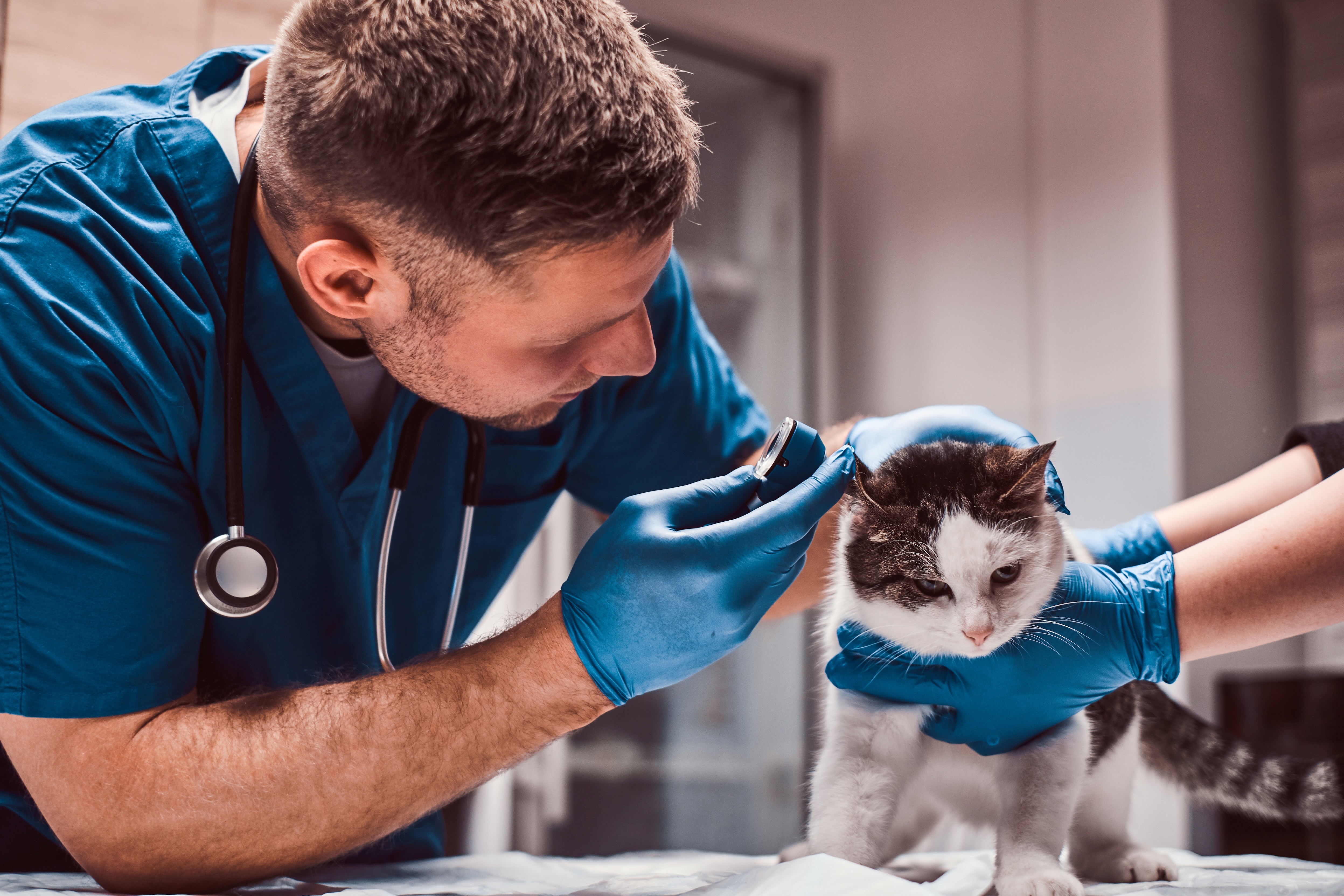
Are you a team member in a veterinary practice?
Are you a pet parent planning a trip with your furry pal?
Your Ultimate Guide to Pet Certification for Travel
Taking your pet on a trip should be fun, not a fur-strating mess of paperwork. A pet certification for travel is just an official document that says your pet is healthy and meets the entry rules for your destination. Think of it as your furry friend's very own passport.
This guide will walk you through the whole process, so you can feel confident you've got everything covered.
Your Pet's First-Class Ticket to Adventure
Planning a trip with a pet in tow is more common than you might think. What used to be rare is now a normal part of family vacations. In fact, the percentage of families traveling with pets has shot up from 19% to 37% in the last decade alone.
With nearly two million animals flying on commercial airlines in the U.S. every year, it’s clear our four-legged friends are officially part of the travel crew. You can dig into more of these trends over at hotelagio.com.
This boom in pet-friendly travel makes understanding the paperwork more important than ever. The process might look like a confusing maze at first, but it's really a team effort between you, your vet, and a few government agencies. Getting it right is the key to a journey that's as smooth as a cat's landing.
The Key Players in Your Pet's Travel Plans
Think of getting a pet health certificate as a group project. Everyone has a specific job to do to make sure all the i's are dotted and t's are crossed before you take off. When you know who does what, the whole thing feels a lot less intimidating.
Here's a quick look at who's on your pet travel team and what they're responsible for.
The Pet Travel Certification Team
A simple breakdown of who handles each part of your pet's travel documents.
Team Member | Their Main Role | What They Handle For You |
|---|---|---|
You, the Pet Owner | Team Captain | Researching destination rules, gathering documents, and booking appointments. |
Your Veterinarian | Medical Expert | Performing the health exam, giving shots, and completing the official forms. |
Government Agencies | Final Checkpoint | Reviewing and endorsing the paperwork, giving it the official government seal of approval. |
Knowing who handles each piece of the puzzle helps you coordinate well and avoid any last-minute surprises.
Key Takeaway: The pet certification process is a partnership. Your role is to manage the timeline and requirements, while your vet provides the medical validation and government agencies offer the final official endorsement.
This guide will break down each step, helping you work with your team like a pro. To keep all your dates, documents, and tasks in one place, our comprehensive pet travel planner is a fantastic tool. It's designed to make sure you don't miss a single detail on your way to getting that all-important travel certificate.
Decoding Your Destination's Pet Travel Rules
Before you even think about booking a vet appointment, your first and most important job is to figure out the exact rules for where you're going. This isn't just a suggestion—it's the foundation of a successful trip with your pet.
Every country has its own playbook for letting pets in, and sometimes, even different regions within a country have unique requirements. Think of it this way: you wouldn't fly internationally without checking your own visa needs. Your pet's entry rules are just as important, and missing one detail can bring your travel plans to a screeching halt. The process for a quick trip to Canada is worlds away from the months-long preparation needed for a rabies-free country like Japan.
Start with the Official Source
For anyone traveling from the United States, your go-to resource is the USDA APHIS website. This is the official database managed by the U.S. government, and it's the single source of truth for the most current and accurate information.
Don't fall into the trap of relying on unofficial blogs or old forum posts. Pet import rules can change with little warning, and using an official government source means you're working with the right information from day one. Getting this right from the start will save you a world of headaches later.
Pro Tip: Bookmark your destination's page on the USDA APHIS site. Check it again as your travel date gets closer to see if anything has been updated. A little preparation is your best defense against last-minute surprises.
For a deeper dive into how these rules can differ so much from one place to another, you can learn more about the complexities of international pet travel requirements in our detailed guide. It's a great resource for understanding the bigger picture.
Key Details You Absolutely Cannot Miss
As you start digging into the requirements, you'll see just how specific they are. This isn't the time for guesswork. You have to pay close attention to the fine print, because the details are where many pet owners get tripped up.
Here are a few of the most important things to look for:
Microchip Standards: Most international destinations now require a microchip. But more importantly, they often specify an ISO-compliant 15-digit microchip. If your pet has an older, non-ISO chip, you might need to get a new one implanted or carry your own scanner.
Vaccination Timing: The timing of vaccinations is always looked at closely. For example, many countries require the rabies vaccination to be given after the microchip is implanted. If the shot happened before the chip, it might not be considered valid for travel, forcing you to vaccinate again and restart the clock.
Specific Treatments: Beyond rabies, your destination might require specific treatments for parasites like ticks, fleas, or tapeworms. These often need to be given by a veterinarian within a very tight window, like 1 to 5 days before arrival.
Let's take a real-world example: traveling to the European Union. Your pet needs an ISO-compliant microchip, a rabies vaccine given at least 21 days before travel, and an EU Health Certificate issued by a USDA-Accredited Veterinarian no more than 10 days before you arrive. Missing any one of those deadlines could put your entire trip at risk.
Understanding these rules is the most critical part of getting the pet certification for travel right. By carefully researching your destination's specific demands, you create a clear roadmap for you and your veterinarian to follow, ensuring a smooth journey for your furry co-pilot.
Working with Your Vet to Get the Health Certificate
Once you’ve figured out your destination's rules, your veterinarian becomes your co-pilot. But here's a critical detail: you can't just go to any vet. For international travel, the paperwork should be signed by a USDA-Accredited Veterinarian, a distinction that can literally make or break your trip.
An accredited vet isn't just a great doctor; they've completed special training from the U.S. government on the rules for animal travel. They are authorized to complete and sign the international health certificate. This is why you shouldn't assume your local clinic is automatically equipped to handle it.
Finding the Right Kind of Vet
First things first: call your current vet and ask if they are USDA-accredited. It’s a simple question that solves the biggest potential roadblock. If they aren't, don't worry. Many larger practices have at least one accredited vet on staff, or they can point you to a colleague who specializes in travel paperwork.
My advice? Find and connect with an accredited vet the moment you start planning your travel. These vets are often busy, and building that relationship early gives them time to understand your specific needs. It’s a small step that prevents the last-minute scramble for a signature on time-sensitive forms. As more people travel with their pets, veterinary practices are realizing the value in this service. You can learn more about why practices should offer health certificates to keep up with this growing demand.
The Health Certificate Appointment: What to Expect
This isn't your average annual check-up. The health certificate appointment is a detailed examination to confirm your pet is healthy, free of contagious diseases, and fit to handle the journey. Your vet will perform a complete physical, double-check all vaccination records, and carefully verify that every single requirement for your destination has been met.
This infographic breaks down the typical workflow for the health certificate appointment, from your prep work to the vet's final signature.
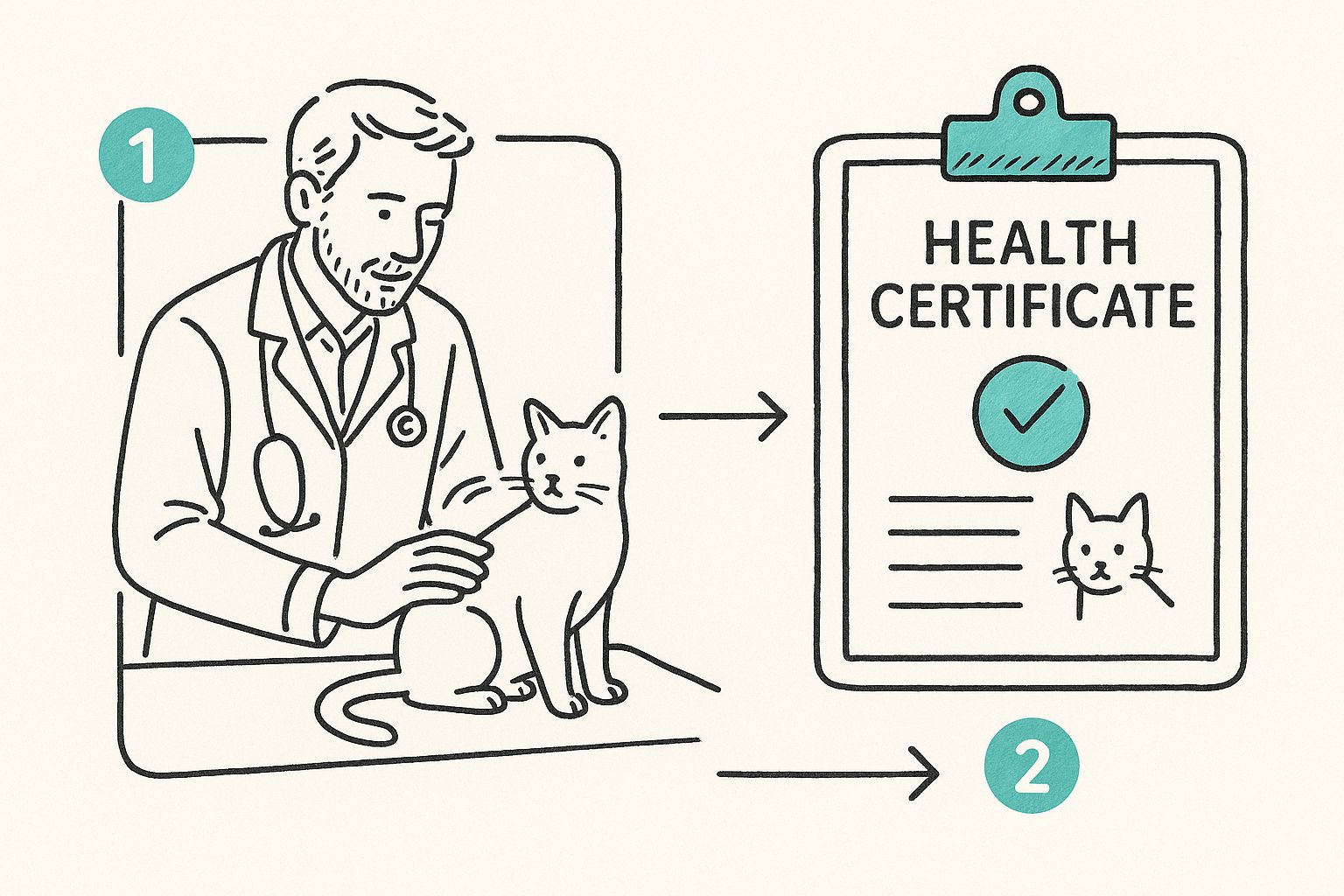
As you can see, it’s a true partnership. Your vet handles the medical verification, but you're responsible for bringing them the right information.
To make the appointment go smoothly, you need to show up prepared. Think of yourself as the project manager for your pet's big move.
Bring a folder with these key items:
Destination Requirements: Print out the official rules from the USDA APHIS website. Don't make your vet hunt for them.
Your Travel Itinerary: Your vet needs to know your exact travel dates. Health certificates often expire quickly—sometimes they're only valid for 10 days.
Complete Pet Records: This means proof of rabies vaccination, the microchip implantation date and number, and records for any other required treatments like flea, tick, or tapeworm medication.
Your vet's job is to verify your pet's health and fill out the forms correctly. Your job is to give them all the information they need to do that for your specific trip.
Perfect Timing for the Vet Visit
Getting the timing of this appointment right is everything. If you go too early, the certificate might be invalid before you even land. Too late, and you won’t have enough time for the final government endorsement step. It's a delicate balance.
Most countries, particularly in the European Union, suggest the health certificate be issued by the accredited vet within 10 days of your pet's arrival. That’s a tight window with little room for error.
The best way to nail this is to work backward from your arrival date. Pick your target date for the vet visit based on that 10-day window. Getting this right is probably one of the most stressful parts of the whole process, but it’s the last major hurdle before you’re ready for the final stamp of approval.
Securing the Final USDA Endorsement
Once your accredited veterinarian signs off on the health certificate, you're in the home stretch. But for international travel, there's one last official hurdle: the USDA APHIS endorsement. This is the government's seal of approval, confirming your paperwork is complete, accurate, and ready for your destination.
This step is a must-do. Without the USDA's raised, embossed seal on the documents, border officials in your destination country may not accept them. Think of it like getting your passport officially stamped—it’s what makes the document legitimate.
Choosing Your Endorsement Path
You've got two main ways to get this done: submitting your paperwork by mail or scheduling an in-person appointment at a USDA APHIS Veterinary Services office. The best choice really depends on your timeline, where you are, and your comfort level.
Let's break down the options to help you decide.
Mail-In Service: This is usually the most convenient route. You package up all the original documents, include a pre-paid return shipping label, and send it off. It saves you a trip, but you have to account for shipping time in both directions. If you've got a few days to spare before your flight, this works great.
In-Person Appointment: This is the go-to for anyone on a tight deadline. You book a slot, bring your documents, and typically walk out with the endorsed certificate that same day. Yes, it means a trip to an official endorsement office, but the peace of mind is often worth its weight in gold.
Key Insight: Don't treat the endorsement as an afterthought. Whether you mail your documents or go in person, this process takes time. Build it into your travel timeline right from the start to avoid that last-minute, heart-pounding panic.
Navigating Fees and Payment
The USDA charges a fee for endorsing pet health certificates. These rates can change, so it's always a smart move to check the current fee on the APHIS website before you send anything.
They're also very particular about how you pay. They typically accept checks, money orders, or a credit card payment using a specific form. Cash is usually not an option, so showing up unprepared can cause delays. Double-check what your chosen office accepts to keep things moving smoothly.
If you need a more detailed breakdown, our guide on how to get a USDA-endorsed pet health certificate walks you through every part of the process.
Why This Final Step Is So Important
The complexity of international pet travel is a big reason why so many people stick to domestic trips. In fact, domestic pet travel holds a massive 72.7% market share, largely because owners can skip these multi-layered government hoops. It’s also why the professional pet transport industry is projected to make up 46.8% of the market—a testament to how many people seek expert help to get it right.
This final USDA check is all about protecting animal health on a global scale. By verifying that your pet meets all the destination's rules—from microchips to vaccines—the USDA helps stop the spread of diseases across borders. It might feel like one more piece of red tape, but it’s a globally recognized system that keeps animals everywhere safe. Getting that final stamp means your furry co-pilot is officially cleared for takeoff.
Common Mistakes and Travel Day Best Practices

You’ve done the hard part—navigated the paperwork, secured the endorsements, and your pet’s travel documents are finally in order. Now comes the final leg of the journey: travel day itself. This is where all that careful preparation really pays off, helping you sidestep the common slip-ups that can turn an exciting trip into a stressful day.
One of the biggest mix-ups is people confusing country import rules with airline policies. They are two completely separate sets of requirements, and you have to meet both. Your destination country is focused on public health and preventing disease spread. The airline, on the other hand, is concerned with the safety and comfort of everyone on board—including your pet. Always double-check your airline’s specific rules for carrier dimensions, check-in times, and any breed restrictions they might have.
Avoiding Last-Minute Scrambles
Even with a perfect pet certification for travel, small oversights can create massive headaches. A frequent pitfall is simply miscalculating the timeline. Waiting until the last minute for the USDA endorsement or booking the vet appointment outside the strict 10-day window can invalidate your hard work.
Another classic mistake is not confirming your vet is USDA-accredited before you show up for the health certificate exam. If a non-accredited vet signs that form, it won't be valid for international travel, and you'll find yourself in a serious bind. These details feel small, but they are mighty.
Travel Day Takeaway: Keep both physical and digital copies of every single document. I recommend a dedicated folder in your carry-on, plus a backup saved to your phone or cloud storage. If a crucial paper gets misplaced, that backup can be a lifesaver.
Some destinations are incredibly strict. To prevent the spread of diseases like rabies, certain countries may have a pet quarantine upon arrival. The length and requirements vary wildly, so having your paperwork in perfect order is a must if you want to avoid unexpected delays or complications. To learn more about navigating these complex rules, you can find more insights about international pet quarantine requirements on worldcarepet.com.
Your Pet's Travel-Ready Kit
A well-packed bag for your pet can make all the difference in their comfort—and your sanity. Think of it as their personal carry-on. You don't need to go overboard, but having the essentials on hand makes the trip smoother for everyone.
Here’s a simple checklist to get you started:
Essential Documents: Your original, endorsed health certificate, rabies certificate, and any other required permits. Don't pack these in your checked luggage!
Familiar Comforts: A small blanket or a favorite toy that smells like home. This simple trick can work wonders to reduce anxiety in a new, strange environment.
Food and Water: Pack a small amount of their regular food and a collapsible water bowl. It's best to avoid a large meal right before flying, but access to water is important.
Cleanup Supplies: A few waste bags and paper towels are a must for any little accidents. It's always better to be prepared.
Packing these items means you’re ready for whatever the travel day throws at you. With your documents organized and your pet’s comfort prioritized, you're all set for a fantastic adventure together.
Answering Your Pet Travel Certification Questions
Even with the best-laid plans, you’re bound to have questions. The world of international pet travel has a lot of moving parts, and it’s completely normal to need some clarification along the way. We’ve pulled together some of the most common questions we hear to help clear up any confusion.
Think of this as your go-to guide for those last-minute details. Getting these answers right can save you from a major headache—or a cat-astrophe—when it matters most.
How Long Is a Pet Health Certificate Valid For?
This is probably one of the most critical questions, and the answer can be a bit tricky because your vet doesn't get to decide. The validity period of a pet health certificate is set by your destination country.
For many destinations, especially countries in the European Union, the certificate should be issued by an accredited vet within 10 days of your pet's arrival. It's a very strict window. But other places might have different rules, which is why you have to check the official requirements for your specific trip.
For domestic travel within the U.S., the health certificate (often called a Certificate of Veterinary Inspection or CVI) is usually good for 30 days. Even then, you should always double-check with your airline, as they can set their own policies that might be stricter than state rules.
Key Takeaway: The "10-day rule" is a common benchmark for international travel, but never assume it applies to your trip. Always verify the exact validity period on the official USDA APHIS website for your destination.
This tight timeline is often the most stressful part of the entire process. Planning your vet visit and endorsement submission with this window in mind is absolutely essential for a smooth trip.
What Is a USDA Accredited Veterinarian?
A USDA-Accredited Veterinarian isn't just any vet. They are licensed professionals who have gone through special training directly with the U.S. Department of Agriculture. This extra credential authorizes them to handle the specific inspections and paperwork required for animal travel.
Your regular vet, while fantastic at caring for your pet, might not be accredited. For international travel—and even some trips between states—the paperwork should be signed by an accredited vet to be recognized. Their signature is the official confirmation that all federal and international rules for your specific journey have been followed.
If your family vet isn't accredited, you’ll need to find one who is. The USDA APHIS website has a handy search tool to help you locate an accredited vet in your area. This is one step you absolutely can't skip.
Do I Need a Health Certificate for a Road Trip?
Great question, and the answer might surprise you. While it's unlikely you'll be stopped at a state border for a pet paperwork check, many states have rules about a Certificate of Veterinary Inspection (CVI) for animals crossing into their territory, even if it's by car.
These rules exist to help prevent the spread of animal diseases between states. While enforcement on the road can vary, having the certificate means you're following the guidance.
But beyond that, having a CVI for a road trip is just plain smart. Here’s why:
Emergency Vet Visits: If your pet gets sick on the road, having a recent health record makes an emergency vet visit so much easier.
Boarding Facilities: Planning to use a kennel or doggy daycare during your trip? Most reputable places will ask for proof of health and current vaccinations.
Peace of Mind: It’s a simple document that shows your pet is healthy and up-to-date on everything. That's always good to have on hand when you're far from home.
It’s a small, proactive step that can make a huge difference if something unexpected comes up.
What Happens If My Paperwork Is Wrong When I Arrive?
This is the nightmare scenario every pet owner dreads, and for good reason. Arriving at your destination with incorrect or incomplete paperwork can have serious consequences that are incredibly stressful for both you and your pet.
What happens next depends entirely on the country you're entering and the specific mistake. A minor typo might just result in a fine or a long delay while you sort things out with officials.
However, more significant problems can lead to much tougher outcomes. These can include:
Mandatory Quarantine: Your pet could be sent to a government quarantine facility for days or even weeks—all at your expense. This is not only costly but also emotionally difficult.
Re-vaccination or Testing: Officials might require that your pet get new tests or another vaccination right then and there before they're allowed in.
Denial of Entry: In the worst-case scenario, border authorities can refuse to let your pet enter the country at all. This would mean your pet is sent on the next flight back to where you came from, a traumatic and expensive experience.
This is exactly why we stress checking and double-checking every single detail. The pet certification for travel process is so demanding because the stakes are incredibly high. Getting it right ensures your reunion at your destination is a happy one.
Navigating pet travel paperwork can feel like a full-time job, but you don't have to do it alone. Passpaw offers a simple, cloud-based platform that helps veterinary practices and pet owners manage the entire process with confidence. From tracking deadlines to ensuring every form is perfect, we help make your pet's next adventure a success. Learn more about how to simplify your pet travel compliance at https://passpaw.com.

More articles
From regulatory changes to best practices for veterinarians and pet owners, our resources keep you ahead of the curve.