Are you a team member in a veterinary practice?
Are you a pet parent planning a trip with your furry pal?
Does Frontier Airlines Allow Pets? A Complete Guide
So, you're looking at flights and wondering if your furry co-pilot can tag along? Let's get straight to the good news. Yes, Frontier Airlines allows small pets to fly with you in the cabin on many of their flights.
This guide is your express ticket to understanding their rules, helping you quickly figure out if Frontier is the right fit for your travel plans.
Your Quick Guide to Flying with Pets on Frontier
Planning a trip with a pet can sometimes feel like herding cats, but knowing the airline’s rules ahead of time makes all the difference. Frontier is a popular pet-friendly choice in the budget airline world, which is great news for travelers who can't bear to leave their companions behind.
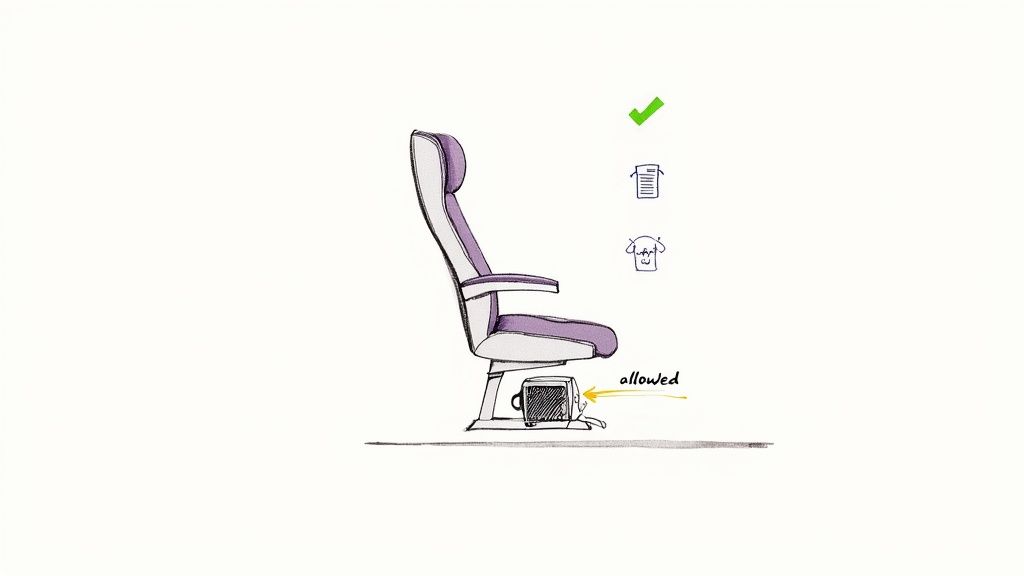
Frontier keeps it simple: their policy is all about small pets that can travel comfortably in a carrier tucked under the seat in front of you. This means that while larger animals won't be able to fly, many common household pets are welcome aboard.
To help you see the big picture right away, here's a quick rundown of what you need to know.
Frontier Airlines Pet Policy at a Glance
Policy Aspect | Details |
|---|---|
In-Cabin Pets | Small, tame pets are allowed in the cabin. |
Allowed Animals | Dogs, cats, rabbits, guinea pigs, hamsters, and small household birds. |
Pet Fee | $99 per pet, each way. |
Carrier Requirement | Pets must stay in an approved, ventilated carrier that fits under the seat. |
Age Requirement | Pets should be at least 8 weeks old. |
Travel Restrictions | Not allowed on international flights (except to/from the Dominican Republic and Mexico). |
This table should give you a solid starting point for planning your trip with Frontier.
Digging into the Details
Now, let's break down what those rules really mean for you and your pet. Frontier’s approach is straightforward, focusing on in-cabin travel for a specific list of animals. Here are the most important things to keep in mind:
Who Can Fly: The airline welcomes tame dogs, cats, rabbits, guinea pigs, hamsters, and small household birds.
The Cost: Be ready for a flat fee of $99, charged per pet for each one-way flight.
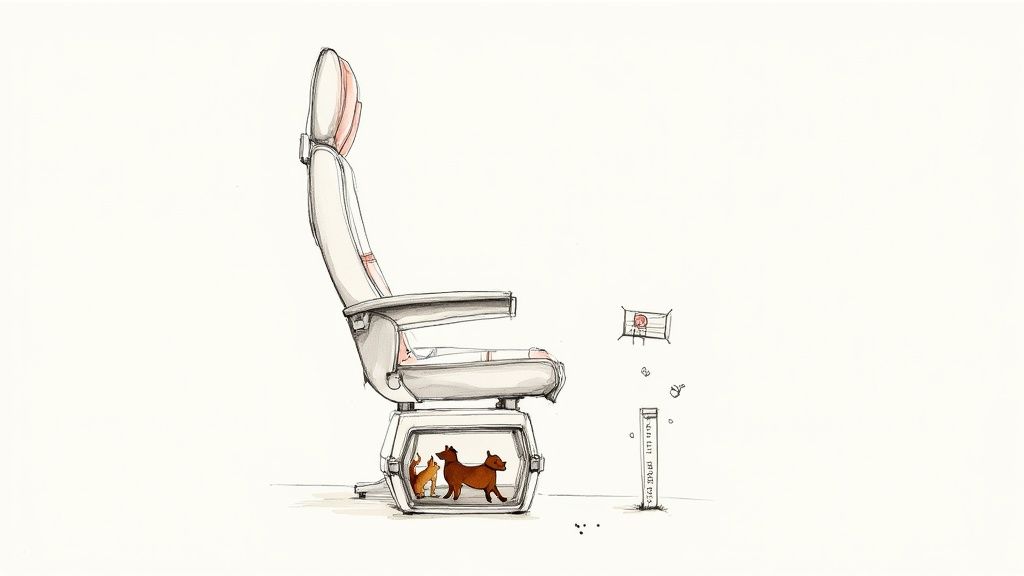
Carrier Rules: This is a big one. Your pet must remain in an approved carrier that fits under the seat for the entire flight.
This approach lines up with what a lot of travelers are looking for these days. With millions of pets taking to the skies in the U.S. each year, Frontier's policy meets a real demand. Their rules on carrier size and the types of animals allowed are designed for the small pets most owners travel with. Understanding these kinds of specific airline regulations is a key part of the job for anyone in the travel agency sector.
Flying with a pet for the first time requires careful planning. Always double-check the airline's most current pet policy on their official website before you book. Rules can and do change.
It's also important to think about the journey from your pet's perspective. For more general advice on making the trip as smooth as possible, check out our guide on essential pet travel tips. It covers everything from getting your pet used to their carrier to managing travel day jitters, ensuring a better experience for everyone involved.
Thinking about flying somewhere in the U.S. and want to bring your pet along? You're likely wondering if Frontier Airlines is an option. The answer is a big yes, but like any airline, they have their own set of rules to make sure every flight is safe and comfortable for passengers and pets alike.
Frontier’s policy is built around one simple idea: your pet needs to be small enough to fit in a carrier that slides right under the seat in front of you. This means they don't fly pets in the cargo hold. Think of it as your pet getting their own private, cozy little suite for the trip.
This in-cabin-only approach is great for owners of smaller animals and keeps the process simple. Let's get into the specifics to see if your companion can join the flight crew.
Who Gets a Boarding Pass?
Good news for owners of more than just cats and dogs—Frontier has a pretty welcoming list of accepted pets. Their policy is more generous than some other budget airlines. If you're weighing your options, it's smart to compare. For a good side-by-side, check out our guide on Spirit Airlines' pet rules to see how they differ.
For domestic flights on Frontier, these pets are welcome aboard:
Tame dogs
Tame cats
Rabbits
Guinea pigs
Hamsters
Small household birds
It's important to remember that this list is specific. Animals like large birds (think parrots), ferrets, reptiles, spiders, and certain rodents won't be able to fly. The main idea is that your pet should be harmless, quiet, and not have an odor to ensure everyone has a pleasant trip.
The Most Important Rules to Follow
Besides the type of animal, Frontier has a few ground rules that are key to a smooth flight. These are all about keeping your pet, you, and your fellow passengers safe and comfortable. Nail these, and your travel day should be smooth sailing.
First up, there's an age limit. Your pet should be at least eight weeks old to fly. This is to make sure they're old enough to handle the air travel experience.
Next, it's one pet per person. Each passenger with a ticket can bring one pet carrier. Frontier does mention that two very small pets of the same kind—like two kittens or two tiny puppies—might be allowed in one carrier, but only if they have plenty of room to stand up and turn around. For most people, it's simply one pet, one person.
The golden rule of flying with a pet on Frontier is simple: your pet must stay inside their carrier, with the carrier tucked under the seat in front of you, for the entire flight.
This is the big one, and the flight crew will make sure it's followed. Your pet can't be on your lap or wander around the cabin. One of the best things you can do is get your pet used to their carrier well before your travel day. It makes a world of difference in keeping them calm and setting them up for a successful journey.
Choosing the Right Carrier for Your Frontier Flight
Once you've confirmed your pet can fly in the cabin, your next big task is finding the right travel carrier. This isn't just about getting your pet from point A to B; it's their personal safe space for the entire journey. Nailing this choice is one of the biggest factors in a smooth, stress-free trip for both of you.
Frontier Airlines is very specific about carrier dimensions, and for good reason. The carrier has to fit entirely under the seat in front of you—a space that's smaller than most people think. This is a firm rule for the safety of your pet and everyone else on board.
Understanding Frontier's Carrier Size Requirements
The airline is clear about the maximum size for an in-cabin pet carrier. This is probably the single most important detail to get right, so it’s worth measuring twice.
The maximum size for a pet carrier on Frontier Airlines is 18 inches long x 14 inches wide x 8 inches high (18" L x 14" W x 8" H). These measurements include any handles or wheels.
A carrier that’s even a little too big won't be allowed on the plane. Gate agents are trained to check, and if it doesn't fit into their sizer at the airport, you could be denied boarding. That’s a situation no one wants on travel day.
Soft-Sided vs. Hard-Sided Carriers
When you start shopping, you’ll see two main types of carriers: hard-sided and soft-sided. While both have their pros, one is a much better fit for the tight quarters of an airplane cabin.
Hard-Sided Carriers: These are sturdy and offer great protection. The downside? They have no "give." If they're even a fraction of an inch too large, they simply won't fit.
Soft-Sided Carriers: This is what most seasoned air travelers use. Their flexible structure allows them to be gently pushed down to slide under the seat, giving you a bit of wiggle room on that height measurement.
For Frontier flights, a soft-sided carrier is almost always your best bet. It gives you the flexibility needed to fit into the under-seat space while still providing a comfortable den for your pet.
Key Features to Look For in a Carrier
Beyond just size and type, a good airline-approved carrier has several features that make travel safer and more comfortable. Don't just grab the first one off the shelf; look for these details to make sure you’re getting a quality product.
Here are the must-haves:
Good Ventilation: Look for mesh windows on at least two or three sides. Proper airflow is key for keeping your pet from getting too hot or feeling anxious.
Secure Zippers: Flimsy zippers are an escape waiting to happen. Choose carriers with locking zippers or strong closures that your pet can’t easily nudge open.
Leak-Proof Bottom: Accidents can happen, especially during a new experience. A waterproof or leak-proof bottom will contain any messes and make cleanup a lot easier.
Comfortable Padding: A soft, removable pad on the bottom gives your pet a cozy spot to lie down. Removable pads are also a breeze to wash after your trip.
Making sure your pet actually likes their carrier is half the battle. For a deeper dive into finding the perfect one and getting your companion comfortable, check out our complete guide on selecting the best airline travel pet carrier.
Helping Your Pet Love Their Carrier
The last, and arguably most important, step is to get your pet used to the carrier long before you head to the airport. The goal is to make them see it as a safe den, not a scary box that only comes out for stressful trips.
Start by leaving the carrier out in your home with the door open. Toss their favorite blanket, a toy, and some treats inside. Let them explore it on their own terms, without any pressure.
Over time, you can encourage them to go inside by tossing treats in. Once they're comfortable, try closing the door for just a few seconds, then rewarding them with praise. Slowly extend the time and even practice carrying them around the house. This positive practice makes a huge difference and can turn a potentially stressful event into a total non-issue.
Taking Your Pet International with Frontier
Thinking about an international getaway with your pet? It’s a fantastic idea, but the rules change once you cross the border. While Frontier is pretty friendly for small pets on domestic flights, going abroad is a different ballgame. It's totally doable, but it needs some extra planning.
Let's break down what's different when your travel plans go international. Frontier's policies for these flights are much more specific, and for good reason—they have to follow the animal import laws of other countries.
Where You Can Go and Who Can Fly
Right now, Frontier's international pet travel is focused on two popular spots. You and your furry companion can book a trip to or from Mexico or the Dominican Republic. This is great for a sunny vacation, but it means you can't bring a pet on a Frontier flight to other international places just yet.
The list of approved pets also shrinks for these routes. For international flights, Frontier only allows:
Tame dogs
Tame cats
This is a key detail. If you have a rabbit, hamster, guinea pig, or small bird, you'll need to stick to flights within the United States. Knowing this upfront will save you from any headaches or surprises at the airport.
The Paperwork Trail: Needed Documents
This is where international travel really differs from domestic trips. Every country has its own set of rules to protect its local animal population, and you’ll need the right paperwork to show your pet is healthy and safe to enter. This isn't a suggestion—it's a must.
For both Mexico and the Dominican Republic, you'll need a valid health certificate, which is sometimes called a Certificate of Veterinary Inspection. This is an official paper from a vet confirming your pet is healthy and ready to fly.
Think of a health certificate as your pet's passport. It's the official document that tells authorities in another country that your pet is healthy, vaccinated, and meets their entry rules.
The timing on these documents is very important. For instance, Mexico usually needs a health certificate issued within 10 days of your flight. The Dominican Republic often gives you a slightly larger window of about 15 days. These timeframes can shift, so you should always check the latest rules. Getting the timing wrong could mean your pet is turned away at the border. You'll also need proof of a current rabies vaccination, so double-check that your pet's records are up to date. Juggling these details can feel like a lot, which is why getting familiar with all the specific international pet travel requirements ahead of time is a game-changer.
Service Animals vs. Emotional Support Animals
The rules for assistance animals also get stricter on international flights. Frontier allows trained service dogs, including psychiatric service dogs, to fly internationally at no extra charge, as long as they meet all CDC and destination country rules.
However, it’s important to know that Emotional Support Animals (ESAs) are not allowed on Frontier's international flights. This policy is in line with a major shift across the airline industry. If you normally travel with an ESA, they'll need to fly under the standard pet policy—meaning they must be a cat or dog, stay in an approved carrier, and you'll have to pay the pet fee.
Frontier's international policy reflects a growing trend, with research showing an increase in cross-border pet travel in recent years. As more people travel with their pets, staying on top of the rules for places like Mexico and the Dominican Republic is the key to a smooth journey. Before you book anything, always check the latest rules with the embassy of your destination country.
Your Step-by-Step Guide to Booking and Travel Day
You’ve confirmed your pet can fly, you’ve picked out the perfect carrier, and you're ready for the next move. Now it’s time to get down to business: booking their ticket and planning for the big day. This part can feel a little intimidating, but with a clear plan, you'll be ready to take off without a hitch.
Think of this as your pre-flight checklist. We'll walk through exactly how to add your pet to your reservation, what to pack for them, and what to expect when you get to the airport. Following these steps will help make travel day paws-itively smooth for both you and your furry co-pilot.
Booking Your Pet's Spot on the Plane
First things first, you need to let Frontier know your pet is coming along for the ride. You can't just show up at the airport with a carrier in hand. It’s essential to reserve your pet's spot in advance because airlines, including Frontier, limit how many pets are allowed in the cabin on any given flight.
There are two main ways to add your pet to a Frontier reservation:
During Online Booking: When you're buying your ticket on Frontier's website, look for the option to add a "carry-on pet." This is usually the easiest route since it handles everything at once.
Over the Phone: If you’ve already booked your own flight or just prefer talking to a person, you can call Frontier’s customer service. Just have your flight confirmation number ready and tell the agent you need to add a pet to your booking.
Don't wait until the last minute! Pet spots fill up fast, especially during holidays or busy travel seasons. We always suggest adding your pet to your reservation the same day you book your own ticket to avoid any disappointment.
This one simple step is crucial. Securing their spot early means you won't be scrambling later or, even worse, facing the sad possibility of having to leave them behind. It's the first and most important part of a successful trip.
The infographic below gives a great visual of the key stages for international pet travel, from figuring out which pets are eligible to gathering the right documents for places like Mexico and the Dominican Republic.
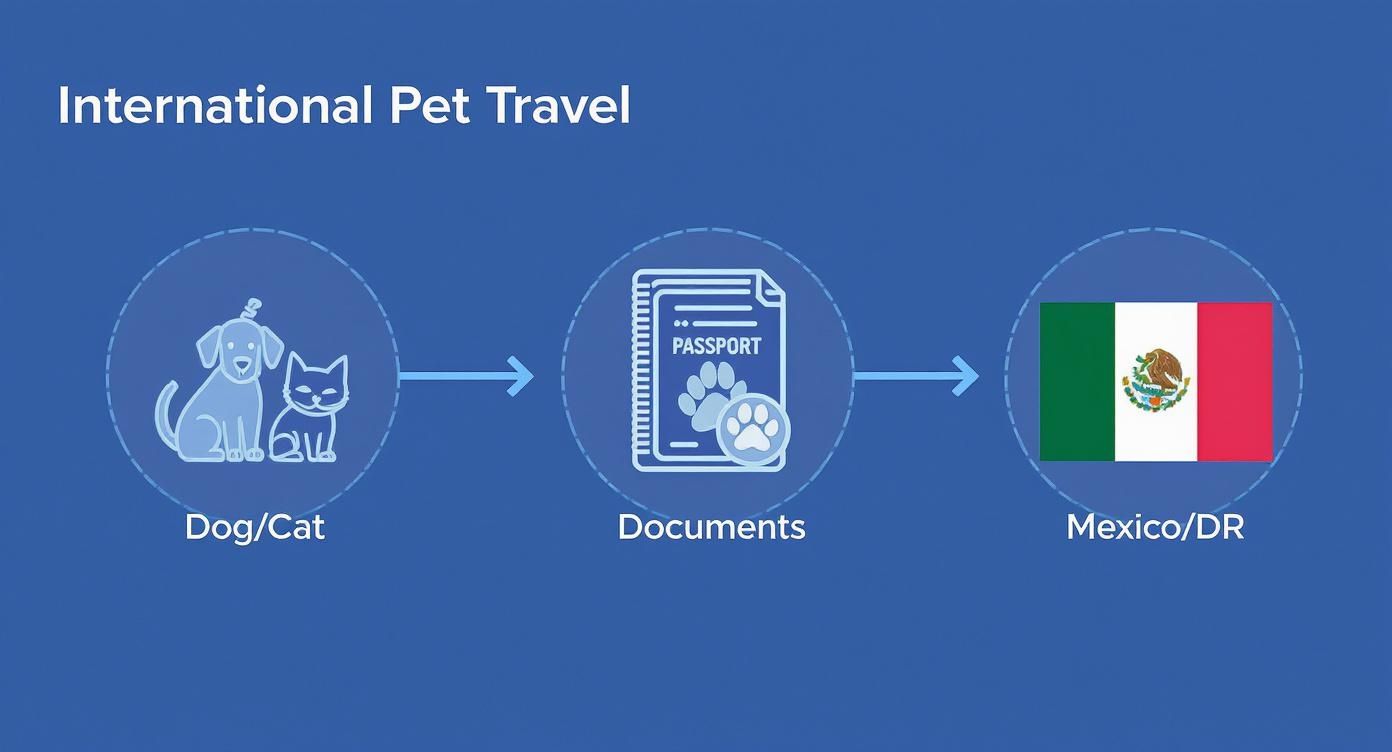
As the guide shows, for international trips on Frontier, only dogs and cats are allowed, and having the right paperwork is your ticket to a smooth border crossing.
Prepping for Your Airport Adventure
With the booking squared away, it’s time to get ready for the journey. A little bit of prep goes a long way in keeping stress levels low for everyone.
Start by packing a small bag just for your pet. This isn't just about the essentials; it’s also for their comfort. Here’s what you might want to include:
A small, collapsible water bowl for a quick drink before the flight.
A familiar blanket or toy with a scent from home to help them feel secure.
A few favorite treats to reward them for being calm and patient.
Puppy pads or liners for the bottom of the carrier, just in case of accidents.
All needed documents, including their health certificate and vaccination records, tucked into an easy-to-reach folder.
Navigating Check-In and Security
On the day of your flight, give yourself plenty of extra time. You won't be able to use a self-service kiosk or check in online when you’re traveling with a pet. You must go to the Frontier Airlines ticket counter.
At the counter, a Frontier agent will:
Confirm your pet’s reservation.
Check the carrier to make sure it meets size requirements.
Review your pet’s health documents (if needed for your destination).
Collect the $99 pet fee for the one-way trip.
After checking in, you’ll head to the TSA security checkpoint. This is where your pet will have to come out of the carrier so the carrier can be x-rayed. You'll carry your pet through the metal detector with you. Having them on a leash is a great idea to make sure they stay safely by your side during this step. Once you’re through, you can place them right back in their carrier.
Finally, when you get to the boarding gate, let the agent know you have a pet with you. They might want to take one last look at your carrier. Once on the plane, simply slide the carrier under the seat in front of you, and you’re all set for takeoff.
Your Top Questions About Frontier's Pet Policy, Answered
Even the most detailed travel plan can leave you with a few last-minute questions. That’s completely normal, especially when you’re getting ready to fly with a four-legged family member. We’ve put together some quick answers to the most common questions we hear from pet owners flying on Frontier.
Think of this as your final pre-flight check. We'll clear up any remaining questions so you can head to the airport feeling confident and prepared.
What Happens If My Pet Is Noisy During the Flight?
This is a big worry for many pet owners, and it's a valid one. Frontier's policy is pretty clear: pets need to be well-behaved and not disruptive to other passengers. If a pet is making a lot of noise, the flight crew might have to step in to make sure everyone has a comfortable flight.
The best approach is to make your pet's carrier a safe and comfortable space. A familiar blanket or a favorite quiet toy can make a world of difference. If you know your pet gets anxious, have a chat with your vet well before your travel date about calming solutions that might help.
Can I Buy an Extra Seat for My Pet?
It might seem like a great idea to give your pet more space, but Frontier doesn't allow passengers to buy a seat next to them for a pet carrier. The rule is firm: your pet's carrier must fit completely under the seat directly in front of you.
Your pet has to stay inside their carrier for the entire flight, with the carrier safely stored under the seat. This is a safety rule for every single passenger traveling with an in-cabin pet.
Are There Seat Restrictions When Flying with a Pet?
Yes, and they’re important to know. For safety reasons, you won't be able to sit in an exit row if you're traveling with a pet. You also can't be seated in the first row of the plane, which is often their Stretch seating.
These rules are in place to keep emergency pathways clear for everyone. You don't have to worry about figuring this out yourself—Frontier will assign you an appropriate seat when you check in with your pet at the ticket counter.
How Does Frontier Define a Service Animal?
Frontier defines a service animal as a dog that has been individually trained to do specific tasks for a person with a disability. This is an important distinction. These highly trained dogs can fly in the cabin at no extra charge and aren't required to be in a carrier.
It's important to remember that emotional support animals (ESAs) are not considered service animals under Frontier's policy. If you travel with an ESA, they will fly under the standard pet policy. This means they must be in an approved carrier, and you'll need to pay the regular pet fee.
Planning pet travel, especially internationally, involves careful attention to health documents. Passpaw makes it easy for veterinary practices to manage and issue international health certificates, ensuring all requirements are met accurately and on time. Simplify your next adventure by visiting https://passpaw.com to learn more.
More articles
From regulatory changes to best practices for veterinarians and pet owners, our resources keep you ahead of the curve.