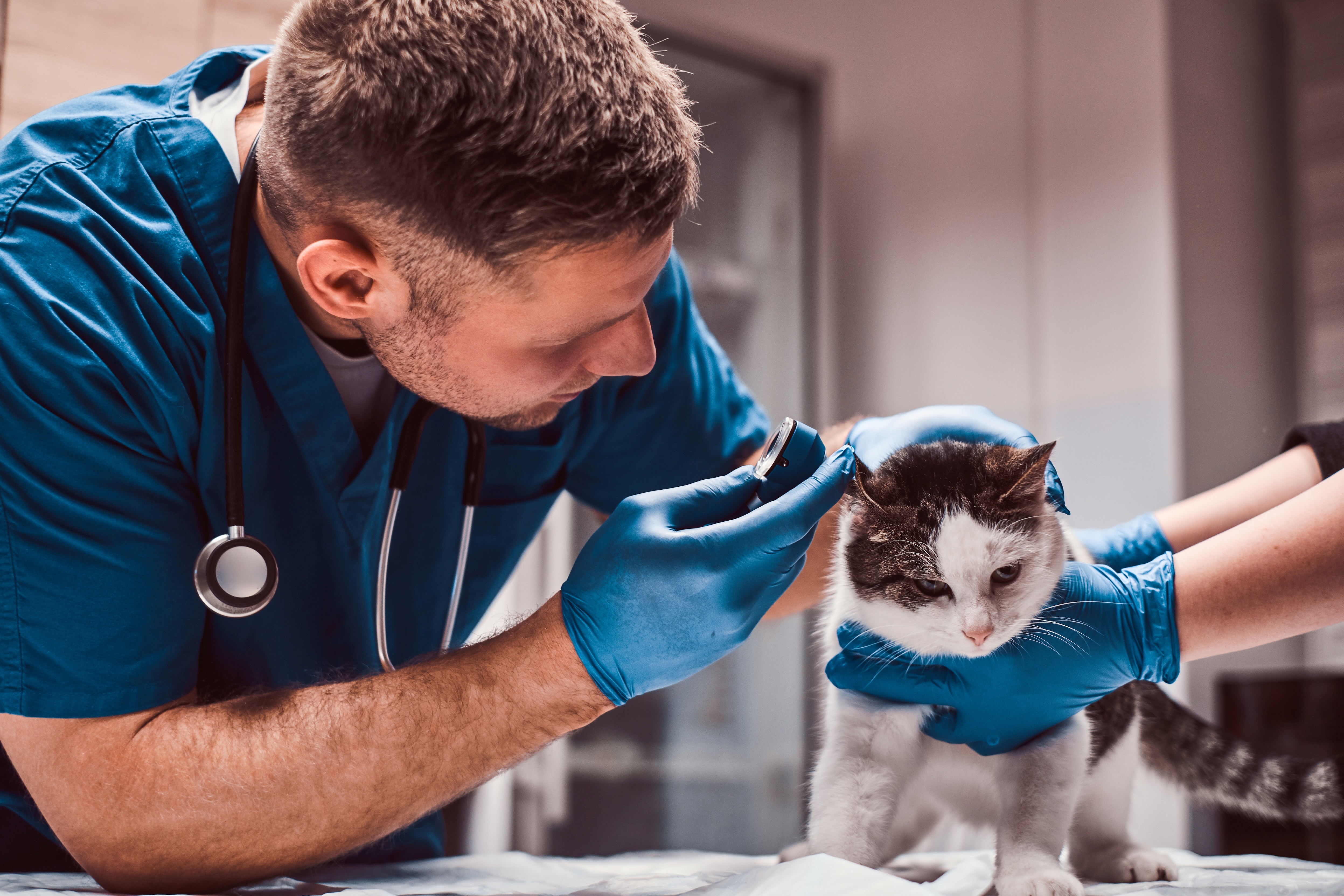
Are you a team member in a veterinary practice?
Are you a pet parent planning a trip with your furry pal?
Your Guide to a Certificate of Health for Pets
So, what exactly is a certificate of health for pets? Think of it as an official document from a licensed veterinarian that gives your pet the green light to travel. It’s the proof you need to show that your furry co-pilot is healthy, up-to-date on their shots, and ready for the journey ahead.
Whether you're flying across the country or moving to a new one, this certificate is your pet's official ticket to ride.
Your Pet's Passport to Adventure
Bringing your pet along for the ride is one of life's great joys, but it all hinges on having the right paperwork. This document, often called a Certificate of Veterinary Inspection (CVI), is far more than just a piece of red tape; it's a key part of responsible pet travel.
The whole point is to protect the health of your pet and the animals at your destination. This focus on safety is a big reason why the pet travel services market is booming—it was valued at $2.4 billion globally in 2024 and is still climbing, according to industry reports from sources like gminsights.com.
What's Actually on a Health Certificate?
A standard certificate of health for pets is a detailed snapshot of your companion's current health. It’s not just a quick note from the vet. It’s a formal record that pulls together several key pieces of information.
Before we dive into the process, let's break down what a typical pet health certificate includes. This table gives you a quick look at the important info a vet will need to complete the form.
Requirement | What It Means | Why It's Needed |
|---|---|---|
Pet Identification | Your pet's name, breed, age, and microchip number. | To uniquely identify your pet and link them to their records. |
Vaccination Records | Proof that all shots, especially rabies, are current. | To prevent the spread of infectious diseases across state or country lines. |
Health Assessment | A vet's official statement confirming your pet is healthy. | To show that your pet is free from contagious diseases and fit for travel. |
This information confirms your pet meets the specific entry requirements for your destination, ensuring a smooth trip.
It's important to know that a health certificate for a single trip is different from a full-blown pet passport. If you're a frequent international traveler, you might want to explore the more permanent option. You can learn more about getting a pet passport for ongoing international travel in our detailed guide.
Now, let's get into the step-by-step process so you can get this done without barking up the wrong tree.
Navigating Domestic And International Pet Travel Rules
Not all trips are created equal. When it comes to your pet’s health certificate, the rules can change a lot depending on your final destination. Knowing which journey you’re prepping for is the key to avoiding any ruff patches along the way.
For most domestic trips within the U.S., the process is pretty simple. You'll usually just need a standard certificate of health for pets from your veterinarian, issued within 10 days of your flight. That's often all it takes to get your furry friend cleared for takeoff.
International travel, however, is a whole different ball game.
Understanding International Requirements
Countries like Australia, New Zealand, and Japan have very strict rules designed to protect their local ecosystems from foreign diseases. And with more people traveling with their pets— 37% of families now bring them along, a 19% increase over the last decade—these health protocols are more important than ever.
This visual guide breaks down the main differences between getting domestic and international pet travel paperwork.
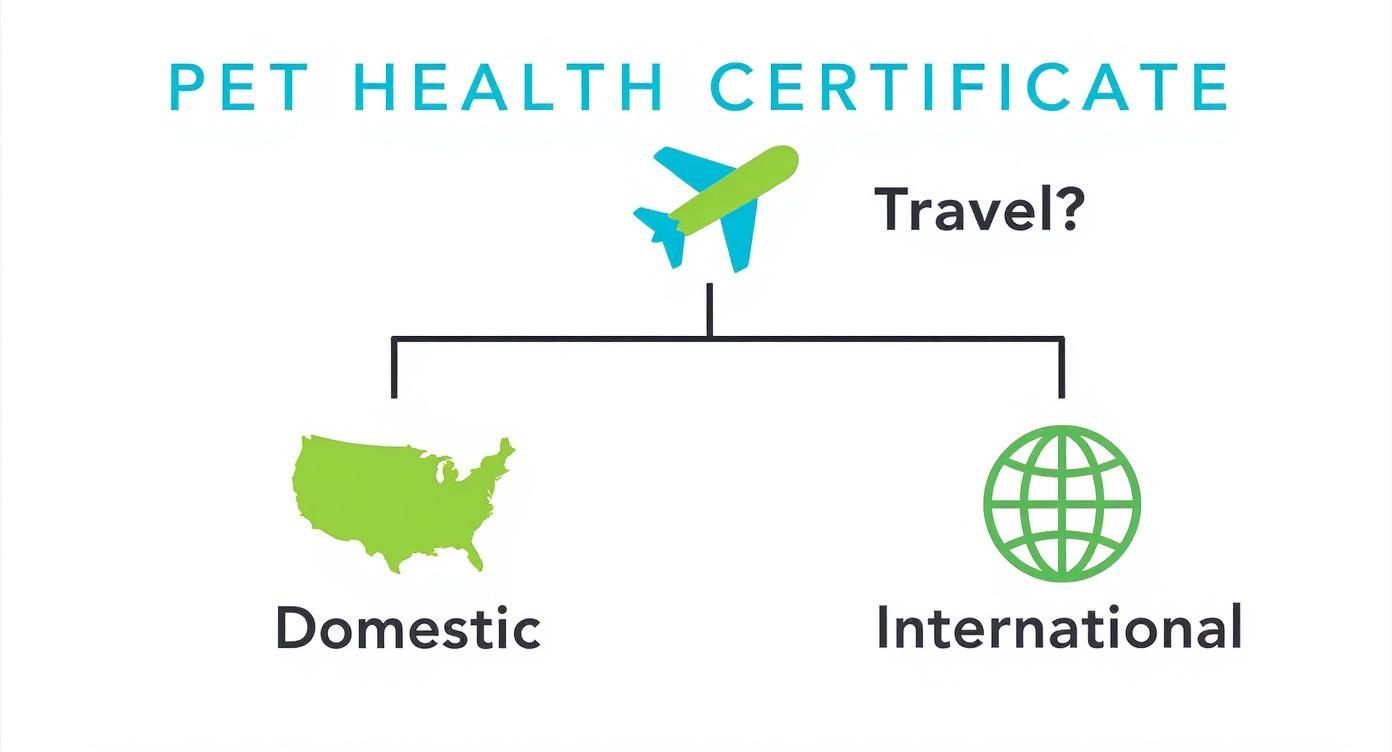
As you can see, the international path involves more steps and official oversight, which is why getting a head start is so important.
For anyone in the U.S. traveling abroad, the main player you need to know is the USDA APHIS (Animal and Plant Health Inspection Service). This is the government agency that may need to endorse your pet’s health certificate after your vet issues it, adding another major step to your timeline.
The most common mistake pet owners make is underestimating the time needed for international travel prep. Some countries require specific blood tests or treatments that must be done months in advance.
Because every country sets its own import rules, you have to do your homework. Researching the specific rules for your destination early on is the best thing you can do to ensure a smooth process. Our pet travel planner can help you map out your timeline and keep all the requirements straight.
The Big Vet Visit: Getting Your Pet Cleared for Takeoff
This is the most important step in the whole process. Getting the official certificate of health for pets depends on this single veterinary exam. This isn't your average annual check-up; it's a specific, detailed assessment to confirm your pet is healthy, properly vaccinated, and ready to meet all the travel rules for your destination.
Timing is everything here. Most airlines and countries require the health certificate to be issued within a very tight window, often just 10 days before you leave. You really should book this appointment ahead of time to avoid any last-minute scrambles.
Coming Prepared: What to Bring to the Appointment
Walking into the vet's office organized will make everyone's life easier and get you out the door faster. We always tell clients to put together a little "go-bag" with all the necessary paperwork.
Here’s a quick checklist of what you'll need:
Your Complete Travel Itinerary: The vet needs to know exactly where you're going and when so they can fill out the forms with the right information.
All Vaccination Records: Your pet's entire vaccination history is important, but the rabies certificate is the one document you can't forget. It's a key requirement for almost all travel.
Any Destination-Specific Forms: If the country you're visiting requires its own special forms, have them printed and ready to go.
Microchip Details: Make sure you have the microchip number handy, along with the date it was put in.
This kind of detailed health screening is becoming standard as more people travel with their pets. It's a booming area—the global market for pet health screening is expected to hit $3,754 million by 2025. This just goes to show how seriously authorities are taking official documentation and health checks. If you're curious about the numbers, you can review the full market research on pet health screening.
Your vet is going to focus on the rabies vaccine; it’s the cornerstone of nearly every pet travel requirement worldwide. Having clear, accurate proof is a must. If you're unsure what counts as proper proof, take a look at our guide on how to get proof of a rabies vaccine for your pet.
Honestly, being organized for this appointment is the best thing you can do to make sure your pet gets the green light for their trip without any headaches.
Getting the Paperwork and Official Endorsements Right
Once your vet gives your pet the all-clear, it's time to tackle the paperwork. This is where being precise is super important. Think of it less like a sprint and more like a final, careful check of every single detail to sidestep any travel-day nightmares.
This part is especially important if you're traveling internationally. For any trip leaving the United States, you can't just go to any vet. They should be USDA-accredited. This special certification means the U.S. Department of Agriculture has authorized them to handle and sign official international health certificates.
The All-Important USDA Endorsement
After your accredited veterinarian fills out all the necessary forms, the documents still aren't travel-ready. They may need one final, official stamp of approval from the USDA’s Animal and Plant Health Inspection Service (APHIS). This is called the endorsement, and for almost every international destination, it’s a required final step.
So, how do you get this done? You have a couple of options:
Go Digital: Most vets can now submit the health certificate online through the USDA's portal. This is usually the quickest and easiest method.
The Mail-In Route: If you prefer, you can mail the physical documents to an APHIS endorsement office. Just remember, this takes longer, so you have to factor in shipping time.
There are government fees for this service, and the cost can vary depending on how complex your destination's rules are. This official review is what makes your pet’s documents valid for entry into another country.
Don’t let a simple typo derail your trip! We've seen it happen. A mismatched microchip number or a wrong travel date can cause issues with the entire certificate. Always review every line with your vet before it gets submitted for endorsement.
Final Checks and Avoiding Common Pitfalls
That final review is your last line of defense. Carefully check that all names, dates, and vaccine details match your pet’s records down to the letter. This tiny bit of extra effort can be the difference between a smooth check-in and a very stressful travel delay.
Nailing the government approval process is the final piece of the puzzle. If you want an even deeper dive into the specifics, our guide on how to get a USDA-endorsed pet health certificate walks you through everything. Getting the paperwork right helps ensure a successful journey for you and your best friend.
Sidestep These Common Pet Travel Blunders
Getting a health certificate for your pet can feel like a maze, but honestly, most of the horror stories you hear come down to just a few common slip-ups. Steering clear of these is the key to a smooth trip and keeping your travel plans from going off the rails.
Let’s get one thing straight: waiting until the last minute is the enemy of pet travel. This isn't something you can knock out the week before your flight, especially if you're heading overseas. The whole process, from scheduling specific vaccines to waiting on blood test results and government sign-offs, can easily stretch into weeks or even months. Don't let a last-minute scramble derail your entire trip.
Don't Assume, Always Verify Destination Rules
Another classic mistake is not digging into the specific rules for your destination. Relying on what a friend did last year or assuming the requirements are the same everywhere is a surefire way to run into trouble.
For instance, the simple health certificate that gets you from California to New York won't get a second glance on a trip to Japan. They have very strict rules around rabies testing and microchips. Your first step should always be checking the official government source for the country you're flying to.
Every destination plays by its own rules. Your friend's easy trip to Canada with their dog is completely different from taking your cat to the European Union. Start fresh with official research every single time.
The Devil is in the Details
Even tiny errors can create massive headaches. When it comes to your pet's health certificate, you have to be extra careful. A single wrong date or a missing signature could cause issues with the whole document.
Here are a few common oversights we see all the time:
Going to the Wrong Vet: For any international travel out of the U.S., the certificate should be signed by a USDA-accredited veterinarian. A signature from a vet without that specific accreditation might not be accepted for crossing borders.
Forgetting to Have a Plan B: Printers break, phones die. Always have both digital and hard copies of every single one of your pet's travel documents, especially the health certificate.
Ignoring the Ticking Clock: Most health certificates have a very short shelf life. They’re often only valid for 10 days leading up to your travel date. If you get the exam done too early, you might find yourself back at the vet's office paying for a second one.
Common Questions About Pet Health Certificates
Even the most organized traveler runs into questions when prepping for a trip with their pet. Getting a certificate of health for pets can feel like a maze of rules, but let's clear up a few of the most common sticking points. This is about more than just paperwork; it’s about ensuring a smooth, stress-free start to your journey.
How Long Is a Pet Health Certificate Good For?
This is one of the most important details to get right. For most domestic trips within the U.S., a health certificate is typically valid for just 10 days from the moment your vet signs it.
International travel is a different beast. The validity period can shrink or change depending on your destination's specific import rules. Always, always double-check the requirements for where you're headed. Getting the timing wrong is one of the top reasons for travel plans going sideways.
Remember, the clock starts ticking the second your vet signs that document. You'll need to plan your vet visit carefully so your certificate is still valid on your actual travel day.
Do I Need a Health Certificate if We’re Driving?
While it’s not always strictly required for crossing state lines in a car, having one is just plain smart. You never know when you'll need it. Many pet-friendly hotels, boarding kennels, or even some agricultural checkpoints at state borders might ask for proof of health and current vaccinations.
It’s far better to have it and not need it than to get caught in a bind without it. Think of it as a small step for some major peace of mind on the road.
What's the Difference Between a Health Certificate and a Pet Passport?
It's easy to mix these up. Think of a standard health certificate as a single-trip visa—it's a one-time document, valid for a specific journey from point A to point B.
A pet passport, on the other hand, is more like the passport in your own travel wallet. The kind used for travel within the European Union, for example, is a detailed booklet that tracks your pet’s entire health history over years, including vaccinations, treatments, and microchip details.
What if There's a Mistake on My Certificate?
An error, even a tiny one, can cause big problems. Something as simple as a misspelled name, a single wrong digit in the microchip number, or an incorrect date could lead to your pet being denied boarding by an airline or refused entry at customs.
It is very important to review every single detail on the certificate with your veterinarian before you leave their office. Double-check it, then check it again.
Planning pet travel can feel like a lot, but Passpaw is here to take the guesswork out of it. Our platform simplifies the entire process of getting an international certificate of health for pets, making sure every detail is right so you can focus on the adventure ahead. Learn more about how Passpaw can help.
More articles
From regulatory changes to best practices for veterinarians and pet owners, our resources keep you ahead of the curve.