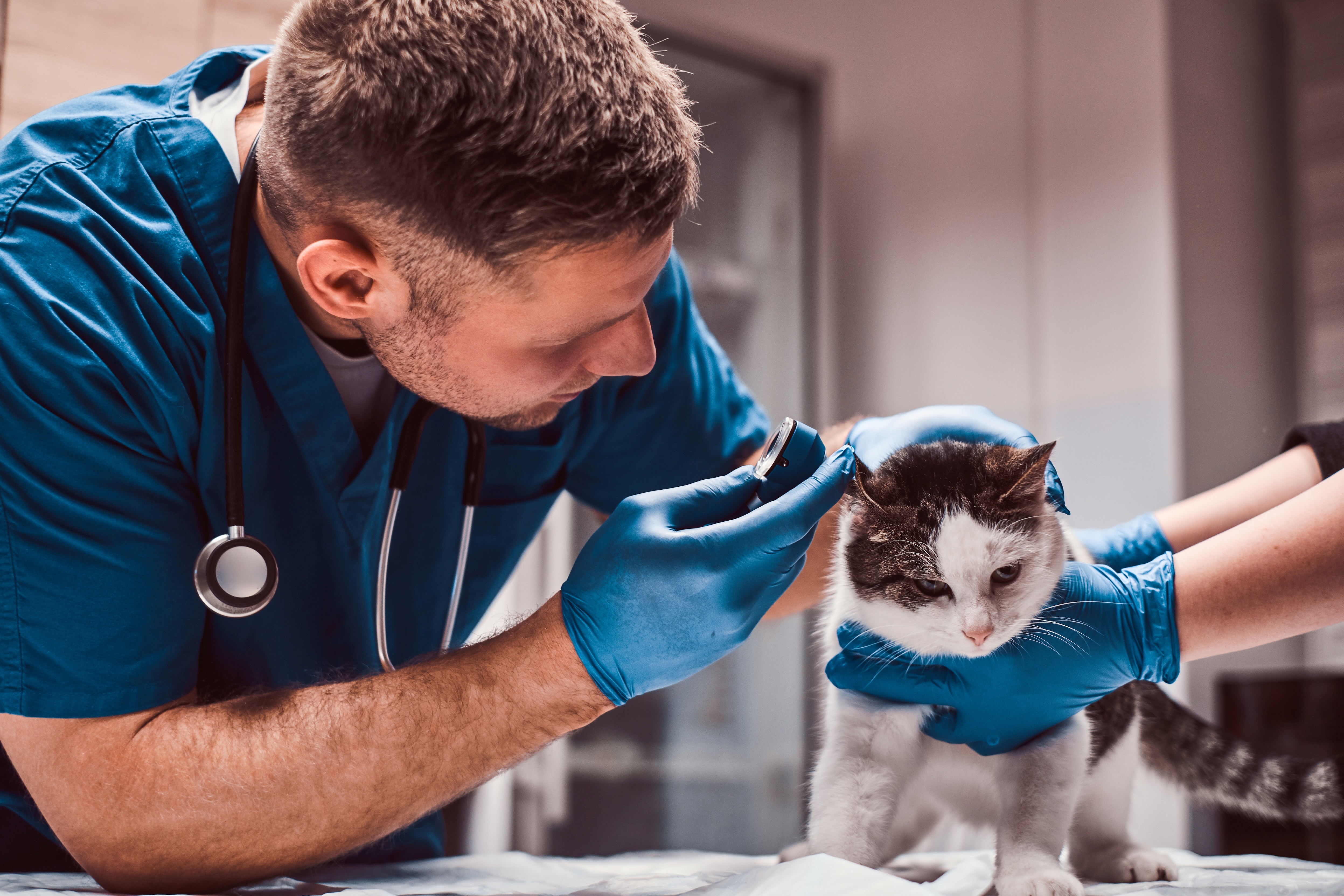
Are you a team member in a veterinary practice?
Are you a pet parent planning a trip with your furry pal?
A Guide to Animal Transport Services
Let's be honest: moving with a pet is a whole different ball game than moving on your own. It's not just about packing boxes and booking a flight. You're dealing with a complex web of rules, paperwork, and logistics that can feel overwhelming. Don't get your tail in a twist—help is available.
This is exactly where professional animal transport services come in. Think of them as your pet’s personal travel agent and logistics manager, all rolled into one. They specialize in safely moving pets from point A to point B, whether that's across the state or halfway around the world.
Decoding the World of Pet Relocation

These pros live and breathe the fine print of animal travel. They stay on top of the latest airline policies, country-specific import rules, and health requirements—things that can change in the blink of an eye. Their job is to manage every detail, ensuring a smooth and safe journey for your furry, feathered, or scaled family member.
And it's a big business for a reason. As of 2025, the U.S. pet transportation industry was pulling in around $2.2 billion in revenue, with over 22,000 businesses dedicated to helping families relocate their companions. That's a lot of people who've decided to trust the experts. For a closer look at the market, you can find more data in industry analyses on ibisworld.com.
Key Players in Your Pet's Journey
Getting your pet from here to there is a team effort. Here’s a quick rundown of who’s involved behind the scenes:
Pet Transport Coordinator: This is your main contact and the mastermind behind the move. They map out the travel plan, handle all the bookings, and keep you in the loop from start to finish.
Accredited Veterinarian: Not just any vet can sign off on travel papers. An accredited vet is authorized to complete and sign official health documents, confirming your pet is fit to travel and meets all the destination's rules. Their signature is a must-have.
Airline Staff: From the cargo crew to the pilots, these folks are specially trained to handle live animals. They make sure your pet is boarded safely and travels in a climate-controlled, pressurized cabin area.
Ground vs. Air: A Tale of Two Journeys
Choosing between ground and air travel really comes down to distance, your pet's specific needs, and your budget.
Ground transportation is often the purr-fect solution for domestic moves. It's especially great for snub-nosed (brachycephalic) breeds that many airlines restrict, or for pets who find the noise of an airport too stressful. It’s a more personal, door-to-door service that can feel less intimidating for anxious animals.
For long-distance domestic trips or any international move, air travel is usually the only practical option. It might seem like a huge undertaking, but it’s the fastest and most efficient way to cover vast distances. Professional transporters work with the most pet-friendly airlines and follow IATA (International Air Transport Association) guidelines for crates and care, making it a surprisingly safe and standardized process.
When you're planning a move, it's helpful to understand the key differences between traveling within your country and crossing international borders. Each comes with its own set of rules and challenges.
Domestic vs. International Pet Transport at a Glance
Consideration | Domestic Travel | International Travel |
|---|---|---|
Paperwork | Simpler; usually just a recent health certificate (CVI). | Complex; often requires international health certificates, import permits, and sometimes government endorsements (like from the USDA). |
Timeline | Can often be arranged in a few days or weeks. | Requires extensive planning, often 3-6 months or more in advance. |
Vaccinations & Tests | Standard vaccinations are usually sufficient (e.g., rabies). | May require specific vaccinations, rabies titer tests, and parasite treatments on a strict schedule. |
Quarantine | Rarely required, except for specific states like Hawaii. | Common for many countries, especially rabies-free nations like Australia or Japan. |
Cost | More affordable; fewer fees and simpler logistics. | Significantly more expensive due to complex paperwork, customs, potential quarantine, and higher flight costs. |
While a domestic move is fairly straightforward, international travel is a different beast entirely. Getting it wrong can lead to your pet being denied entry or stuck in a lengthy, expensive quarantine. This is where planning and expertise really pay off.
How to Choose the Right Pet Transport Partner
Handing your pet over to a stranger for a long journey is a big deal. It’s completely normal to feel protective—after all, this isn't just a package, it's a member of your family. Finding the right animal transport service goes way beyond comparing prices. You're looking for experience, compassion, and a track record you can trust.
This decision is about finding a partner who can handle everything from the mountain of paperwork to unexpected flight delays. The real goal is to find a company that puts your mind at ease and makes your pet’s well-being their top priority. Think of it less like hiring a shipper and more like finding a temporary guardian for your companion.
Credentials That Build Confidence
As you start your research, the first thing to look for is professional credentials. These aren’t just badges for their website; they show a company's commitment to safety, ethics, and high industry standards. Any reputable transporter will be proud to show you their affiliations.
Keep an eye out for two big ones:
IPATA Membership: The International Pet and Animal Transportation Association (IPATA) is the gold standard. Members follow strict ethical guidelines and best practices for animal welfare. Choosing an IPATA member means you're hiring a professional who is part of a global network of trusted shippers.
USDA Registration: For companies operating in the United States, being a USDA-registered animal transporter is important. This indicates they are recognized by the government and follow certain standards for humane handling and transport.
The IPATA website has a directory that's a fantastic place to start looking for accredited members.
Using a resource like this lets you filter for qualified pros in your area, so you can build your shortlist from a pool of already-vetted companies.
Asking the Right Questions
Once you have a shortlist, it's time to dig in. A price quote is more than just a number; it's your first real interaction with the company. Use it as a chance to see how knowledgeable and responsive they are. Don't hold back—ask detailed questions that go beyond the cost.
Instead of just asking, "How much?" try getting more specific:
"What's your experience moving my specific breed, like a Persian cat or a French Bulldog?"
"Can you walk me through your backup plan if there's a flight delay or cancellation?"
"How will you keep me updated during the trip? Do you send photo updates or have GPS tracking?"
"Are your handlers trained to spot signs of stress in animals? What do you do if a pet seems anxious?"
A great transport partner won't just give you a price; they'll offer peace of mind. They should be able to confidently and patiently answer every question you have, showing their expertise and commitment to your pet's safety.
Their answers will tell you a lot about their process and how much they truly care about animal welfare. If their responses feel vague or rushed, that's a major red flag.
Handling Special Cases and Scenarios
No two pets are the same, and a one-size-fits-all approach to transport just doesn't cut it. Your pet might have unique needs that require a specialist's touch, which is another crucial area to discuss with potential transporters.
For instance, if you have a snub-nosed (brachycephalic) breed like a Pug or a British Shorthair, you need a transporter who knows how to navigate the strict airline restrictions for these pets. They'll know which airlines are safest and what the specific crate and timing requirements are.
Likewise, an older pet with a chronic health issue needs extra care. A good transporter will ask for detailed vet records and might suggest ground transport to minimize stress. They'll build a custom travel plan that works around medication schedules to keep your pet as comfortable as possible.
When a potential partner starts asking you these kinds of proactive questions, it’s a great sign you’re in good hands.
Getting Your Pet’s Paperwork and Health Checks in Order
Let's be honest: sorting out the paperwork for your pet’s move can feel more daunting than the trip itself. Every document has a job to do, acting as a passport to show your furry family member meets all the health and safety rules for your destination. Getting this right is a must-have for a smooth, stress-free journey.
This isn't just about ticking boxes. It’s about showing that your pet is healthy and poses no risk to other animals or people. Think of it as a detailed health resume that every airline and country official will review before giving the green light. The process demands a sharp eye for detail and, most critically, perfect timing.
The Core Documents for Any Pet Move
While the specific rules can vary wildly depending on where you're headed, a few key documents are the foundation for nearly every pet relocation. Your first job is to get these sorted.
Vaccination Records: This is the absolute baseline. You'll need an up-to-date record showing all vaccinations, especially for rabies. Make sure the records clearly list the vaccination date, the type of vaccine used, and your veterinarian's signature.
Certificate of Veterinary Inspection (CVI): Often just called a "health certificate," this is issued by an accredited vet after a full exam. It confirms your pet is in good health, free from infectious diseases, and fit to travel. For domestic trips, a standard CVI is usually all you need.
International travel, however, is a whole different ballgame. It almost always requires a specific international health certificate, which can be a tricky document to nail down. For a closer look at what goes into this, check out our detailed guide on the veterinary international health certificate and its unique requirements.
Why You Need a USDA-Accredited Veterinarian
When your travels cross state or international borders, you can't just go to any vet. You specifically need a USDA-accredited veterinarian. These are vets who have completed extra training and are officially authorized by the U.S. Department of Agriculture to sign off on travel documents.
Their signature is the official certification that your pet meets all the necessary federal and international health regulations. Without their endorsement, your pet’s health certificate is basically useless for travel. Your regular vet can tell you if they are accredited or can point you to one who is.
If you bring in a professional shipper, their process usually follows a straightforward path from research to final selection.
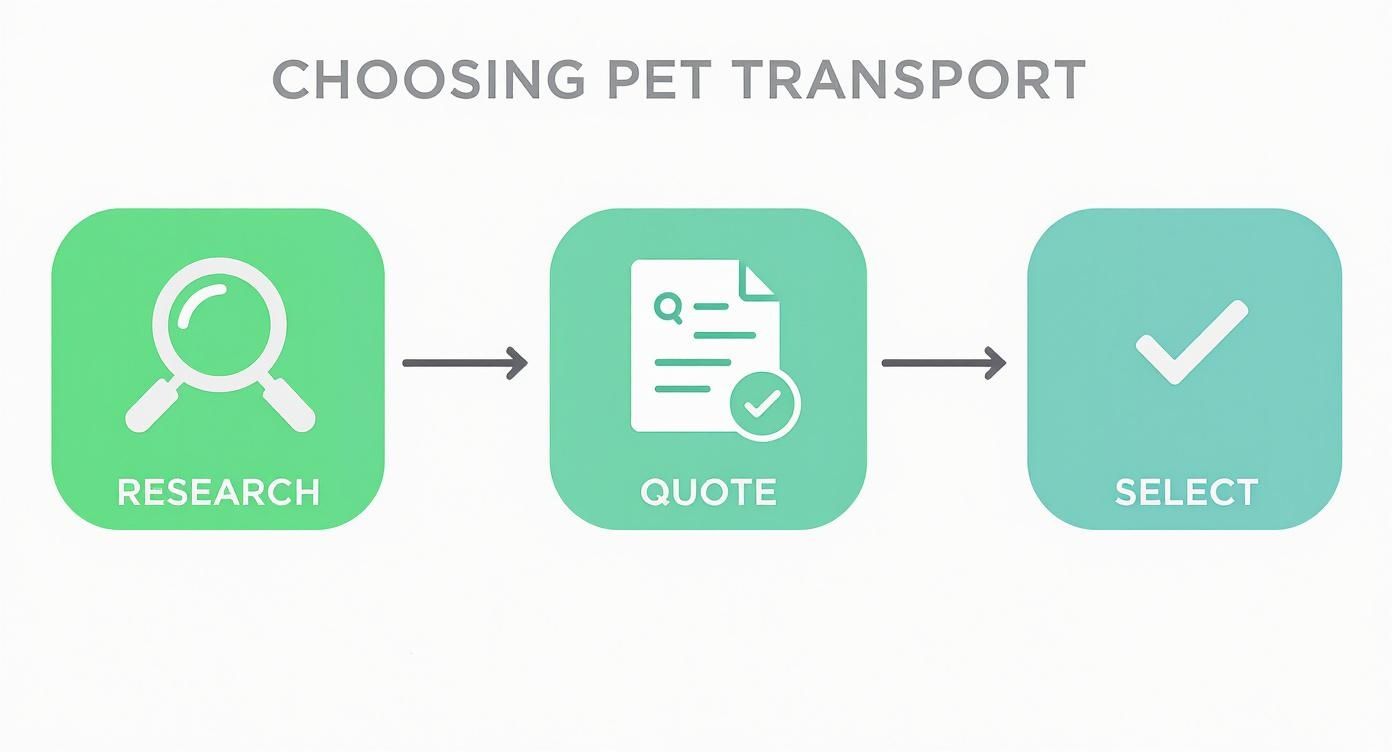
This simple breakdown shows how a methodical approach helps you find the right partner for your pet's big move.
Digging into International Requirements
If you're gearing up for an international move, get ready for a few extra layers of red tape. Every country plays by its own rulebook, and this is where a professional animal transport service can be an absolute lifesaver.
Here are a few common international requirements you might run into:
Import Permit: Many countries insist you apply for and receive an import permit before your pet's journey even starts. This is the official document granting your pet permission to enter.
Government Endorsement: After your accredited vet fills out the health certificate, it often has to be sent to a USDA APHIS office for an official government stamp. This is the final seal of approval that makes it official.
Quarantine Reservations: Some countries—especially island nations like Australia, New Zealand, and Japan—are rabies-free and enforce a mandatory quarantine period on arrival. You'll need to book a spot at an approved facility, sometimes months in advance.
This global demand is part of a much bigger picture. The global animal transportation market was valued at USD 2.38 billion in 2025 and is projected to hit USD 4.7 billion by 2032. This isn't just families relocating; it's driven by everything from the growing dairy industry in Asia-Pacific to the increasing number of people who simply won't move without their pets.
The biggest mistake you can make with pet travel paperwork is underestimating the timelines. Some documents, like health certificates, are only valid for 10 days. Others, like rabies titer tests, must be done at least 30 days after vaccination and often months before you can travel.
Timing Is Everything
The key to avoiding a last-minute panic is staying organized. I always recommend creating a checklist with clear dates and deadlines for every single step.
Beyond the health certificate, some travel paperwork may need to be officially verified. While it's a different context, understanding processes like notarizing a child travel consent form gives you a sense of the kind of formal steps that can be involved in travel documentation. It’s a good reminder of how important official verification is.
Ultimately, tackling the paperwork is a huge piece of the puzzle. Working closely with your vet and an experienced animal transport service ensures every form is filled out correctly, properly endorsed, and ready for a paw-sitively smooth journey.
Preparing Your Pet for a Safe and Comfy Journey
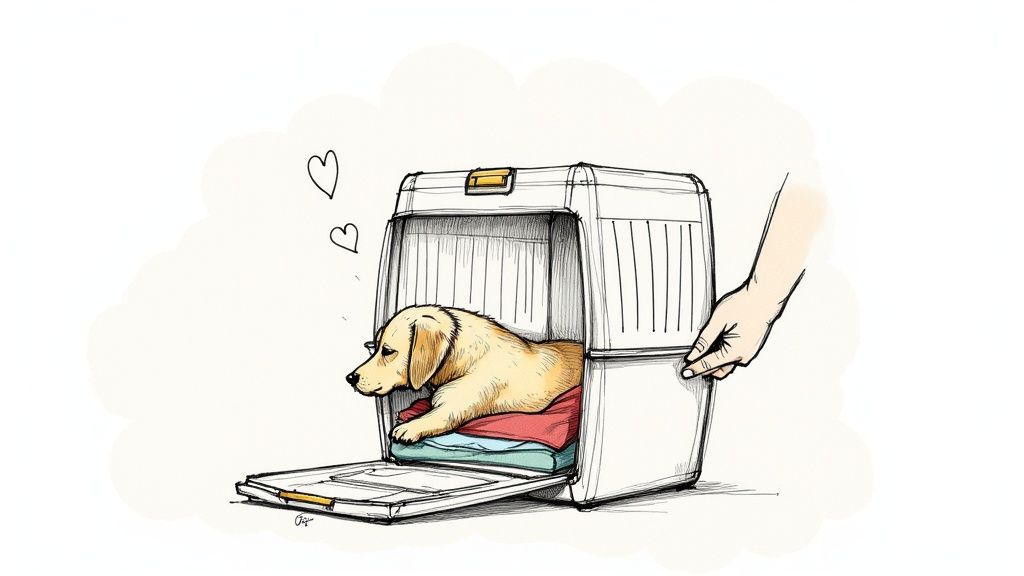
Once the logistics are pinned down and the paperwork is moving, it’s time to shift focus to the most important part of this whole operation: your pet. A successful move isn't just about getting from point A to point B. It’s about making the experience as stress-free as possible.
Proper preparation can turn a potentially scary ordeal into a manageable adventure for your animal. This whole stage is about building familiarity and security. By taking a few key steps well ahead of time, you can help them feel safe and relaxed when travel day finally arrives.
Making the Crate a Happy Place
Think of the travel crate as your pet's private suite for the journey. It's so important they see it as a safe space, not a punishment. The goal is to build a positive association with the crate long before the actual move—a process that makes a world of difference in reducing travel anxiety.
You’ll want to introduce the crate weeks, or even months, before the trip.
Start with an open door. Just place the crate in a common area of your home and let your pet explore it on their own terms. No pressure.
Make it inviting. Toss in their favorite blanket, a comfy bed, and a few high-value toys. This encourages them to wander in voluntarily.
Use positive reinforcement. Start feeding your pet their meals inside the crate with the door open. Once they're comfortable, you can start closing the door for short periods while they eat, gradually increasing the time.
Whatever you do, never use the crate for punishment. It needs to be a place of rest and reward. This conditioning helps your pet feel secure in their little den when they're on the move with an animal transport services provider.
Choosing the Right Travel Crate
Not all crates are created equal, and believe me, airlines have very specific rules. An airline-compliant crate isn't just a suggestion; it's a firm requirement for air travel. These are designed for safety and durability, making sure your pet is secure from takeoff to landing.
When you're shopping for a crate, here’s what to look for:
Sturdy Construction: It should be made of rigid plastic held together with metal nuts and bolts, not flimsy plastic clips that can snap.
Proper Ventilation: The crate must have ventilation on at least three sides to ensure plenty of airflow.
Secure Door: The door has to be metal with a locking mechanism your pet can't pop open.
The Right Size: This is critical. Your pet must be able to stand up, turn around, and lie down comfortably. Measure your pet from the tip of their nose to the base of their tail (for length) and from the floor to the top of their head when standing (for height).
A crate that's too big can be just as dangerous as one that's too small. During turbulence, a pet can be tossed around in an oversized crate, which seriously increases the risk of injury. A snug, properly sized crate offers far more stability and security.
Managing Travel Day Jitters
It’s completely normal for pets to feel anxious on travel day. The key is managing this anxiety without resorting to sedation. In fact, most airlines and veterinarians strongly advise against sedating pets for air travel, as it can dangerously affect their breathing and balance at high altitudes.
Instead, stick to natural calming methods:
Familiar Scents: Place an old t-shirt or a small blanket that smells like you inside the crate. Your scent is incredibly reassuring.
A Good Workout: A long walk or a vigorous play session right before heading to the airport helps burn off excess energy, making it more likely your pet will rest during the trip.
Your Own Demeanor: Pets are experts at picking up on our stress. Stay as calm and positive as you can to help them feel secure.
The world of pet travel is always evolving. For a deeper dive, check out our comprehensive guide on pet travel considerations to make sure you've covered all your bases.
Special Preparations for Different Animals
While dogs and cats are the most common travelers, other animals have their own unique needs. Birds, for instance, need specialized carriers that prevent them from injuring their wings. Exotic pets might require specific temperature controls or extra documentation.
Always discuss these specific needs with your animal transport services provider. They have the experience to handle a wide variety of species and their particular requirements, ensuring your unique companion has a safe and smooth trip.
Understanding Pet Transport Costs and Timelines
Budgeting for your pet’s big move can feel like trying to hit a moving target. The final price isn't a single flat fee; it's a combination of several factors that all add up. Getting a handle on these variables early on is the best way to plan your budget and avoid any "ruff" surprises later.
A few core elements will always drive the cost of animal transport services. The biggest ones are the travel distance, the mode of transport (ground vs. air), your pet's size and weight (which dictates their crate size), and the specific import rules of your destination. It's a lot like booking your own flight—a quick domestic trip has a completely different price tag than a long-haul international journey.
Breaking Down the Core Costs
When you get a quote from a professional shipper, it typically bundles several key services together. While every move has its own quirks, you can expect most plans to include:
Transportation Fees: This is the big one—either the airline's cargo fees or the cost of a private, climate-controlled vehicle for ground transport.
Professional Handling: This covers the logistics managed by the transport coordinators. Think of it as their fee for handling all the bookings, coordination, and pickup/delivery services.
Travel Crate: A high-quality, airline-compliant crate is a must for safety, and its cost is usually rolled into the total package.
Beyond these basics, other expenses can and do pop up, especially for international moves. It’s smart to create a buffer in your budget for these potential add-ons to get a true financial picture. For a deeper dive, check out our detailed guide to pet transportation costs, which has more specific examples and tips.
To give you a clearer idea, here’s an example of how costs might break down for an international move.
Sample Pet Relocation Cost Factors
An example breakdown of potential costs for a medium-sized dog's international move from the USA to the UK.
Service / Fee | Estimated Cost Range (USD) |
|---|---|
Air Cargo & Airline Fees | $1,200 – $2,500 |
Professional Pet Shipper Fee | $1,000 – $2,000 |
IATA-Compliant Travel Crate | $150 – $300 |
Veterinary Health Certificate & Prep | $300 – $600 |
USDA Endorsement | $150 – $250 |
Customs Clearance & Broker Fee | $400 – $800 |
Ground Transport (to/from airport) | $200 – $500 |
Import Permit & Misc. Fees | $100 – $300 |
Total Estimated Range | $3,500 – $7,250 |
Keep in mind, these are just estimates. Your actual costs will vary based on your specific situation, but this table highlights how quickly the different pieces add up.
Other Potential Expenses to Consider
Don't let hidden fees catch you by surprise. Here are a few other line items that might find their way into your pet’s relocation budget:
Veterinary Visits: This covers the health check-up, necessary vaccinations, and any specific lab work, like a rabies titer test.
Paperwork and Endorsements: Fees for import permits, health certificate endorsements from government agencies (like the USDA), and other official documents can add up fast.
Customs Clearance and Airport Fees: When your pet lands in a new country, there are often fees for clearing customs and for handling at the airport's animal reception center.
Quarantine Stays: If your destination requires a quarantine period, you'll need to foot the bill for boarding at a government-approved facility.
This demand for specialized services is part of a much bigger picture. The global pet travel services market was valued at USD 2.4 billion in 2024 and is projected to more than double by 2034. This growth is fueled by owners who see their pets as family and won't compromise on their safe passage.
Planning Your Timeline
Just as critical as the cost is the timeline. Rushing this process is a surefire recipe for stress and costly mistakes. Giving yourself a generous runway is the kindest thing you can do for your pet and your own sanity.
For domestic moves, you can usually pull everything together within one to two months. The paperwork is far simpler, and the logistics are more straightforward.
International moves, however, are a completely different ballgame. You need to think much, much further ahead.
It's highly recommended to start the planning process six to twelve months before your travel date. This generous timeline allows for multi-step vet appointments, lengthy import permit applications, and potential quarantine bookings that fill up fast.
This long lead time isn’t just a friendly suggestion—it’s often a hard requirement. Some countries have mandatory waiting periods after certain blood tests or vaccinations that can last for months. Starting early means you can hit every deadline without that last-minute panic.
And for ground transport, remember that the vehicle and its contents are valuable. It's helpful to understand the financial protections in place, like motor truck cargo insurance, which is designed to protect precious cargo—including your pet—while on the road.
Your Animal Transport Questions, Answered
Even the most organized pet owner has questions when it comes to planning a move. It's completely normal. Entrusting your furry family member to an animal transport service is a big step, and you deserve to feel confident about it.
Think of this as a final run-through of the details. We'll cover the practicalities and the "what-ifs" that might be on your mind, making sure you feel ready for your pet's big travel day.
How Far in Advance Should I Book Pet Transport?
This is easily one of the most important questions, and the honest answer is: it depends entirely on where you're going. But the golden rule is always the same—book as early as you possibly can. Trying to rush this process is a surefire way to invite stress and costly mistakes.
A domestic move is a bit more forgiving.
Ideal Timeline: Give yourself at least 4 to 8 weeks of lead time.
Why it Matters: This window gives you enough breathing room to coordinate with the transporter, schedule that final vet visit for the health certificate, and get your pet used to their travel crate without feeling frantic.
But an international move? That’s a whole different ballgame. The logistics and paperwork are significantly more involved.
Ideal Timeline: You really need to start planning 6 to 12 months ahead of your move.
Why it Matters: Many countries have strict requirements, like rabies titer blood tests, that must be completed months in advance. You'll also be dealing with import permits and sometimes even booking quarantine facilities, which can fill up fast.
Rushing an international pet move is next to impossible. Many countries enforce strict waiting periods after certain vaccinations or tests, and these timelines are non-negotiable. Starting early isn't a suggestion—it's often a necessity.
Will My Pet Be Safe and Comfortable?
Without a doubt. Reputable animal transport services are run by professionals whose entire job is to prioritize your pet's safety and comfort. They are trained to handle animals with compassion and expertise every step of the way.
When traveling by air, pets are not just tossed in with the suitcases. They fly in a dedicated compartment that is pressurized, climate-controlled, and dimly lit to create a calm environment. For ground transport, the vehicles are also climate-controlled and designed with secure systems to keep travel crates stable. Drivers make frequent stops for water and potty breaks to keep everyone comfortable.
Can I Put Toys or Bedding in the Crate?
Yes, but there are a few important rules to follow. While familiar items can be a huge source of comfort, the primary concern is always safety. The idea is to make the crate feel like a cozy den, not a cluttered space with potential hazards.
Here’s a quick guide to what’s usually allowed:
Bedding: A thin, familiar blanket or an old t-shirt that smells like you is a great choice. You’ll want to avoid bulky, plush beds that could reduce airflow or become a suffocation risk.
Toys: One or two durable, hard rubber toys (think Kongs) are generally okay. Steer clear of rope toys, soft plushies, or anything your pet could easily tear apart and turn into a choking hazard.
Always, always double-check with your specific transport company. They'll know the exact regulations for the airline or ground service you're using. Some carriers are extremely strict, so it’s a question you definitely want to ask before packing the crate.
Feeling the pressure of paperwork and strict timelines? Passpaw was built to take the guesswork out of the process. Our platform helps veterinarians and pet owners manage international health certificates, making sure every single requirement is met on time. From automated checklists to real-time document validation, we make complex pet travel feel straightforward. To see how we can simplify your pet's upcoming move, learn more at https://passpaw.com.
More articles
From regulatory changes to best practices for veterinarians and pet owners, our resources keep you ahead of the curve.