Are you a team member in a veterinary practice?
Are you a pet parent planning a trip with your furry pal?
Alaska Airlines Dog Travel: A Pet Parent's Guide
Flying with your dog is a big decision, and the airline you choose can make or break the entire experience. When it comes to alaska airlines dog travel, there's a reason so many pet owners breathe a sigh of relief. The airline has built a solid reputation for handling furry family members with the care they deserve.
Why Pet Parents Trust Alaska Airlines
Choosing an airline for your four-legged friend often comes with a wave of anxiety. You’re putting a member of your family in someone else’s hands, and you need to be sure they’re safe and comfortable. For thousands of pet parents, Alaska Airlines has become a trusted choice, offering a sense of security that goes beyond just reading a policy online.
This isn't just a feeling; it's backed by a consistent track record. Alaska Airlines has long been one of the most popular choices for pet travel in the United States. In fact, between January 2015 and December 2020, the airline safely flew over 730,000 animals—the highest number among all U.S. carriers during that period.
A Culture of Care and Safety
What really sets an airline apart is its culture. With Alaska, many travelers mention a genuine sense of care from the staff, from the person on the phone to the crew at the gate. It's this commitment to animal welfare that really helps calm the nerves.
Here are a few reasons why pet parents feel at ease:
No Guesswork: The airline provides clear, detailed guidelines, so you know exactly what to expect before you even book.
Experienced Staff: Many employees are trained to handle animals and understand the specific needs of pets, whether they're in the cabin with you or in the climate-controlled cargo hold.
A Proven History: Their history of safely transporting so many pets speaks for itself.
By putting the well-being of animal passengers first, Alaska Airlines helps turn what could be a stressful ordeal into a smooth and manageable trip. This focus on safety makes them a trusted partner for your dog's journey.
It's always a good idea to see how different airlines stack up. For example, you can compare their approach with our guide on the Delta pet travel policy to understand what makes each unique.
This guide will walk you through everything you need to know for planning your alaska airlines dog travel, making the process paws-itively simple.
In-Cabin vs. Cargo: A Guide to Your Dog's Ticket
Deciding where your dog will travel on the plane—right at your feet or safely in the climate-controlled cargo hold—is one of the biggest choices you'll make. The best option for your Alaska Airlines dog travel depends on your dog's size, breed, and comfort level.
Let's break down the two main choices to see which ticket is the perfect fit for your furry co-pilot.
For many small dog owners, flying in the cabin is the obvious choice. It offers peace of mind knowing your companion is right there with you. Keep in mind, though, that space is limited. Your dog must be small enough to fit comfortably in a carrier that slides completely under the seat in front of you.
Alternatively, the checked pet program allows larger dogs to fly in a pressurized, temperature-controlled compartment. This area is separate from luggage and is designed for the safety of animal passengers. It's often the only option for dogs who are too big to join you in the cabin.
Flying with Your Dog in the Cabin
Bringing your dog into the main cabin means they’ll count as your personal carry-on item. They must remain inside their approved carrier for the entire flight, which includes waiting at the gate and during boarding. This isn't just a suggestion; it's a firm rule for the safety and comfort of everyone on board.
Alaska Airlines is known for its straightforward and affordable in-cabin pet policy. The airline allows dogs in the main cabin for a $100 fee per carrier, each way. That's one of the more competitive rates you'll find among major U.S. carriers.
Better yet, if you have two very small pups of the same species, they can often share one carrier, making the trip even more cost-effective.
In-Cabin vs. Checked Pet Travel at a Glance
Choosing the right travel method can feel like a big decision, but it really comes down to a few key differences. To make things simpler, here is a quick comparison to help you see the options side-by-side.
Feature | In-Cabin Pet | Checked Pet (Cargo) |
|---|---|---|
Dog Size | Small enough to fit in a carrier under the seat | Medium to large breeds |
Carrier Type | Soft-sided carrier recommended | Hard-sided, secure crate required |
Breed Rules | Most breeds allowed if they meet size limits | Some short-nosed breeds may be restricted |
Supervision | You are with your dog the entire flight | Airline staff monitor the climate-controlled hold |
Regardless of which option you choose, the right carrier is key—it's your dog's personal space for the entire flight. For those flying in the cabin, a soft-sided carrier is usually best. If you need more guidance, you can check out our deep dive on selecting the right airline travel pet carrier.
Ultimately, whether your dog travels in the cabin or as a checked pet, the goal is a safe and low-stress journey. By looking at your dog's specific needs and Alaska's clear policies, you can make a confident and informed decision.
How to Book Your Dog's Flight the Right Way
Securing your dog's spot on an Alaska Airlines flight isn't as simple as clicking "add pet" during your online booking. It’s a separate, crucial step, and getting it right from the start is the key to avoiding travel stress.
This brings us to the single most important rule of Alaska Airlines dog travel: you should call Alaska Airlines Reservations to confirm pet space before you book your own ticket. Flights have a very limited number of spots for pets—sometimes just one or two in first class and a handful in the main cabin—and they fill up fast, especially on popular routes.
Calling first helps ensure there's room for your pup before you lock in your own travel plans.
Making the Call to Alaska Airlines
When you pick up the phone, have all your details ready to go. This will make the conversation quick and successful.
Your Desired Flight Info: Know the exact flight numbers, dates, and times you're aiming for.
Your Dog's Details: Be prepared to share your dog's breed and their combined weight (dog + carrier).
Carrier Dimensions: Have the length, width, and height of your pet's travel carrier on hand. The agent needs to confirm it meets the under-seat requirements for that specific aircraft.
Once the agent confirms a spot is available, you can book your ticket and your dog's reservation in the same phone call. This is the most straightforward way to handle the whole thing.
Pro Tip: Book as far in advance as you can. Pet spots are first-come, first-served. Waiting until the last minute can lead to disappointment, especially during holidays or peak travel seasons.
What If You Already Booked Your Ticket?
Okay, so you jumped the gun and already bought your ticket. Don't panic, but you do need to act fast. You can still call Alaska Airlines Reservations to add a pet to your existing booking.
If the pet spots on your flight are already full, you might have to change your flight, which could come with change fees and a fare difference. This is why calling first is a good strategy—it may save you the headache and extra cost of rearranging everything.
For anyone new to booking flights, getting a handle on general online air ticket booking procedures can make the whole process feel less intimidating.
After your pet is successfully added to your reservation, you'll need to pay the pet fee. You can usually do this over the phone with the agent or handle it at the airport check-in counter on your travel day. Remember, the fee is charged per carrier, each way.
Getting these logistics sorted out early is a huge win. To make sure nothing falls through the cracks, it helps to keep all your details organized in one place with a good pet travel planner.
Choosing the Right Crate for Your Dog's Comfort
Think of your dog's travel carrier as their personal suite in the sky, not just a box. Getting this choice right is very important for a safe and comfortable trip. The rules for Alaska Airlines dog travel are specific, but they’re all there for your pet’s well-being.
Whether your dog is small enough to join you in the cabin or will be traveling in the climate-controlled cargo hold, the carrier has to be secure, well-ventilated, and sized correctly. It’s the single most important piece of gear for their journey.
Sizing Up Your In-Cabin Carrier
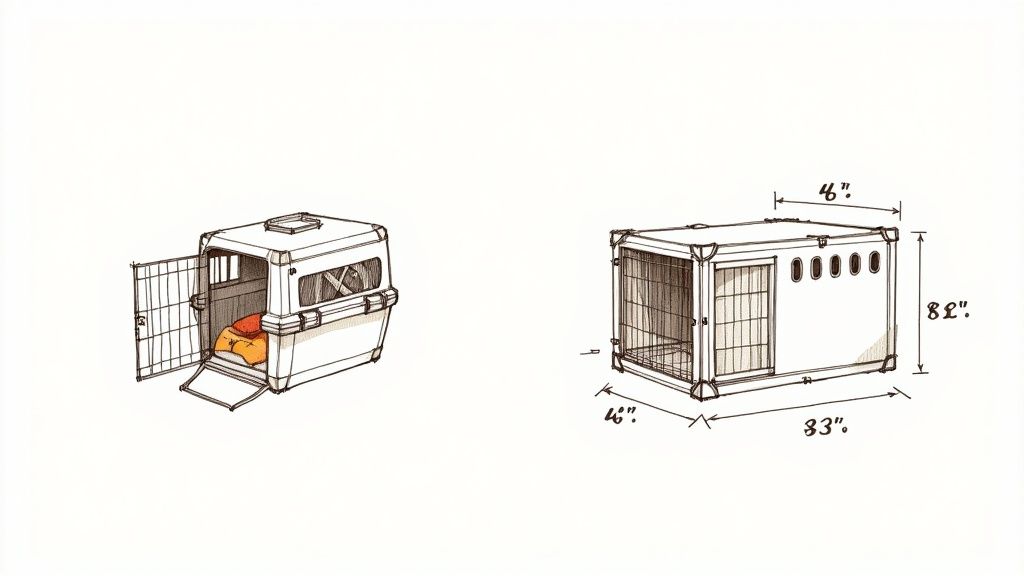
For little dogs flying in the cabin with you, a soft-sided carrier is almost always the best bet. They have a little give, which makes sliding them under the seat much easier. Alaska Airlines permits soft-sided carriers up to 17" L x 11" W x 9.5" H.
But the tape measure only tells half the story. The most important rule is about your dog's comfort. They should be able to stand up and turn around inside the carrier without being hunched over. This ensures they have enough room and aren't stuck in one position for the entire flight.
Requirements for Hard-Sided Cargo Crates
If your dog is flying as a checked pet in the cargo hold, the safety requirements for their crate are much more specific. You’ll need a hard-sided plastic crate with a sturdy metal door.
Here’s what Alaska Airlines suggests for cargo crates:
Solid Construction: The crate should be made of rigid plastic, with the top and bottom halves secured by metal bolts and nuts. Crates held together with plastic side latches may not be allowed.
Proper Ventilation: It needs ventilation on at least two sides, though having it on all four sides is better for airflow and your dog's comfort.
Leak-Proof Bottom: The floor of the crate must be solid and leak-proof. We recommend lining it with an absorbent puppy pad and a familiar blanket to make it cozier.
Secure Door: The door has to be made of metal and lock securely to prevent any possibility of it being pushed open during transit.
Remember, the goal is to create a safe den, not a cage. A dog who feels secure in their crate will have a much calmer travel experience. Getting this right is a huge part of setting your dog up for a paws-itive travel day.
Making the Crate a Happy Place
Just buying the right crate isn't enough. Your dog needs to see it as a safe space, and that training should start weeks before your flight—not the night before you leave. The idea is to build a positive association with the carrier.
Start by leaving the crate in your living room with the door open. Casually toss high-value treats or a favorite toy inside. You can even feed your dog their meals in there. This simple step helps them understand that the crate is where good things happen.
Once they're comfortable going in and out, you can start closing the door for short periods. Adding a familiar blanket or an old t-shirt that smells like you can also make the space feel much more comforting. This process turns a scary box into a cozy, mobile den. A dog who is already comfortable in their crate will travel with far less stress.
Getting Your Dog's Health and Travel Paperwork in Order
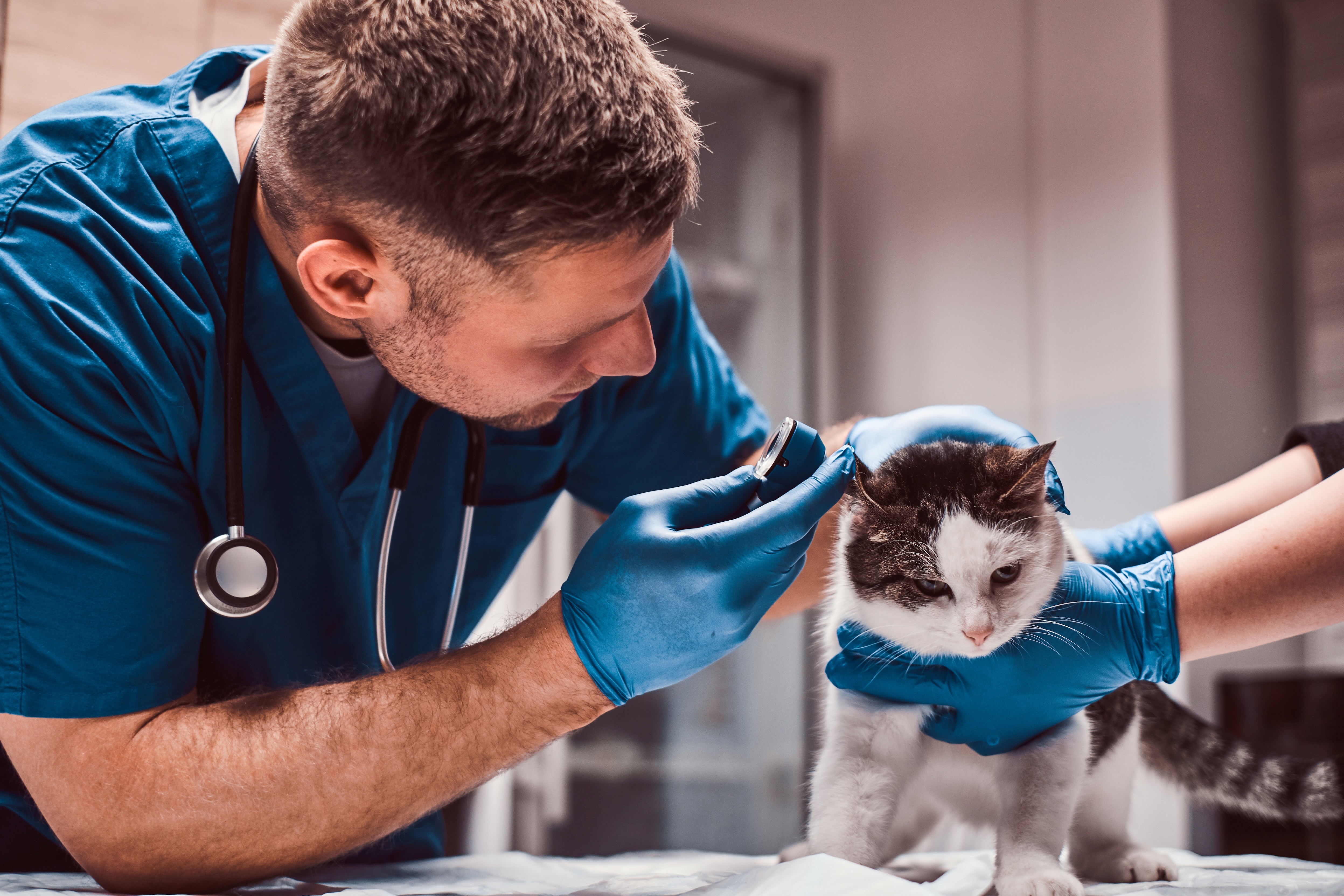
Let's talk about the paperwork. While it might feel like a chore, getting your dog's documents squared away is one of the most important steps for a hassle-free trip. For most domestic flights, Alaska Airlines will ask to see a health certificate from a licensed veterinarian. This is proof that your dog is healthy enough for air travel and up-to-date on their shots.
Don't leave this until the last minute, but don't do it too early, either. The health certificate, sometimes called a Certificate of Veterinary Inspection (CVI), has an expiration date. For many U.S. destinations, it needs to be issued within 10 days of your flight.
The Timing Is Everything
That 10-day window is common for domestic flights, but it's not a universal rule. The key is to check the specific entry requirements for your destination state. Some states have their own rules that could change the timeline or require extra forms.
Getting the dates wrong is a common mistake that can cause a major headache at the check-in desk. It's a detail you'll want to get right.
Think of the health certificate as your dog's ticket to ride. It’s the airline's assurance that your pet is fit for the friendly skies. Nail this part, and you're setting yourself up for a smooth start to your journey.
When Travel Gets a Little More Complicated
Flying to Hawaii or another country? That's a whole different ballgame. These destinations have very strict rules to protect their local ecosystems and prevent the spread of diseases.
Hawaii: The state has a strict rabies quarantine program. You'll need to get the ball rolling months ahead of time to handle all the required blood tests, vaccinations, and specific forms to qualify for direct airport release.
International Travel: Every country has its own rulebook. You might encounter specific microchip standards, unique vaccine requirements, import permits, and bilingual health certificates that need an official stamp from the USDA.
These trips require serious planning and working closely with your vet. It can feel overwhelming, but you're not on your own. For a deeper dive into what's involved, check out our complete guide on the pet health certificate for travel.
Today, many vet clinics use software to manage these complex travel documents, which helps reduce human error and ensures everything is filled out correctly for your specific destination. It's always a good idea to ask your vet if they have tools that can make this process easier for everyone.
Your Travel Day Checklist for a Smooth Trip
The big day is finally here. With a little prep work, getting through the airport with your dog can be surprisingly painless. This final checklist will help you make the travel day as low-stress as possible for both of you. Getting organized before you even leave the house is the key to a smooth journey from the curb to your gate.
Your main focus should be on timing, your dog's comfort, and keeping essential items within easy reach. A well-packed bag and a clear game plan can turn what feels like chaos into calm confidence.
Before You Leave for the Airport
Getting the morning routine right can make a huge difference in your dog's comfort level. It is a good idea to avoid large meals or too much water right before heading out, as it can lead to an upset stomach or the need for a potty break at a bad time.
A small meal about four hours before your flight is a good rule of thumb. Also, make sure to take your dog for a long walk or have a good play session. A tired dog is almost always a calmer traveler. It's the perfect way to burn off any nervous energy—both yours and theirs!
Navigating Airport Check-In and Security
Plan to get to the airport at least two hours before your flight. You have to check in with your dog at the main ticket counter—you can't use a curbside kiosk when you're traveling with a pet. This is where an Alaska Airlines agent will look over your dog’s health certificate and confirm their spot on the flight.
Here’s a quick rundown of what to expect as you make your way through the airport:
Check-In: An agent will check your pet's carrier to make sure it meets all the requirements. They’ll also collect the pet fee if you haven't already paid it.
Security Screening: This part can be a little hectic. You will need to take your dog out of their carrier. You’ll walk through the metal detector holding your dog while the empty carrier goes through the X-ray scanner with your other carry-on bags.
Find a Pet Relief Area: As soon as you're through security, find the nearest pet relief station for one last potty break before heading to your gate. Most major airports have them clearly marked on their maps.
Travel Day Tip: Pack a small, dedicated bag just for your dog. We recommend including a collapsible water bowl, a few familiar treats, a leash for the security checkpoint, and a favorite quiet toy. Having everything in one spot saves you from digging through your own carry-on in a hurry.
At the Gate and Boarding
Once you get to the gate, try to find a quiet spot away from the main hustle and bustle. Your dog has to stay completely inside their carrier while you're in the gate area and during the boarding process. This is a strict rule, so resist the urge to let them poke their head out, no matter how cute they look.
When it's time to board, you'll place the carrier securely under the seat in front of you. All this careful prep work helps ensure your Alaska Airlines dog travel experience is a good one, letting you finally sit back, relax, and get ready for takeoff.
Answering Your Lingering Questions About Flying with Your Dog
Even the most prepared traveler has a few last-minute questions. It’s completely normal. Let’s tackle some of the most common things pet parents ask when getting ready to fly with their dog on Alaska Airlines.
Think of this as a final check-in for your peace of mind.
Can I Bring Two of My Small Dogs in the Same Carrier?
Great question, and often, the answer is yes! Alaska Airlines is pretty accommodating here. You can typically have two pets of the same species and similar size travel together in a single carrier in the cabin.
The most important rule is that they both have to be comfortable—with enough room to stand up and turn around without being cramped. The best part? You'll only pay one pet fee for the carrier. It's always a good idea to give the reservations line a quick call just to confirm when you book their spot.
What Happens if Our Flight Gets Delayed or Cancelled?
Flight disruptions are a headache for everyone, but they’re especially stressful when you have a pet with you. Alaska has procedures in place to handle this. If your dog is checked as a pet in the cargo hold, the airline's ground crew is responsible for their care. They'll be moved to a safe, climate-controlled area and given water until you're back on track.
For dogs traveling in the cabin with you, their care is your responsibility during the delay. This is why it helps to pack some extra food, a water bowl, and have a game plan for potty breaks. Many airports now have pet relief areas, so it's worth locating them ahead of time.
Are There Any Dog Breeds That Aren't Allowed to Fly?
For safety reasons, yes. Alaska Airlines, like many carriers, has some restrictions on short-nosed or "flat-faced" breeds traveling in the cargo hold. This includes dogs like Pugs, French Bulldogs, Boston Terriers, and some Mastiffs. Their unique facial structure can sometimes lead to breathing difficulties at high altitudes and under stress.
However, this doesn't mean they can't fly at all. These breeds can often still travel in the cabin right under your seat, as long as they and their carrier meet the size requirements. Before you book anything, you should check the official Alaska Airlines website for the most current list of restricted breeds.
Sorting out travel paperwork can feel like a maze, but you don't have to navigate it alone. Passpaw is a platform designed to help your veterinarian prepare and manage all the required health certificates, making sure every detail is correct for your specific destination. You can learn more about how it works at https://passpaw.com.
More articles
From regulatory changes to best practices for veterinarians and pet owners, our resources keep you ahead of the curve.